
Morning Fitness Walk
Join docent Lisa Gaquin for a brisk morning walk along the inside perimeter of the Arboretum. This walk will be fast-paced, energetic, and will involve walking over hills and rough terrain.
Exhibits

Guided Tours
Plan Your Visit
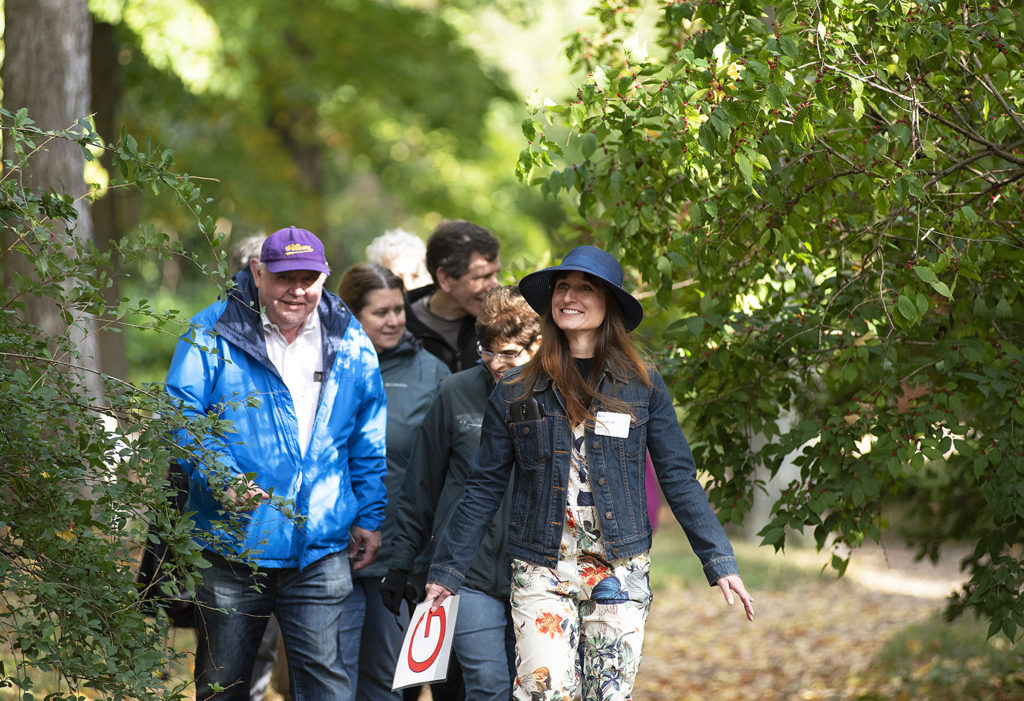
Join docent Lisa Gaquin for a brisk morning walk along the inside perimeter of the Arboretum. This walk will be fast-paced, energetic, and will involve walking over hills and rough terrain.

Join Manager of Adult Programming and Events Sarah Nechamen for a deep dive into the strangest parts of the plant world. This month’s theme is mutualisms and symbioses: from plants that recruit ant armies to defend against herbivores, to mycorrhizal networks that stretch deep into the soil, explore all of the weird and wonderful ways plants work with other creatures to meet their needs.

La terapia de bosque, también conocida como baño de bosque o shinrin-yoku, es una práctica basada en evidencia que te conecta con la naturaleza de manera amable, curiosa y consciente. En el ritmo acelerado del mundo de hoy, esta experiencia cuidadosamente diseñada te invita a tomar una pausa, despertar tus sentidos y disfrutar de lo que nos ofrece la naturaleza.

Stop by the Bradley Rosaceous Collection to chat with the Horticulturist who manages the rose garden. Horticulturist Rachel Lawlor will be there from 10:00am to noon, answering questions about caring for roses, the Arboretum’s rosaceous collection, and what it’s like to be a horticulturist here. No registration is required, just stop by!

Join us at the Arboretum as we read and discover new things about the natural world. During this one-hour program for our youngest guests and their grownups, we will read a nature inspired story, do a craft/activity, and go for a nature walk to continue exploring the theme.

Trees have long played an important role in cultures around the world. On this tour, we delve into the ethnobotany of trees – how people of different cultures and regions made use of woody plants for food, medicine, everyday wooden objects, dyes, fibers, oils, resins, gums, soaps, waxes, tannins. Join docent Vicki Amalfitano to explore how groups from many regions and traditions have historically used bark, roots, and leaves from native and exotic trees we have growing at the Arnold Arboretum for a variety of uses.
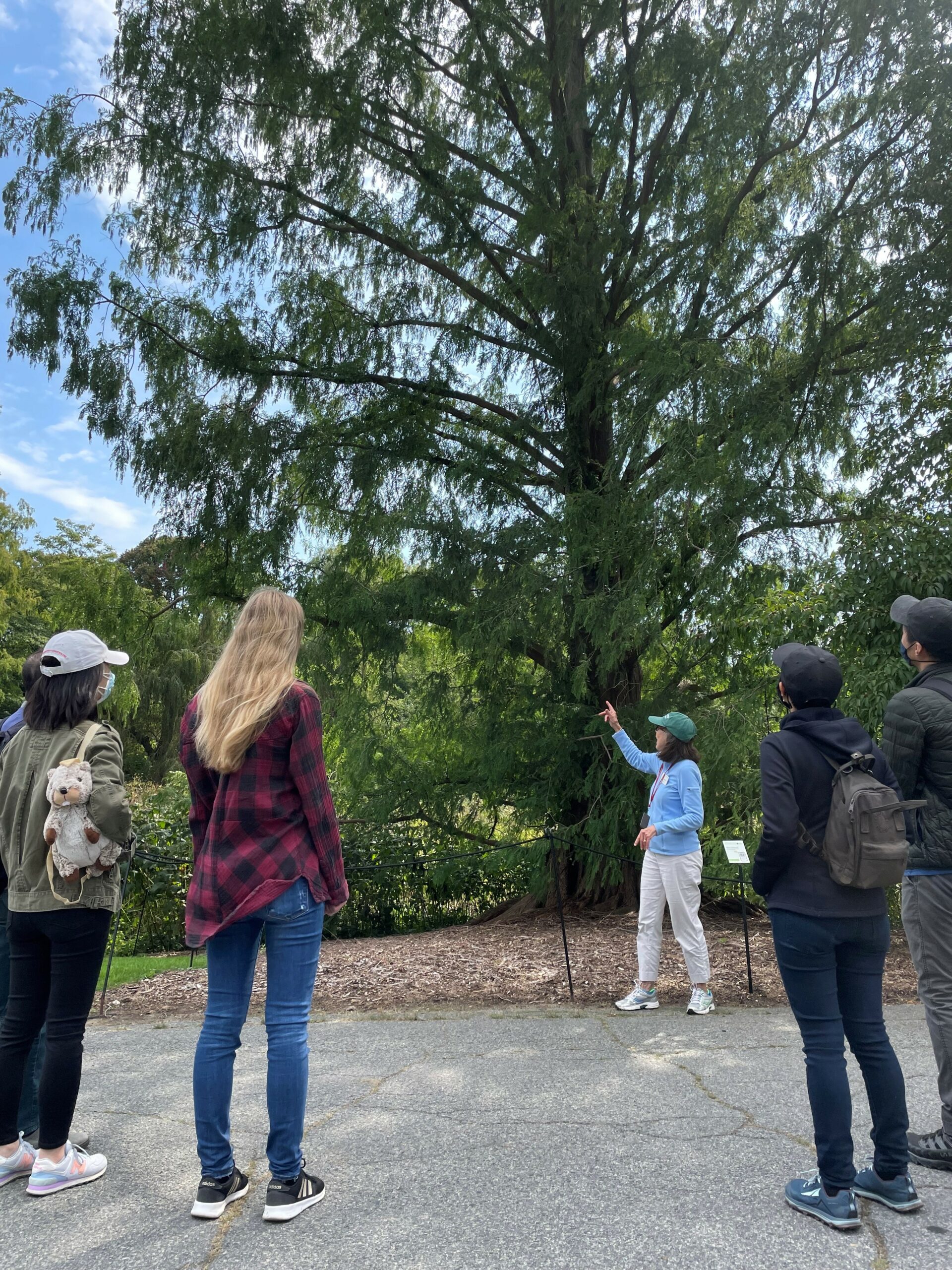
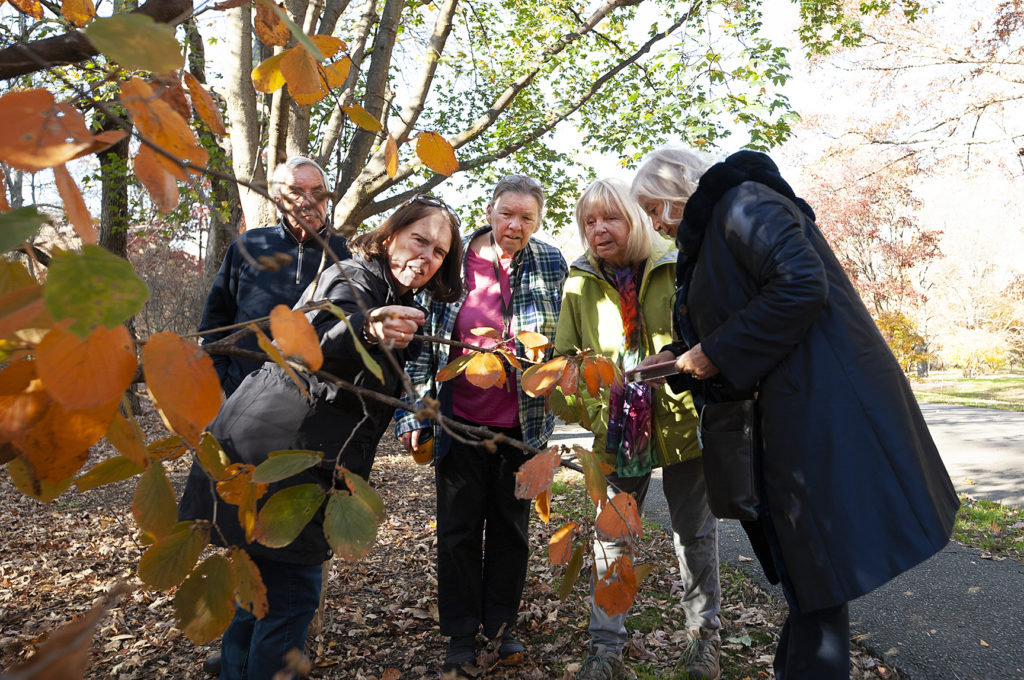
Explore part of the Arboretum’s 281 acre landscape, hear stories of the Arboretum’s history, get an introduction to some of the many woody plant collections, and enjoy what’s in bloom during this 90-minute, docent-led tour. This tour highlights areas near the Flora Way Gate including the Conifer Collection, Hemlock Hill, Rhododendron Dell and Valley Road.

Join pollinator expert Nicole Bell for a walk through the Arboretum’s meadows to find bees and other pollinators in their natural habitat. Bell will use a sweep net to find and catch bees in the landscape so participants can see them up close, while we talk about the most common bees found in Massachusetts, where they live and what they eat, and the importance of places like the Arboretum for pollinator conservation.

In the heat of summer, lightning strikes represent a threat to the tallest trees of our collections. Join arborist AJ Tataronis for a Tree Mob to learn how the Arboretum’s Horticulture team works to protect our trees from lightning strikes during summer storms.
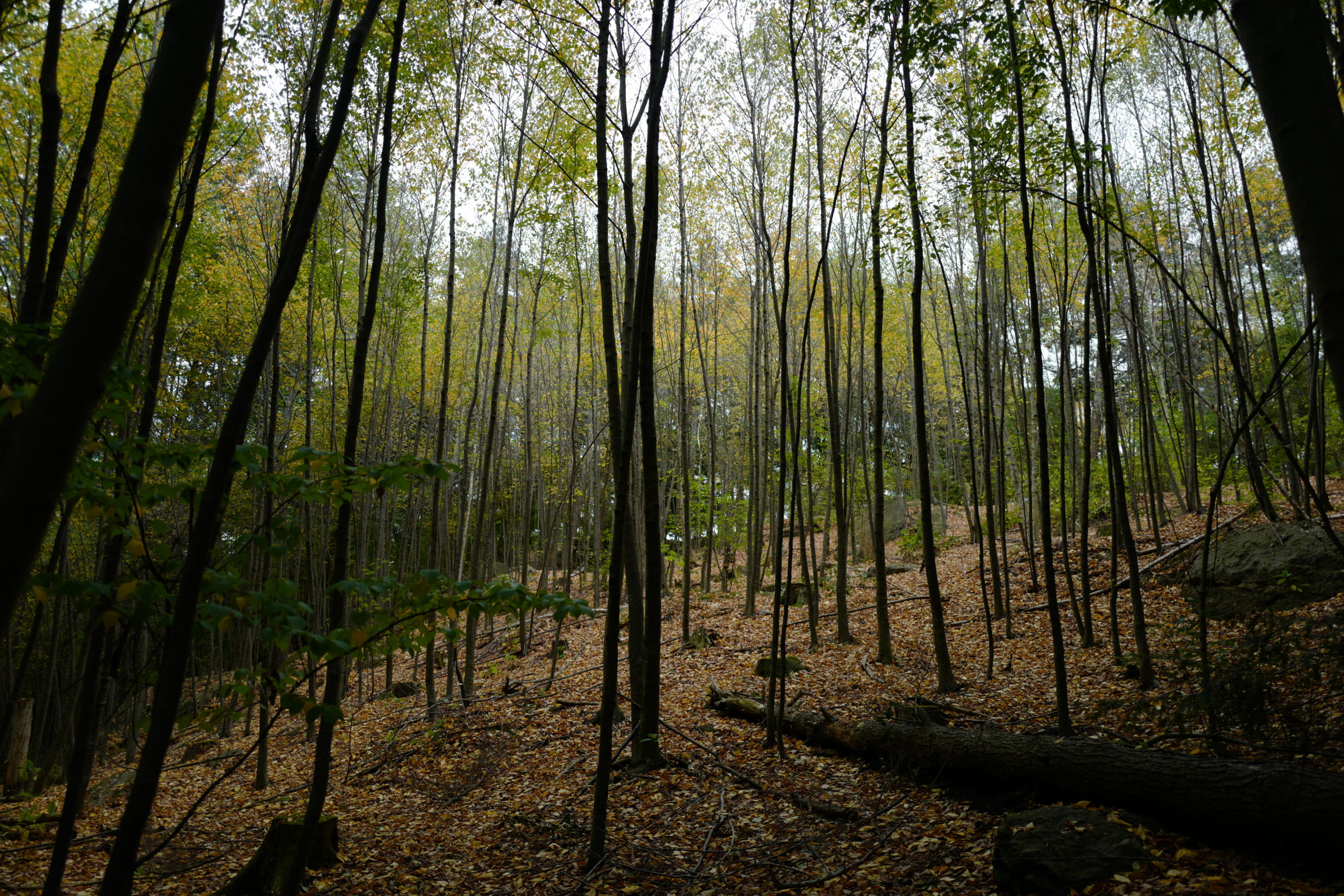
Hemlock Hill has been through some trials throughout its century and a half at the Arboretum, from the introduction of the hemlock woolly adelgid to the hurricane of 1938. Join former Head Arborist John DelRosso for an exploration of this unique corner of the landscape.
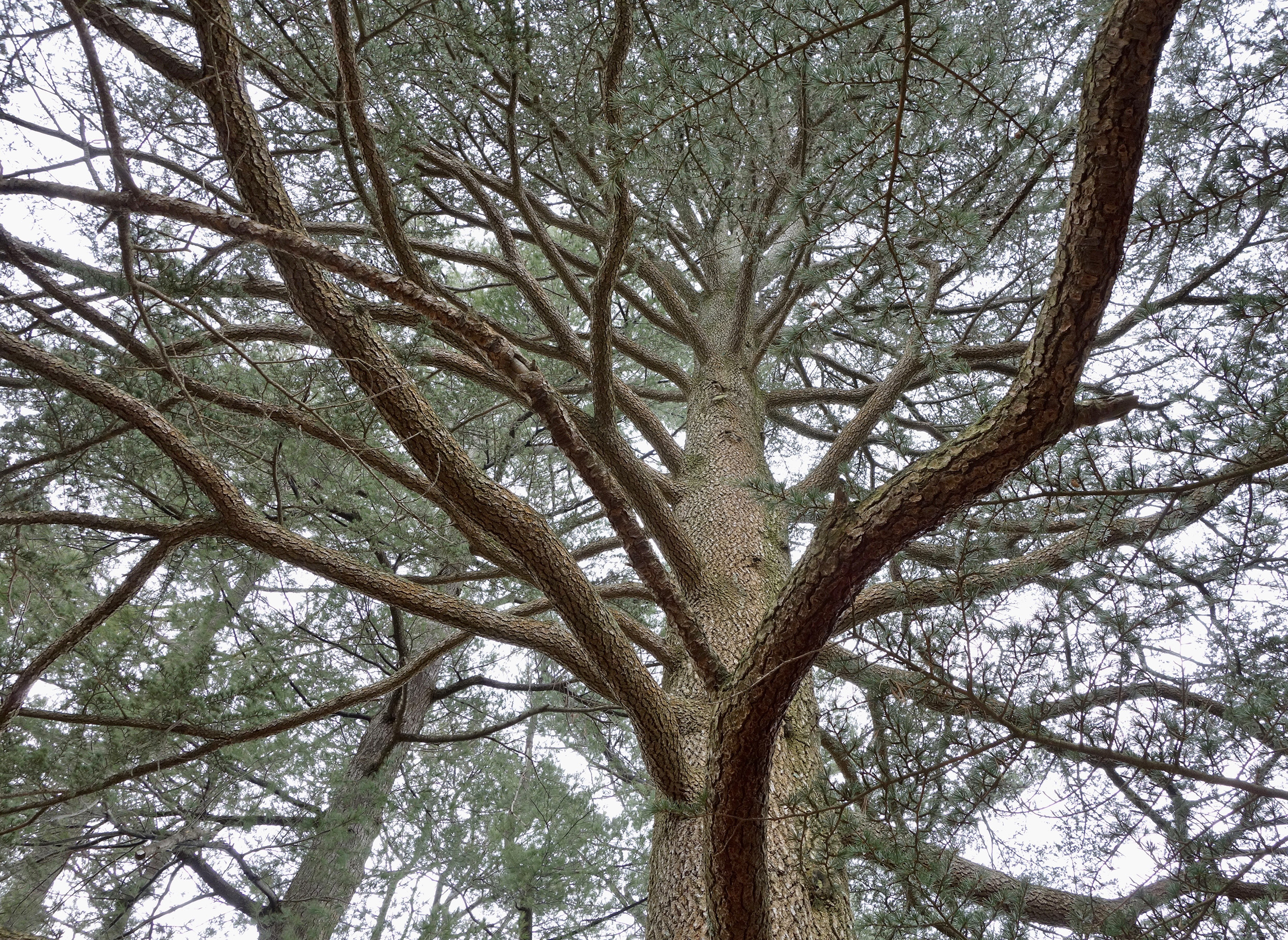
Join docent Paul Eldrenkamp for a visit to four groups of trees that each played a particularly significant role in shaping very different civilizations: Eastern White Pine, Cedar of Lebanon, Western Red Cedar, and the five sacred trees of the Kiso Forest in Japan.

Have you ever wanted to learn more about the feathered friends you see and hear on a walk through the Arnold Arboretum? If so, please join birders and volunteers TJ and Allison for a leisurely 90-minute bird watching walk.

*This program has been cancelled.* Before this landscape became an Arboretum, part of it belonged to a black landowner and farmer named Simeon Giles. A Harvard seminar called Slavery, the Environment, and Public History explored what we can learn about Giles and his family by reading the landscape today: which of the trees here were present at that time? What would Giles have cultivated here, and how might the lay of the land have impacted his livelihood? Harvard graduate student Riley Sutherland wrote an article in the summer feature of Arnoldia describing the course and what they learned, and she will be heading out into the landscape again along with Horticulturist Brendan Keegan and Arnoldia Editor Matthew Battles to share what they learned about Giles, the history of this land, and the stories landscapes tell.

Are you trying to get (back) into a nature-journaling practice? Interested in discovering a new, creative way to engage with the world of trees? Join this online, interactive session for some spontaneous and expressive artmaking, inspired by a tree near you! We will gather online to respond creatively to the trees in our respective corners of the world. The session consists of various free-form sketchbook experiments that celebrate the diversity of tree form.
Join us at the Arboretum as we read and discover new things about the natural world. During this one-hour program for our youngest guests and their grownups, we will read a nature inspired story, do a craft/activity, and go for a nature walk to continue exploring the theme.
Explore part of the Arboretum’s 281 acre landscape, hear stories of the Arboretum’s history, get an introduction to some of the many woody plant collections, and enjoy what’s in bloom during this 90-minute, docent-led tour. This tour highlights areas near the Flora Way Gate including the Conifer Collection, Hemlock Hill, Rhododendron Dell and Valley Road.

Embark on a birdwatching tour in the Arboretum’s landscape with docent and birder Donna Sullivan. This two-hour tour is suitable for adult beginners as well as more experienced birders.

Join us for an interactive look at all the tiny critters that crawl, fly, or slither through the Arboretum landscape. We will have sweep nets and bug boxes to catch bugs in Kent Field, digital microscopes to get a closer look, and entomologists to help us identify everything we find. This is an all-ages, interactive program: come prepared to move around and get up close with some bugs and insects!
Join docent Lisa Gaquin for a brisk morning walk along the inside perimeter of the Arboretum. This walk will be fast-paced, energetic, and will involve walking over hills and rough terrain.
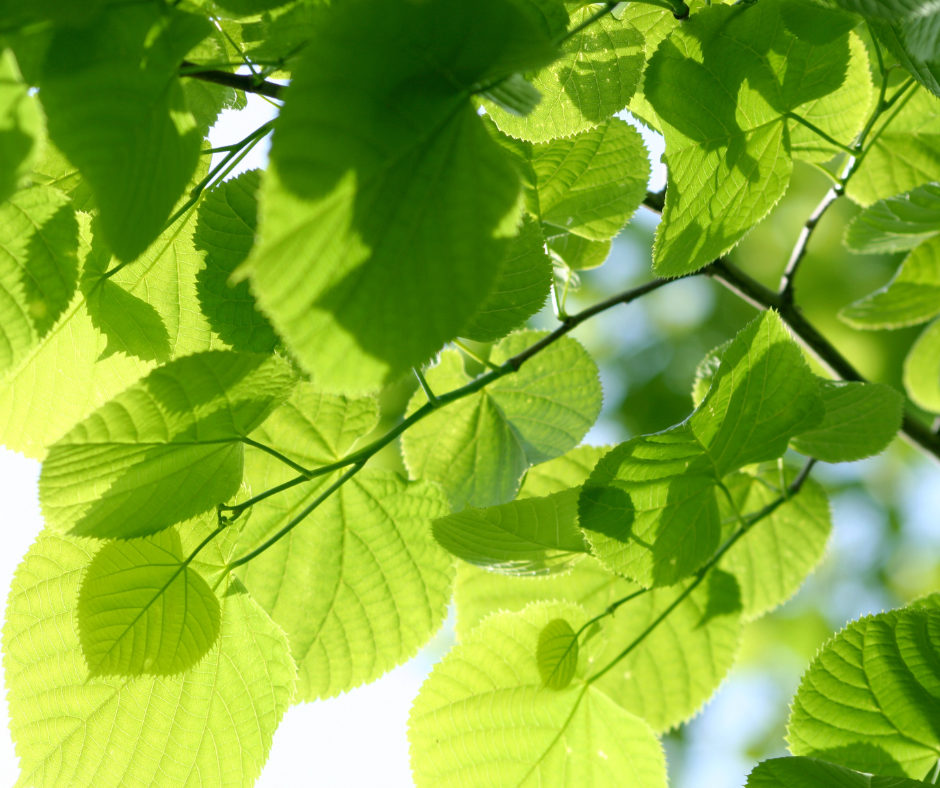
The linden trees are fruiting at the Arboretum! Join Horticulturist Ryan Devlin to learn about these unique trees, the many species and cultivars here, and how Arboretum staff manage this beautiful collection. We will meet in front of Hunnewell and then walk a few minutes down the road to the linden collection.

*Rescheduled from August 14* As the sun sets, the bats come out! Join Arboretum Horticulturist Brendan Keegan and Matt Kamm, Associate Director of Field Conservation at Zoo New England, for a Bat Walk in the Conifer Collection, using specialized microphones to listen for and identify bat species in the landscape.
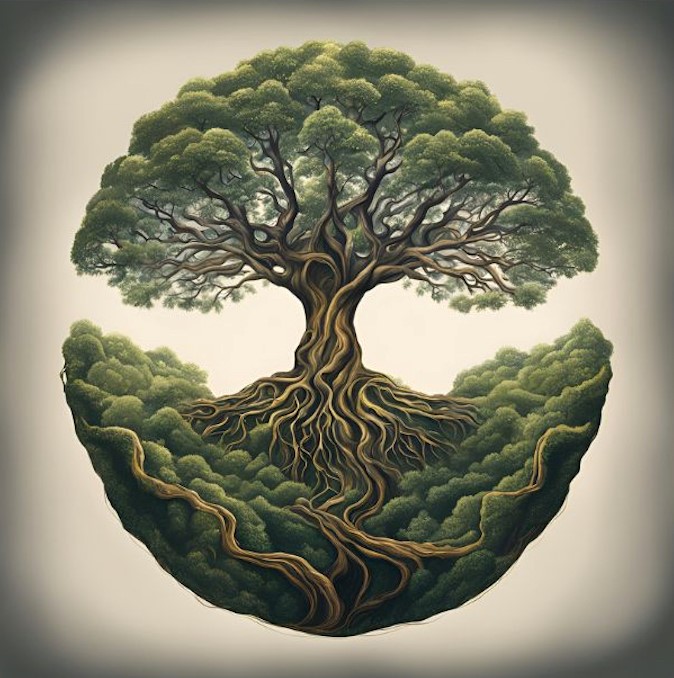
During this tour we will discuss angiosperms, the largest and most diverse group in the plant kingdom. All flowering trees are angiosperms, but not all angiosperms reproduce in the same way, so you may not see blooms and flowers but plenty of leaves. Docent Katrina Scott will lead this interactive tour with stops for moments to reflect on specific trees and the stories associated with them. Were they revered or feared? A home for deities or tricksters? We will begin at the Center Street Gate starting at Jack Dawson’s shagbark hickory (1883) then head up Oak Path to Beech Path ending at Bussey Hill Road after visiting the ash trees of Norse mythology (Yggdrasil.).

The Horticulture team planted the Solar Array Pollinator Meadow to provide a habitat for a wide variety of insects, birds, and other pollinators under and around the Weld Hill solar panels. But until recently, they had no good way of knowing just how well their experiment was working–that is, until naturalist Louise Miller took it on as a research project for her Mass Audubon Field Certification. Miller conducted a biodiversity survey of the meadow and recorded 70 species of plants and nearly 300 species of non-plant creatures, from snails and mushrooms to insects and salamanders. Join Miller to learn about the diversity she found here, view some of her incredible photographs, and get a chance to record some observations yourself.
Join us at the Arboretum as we read and discover new things about the natural world. During this one-hour program for our youngest guests and their grownups, we will read a nature inspired story, do a craft/activity, and go for a nature walk to continue exploring the theme.
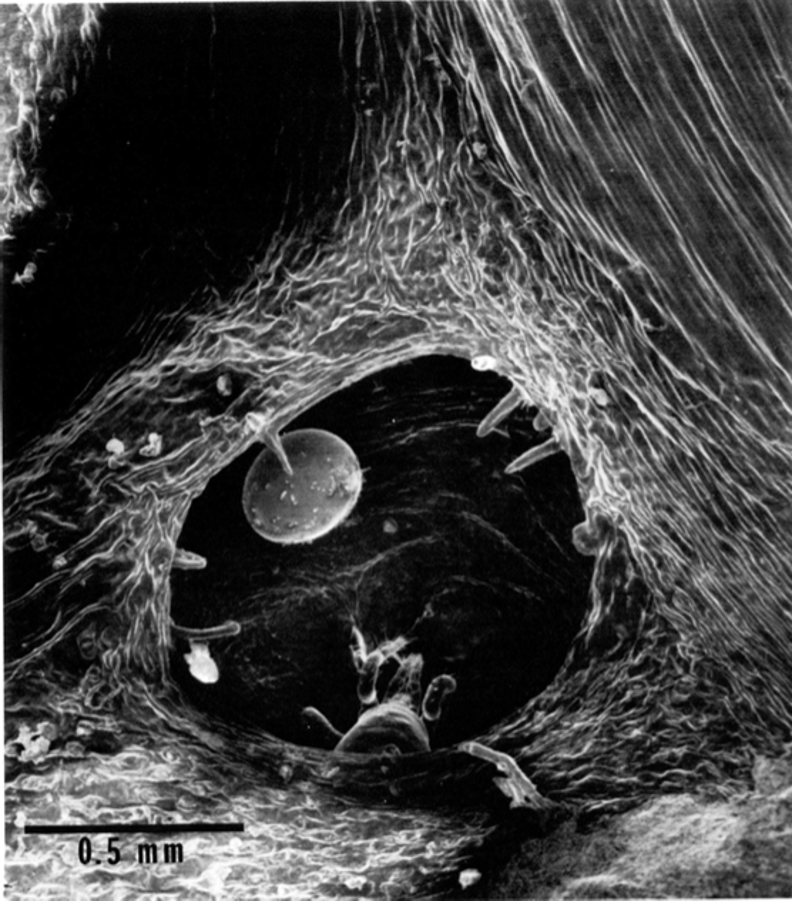
Have you ever noticed the small tufts of hair found at the intersection of veins on a maple leaf? These structures, called mite domatia, provide shelter and protection for predatory mites, which defend the plant against herbivores and pathogens in return. Join University of Michigan Postdoc and 2026 Carvão Awardee Marianne Azevedo Silva to learn about this mutualistic relationship and the research she is conducting on the mites themselves.

Use the power of art to hone your tree ID skills in this interactive class. The group will walk through the landscape, learning to identify common trees and shrubs and sketching out key identification characteristics. By the end of the program, participants will have a packet of identification tips and drawings for various plants, and a deeper understanding of the characteristics that make each tree species unique. No prior art skills necessary—this class focuses on seeing shapes, patterns, and details that make each species identifiable. Join us for a creative and hands-on approach to tree identification!
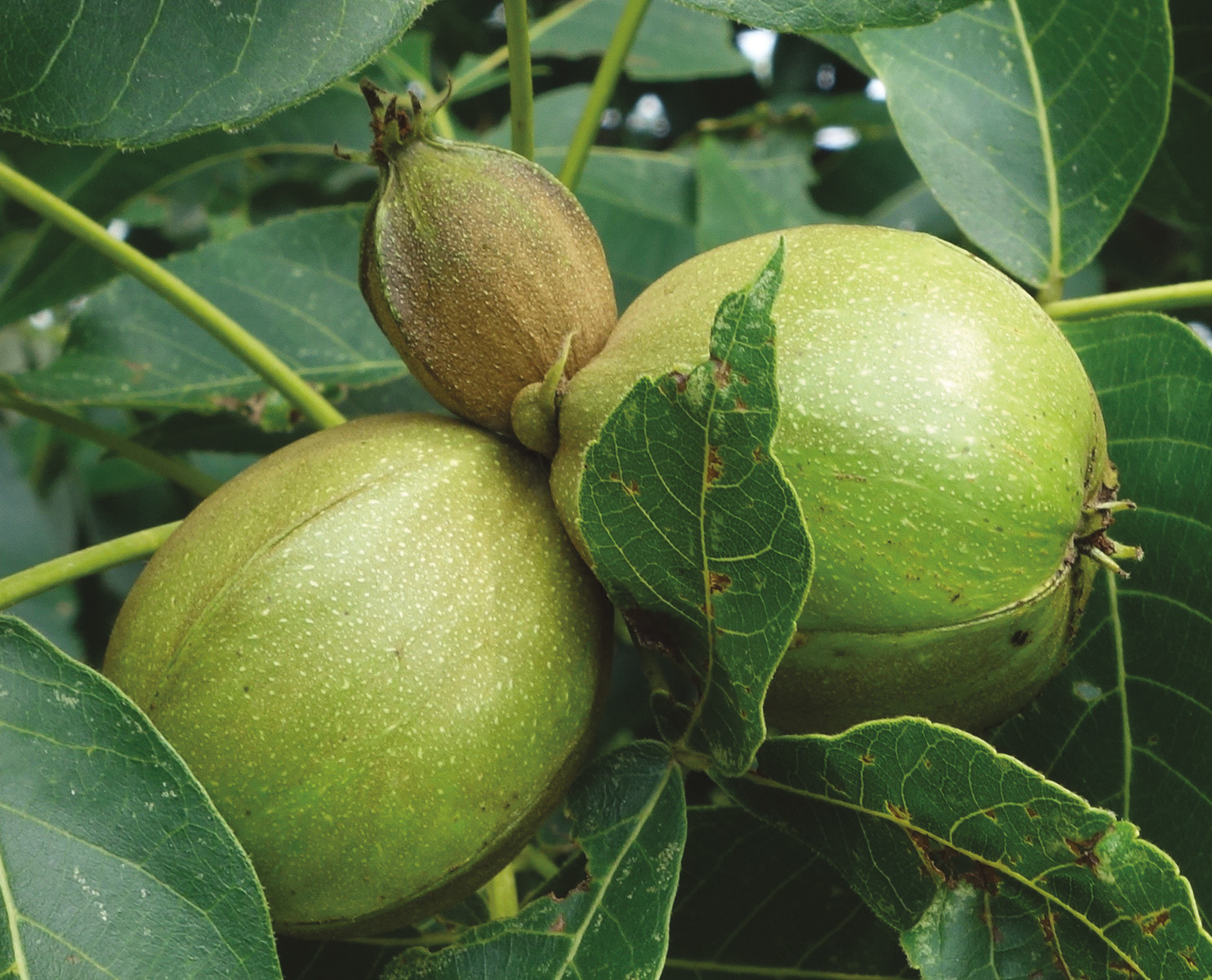
Nuts are ripening across the Arboretum landscape: black walnut, pignut, shagbark hickory, shellbark hickory, and many more. Join herbalist Alex Klein for a class on identifying walnut and hickory species using leaf shape, bark, nuts, and other key identification features. The class will focus on species common to Massachusetts streets and forests, so that you will be prepared to identify the trees around you on your next walk in the woods or around town.

*Rescheduled to August 30 due to rain* Many of the plants grown at the Arboretum have been used as natural dyes for centuries: goldenrod for yellow, stinging nettle for green, madder or bloodroot for pink. Join fiber artist Maggie Ruth Haaland on the Hunnewell Lawn to learn about some of these natural dyeing methods and get a chance to try some of your own.
Trees have long played an important role in cultures around the world. On this tour, we delve into the ethnobotany of trees – how people of different cultures and regions made use of woody plants for food, medicine, everyday wooden objects, dyes, fibers, oils, resins, gums, soaps, waxes, tannins. Join docent Vicki Amalfitano to explore how groups from many regions and traditions have historically used bark, roots, and leaves from native and exotic trees we have growing at the Arnold Arboretum for a variety of uses.
Embark on a birdwatching tour in the Arboretum’s landscape with docent and birder Donna Sullivan. This two-hour tour is suitable for adult beginners as well as more experienced birders.
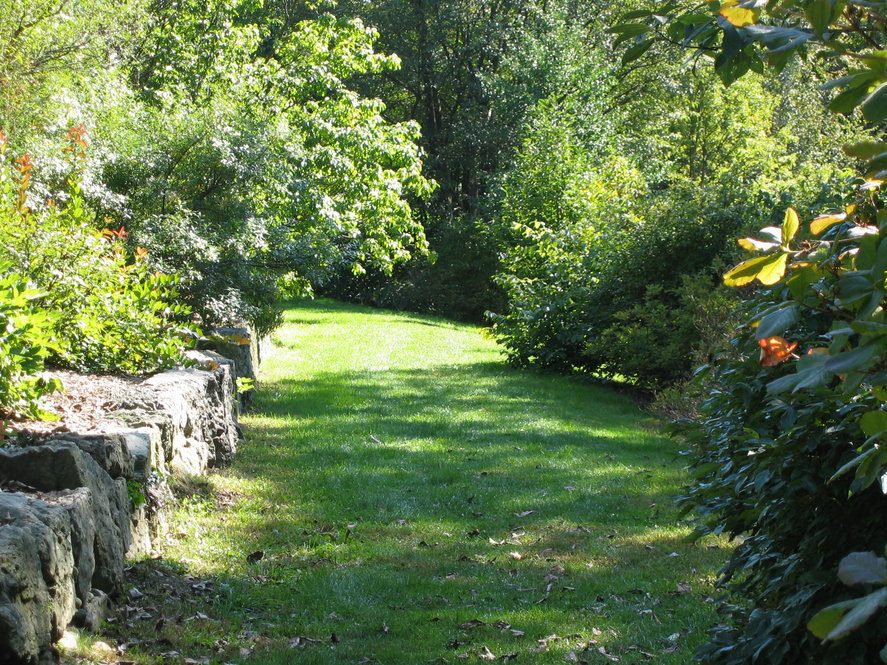
The Explorers Garden rests in a microclimate just below the summit of Bussey Hill. This nearly five-acre site provides ideal growing conditions for many species that have been challenging to grow in less protected areas of the Arboretum. As such, it has proven to be a perfect testing ground for plants collected in the expeditions of E. H. Wilson in the early 1900s to the NACPEC (North America-China Plant Exploration Consortium) expeditions of our own time. Join docent Marie Herbert for a guided tour to learn more about some of the plants showcased in this special collection and to hear stories of the plant exploration expeditions that brought them to the Arboretum.
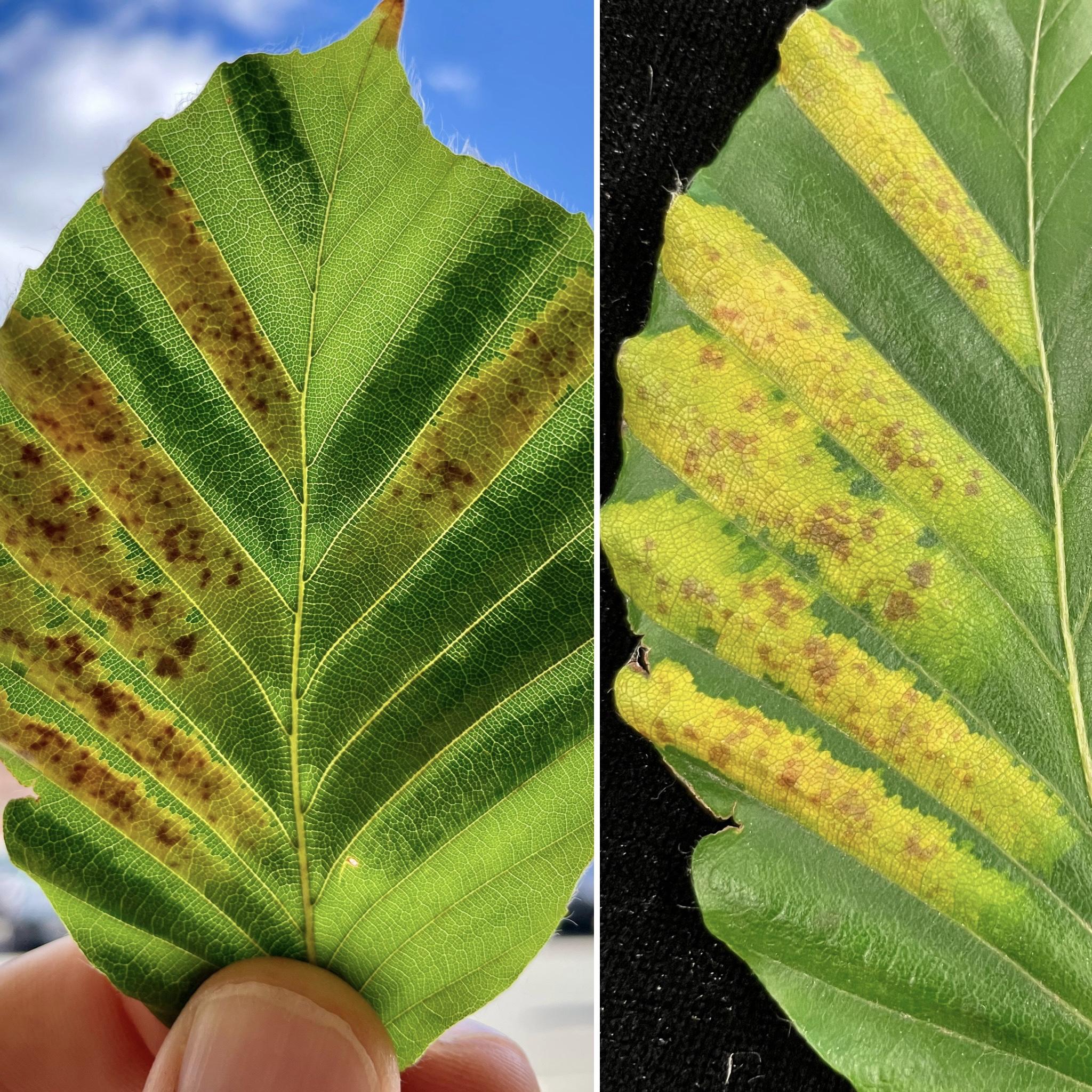
Introduced diseases are sweeping across New England Forests, from the deadly beech leaf disease to the new laurel wilt threatening sassafras and spicebush shrubs. Join UMass Extension Plant Pathologist Nicholas J. Brazee for a talk on these diseases, how they are impacting New England forests, and what researchers and management teams are doing about it.
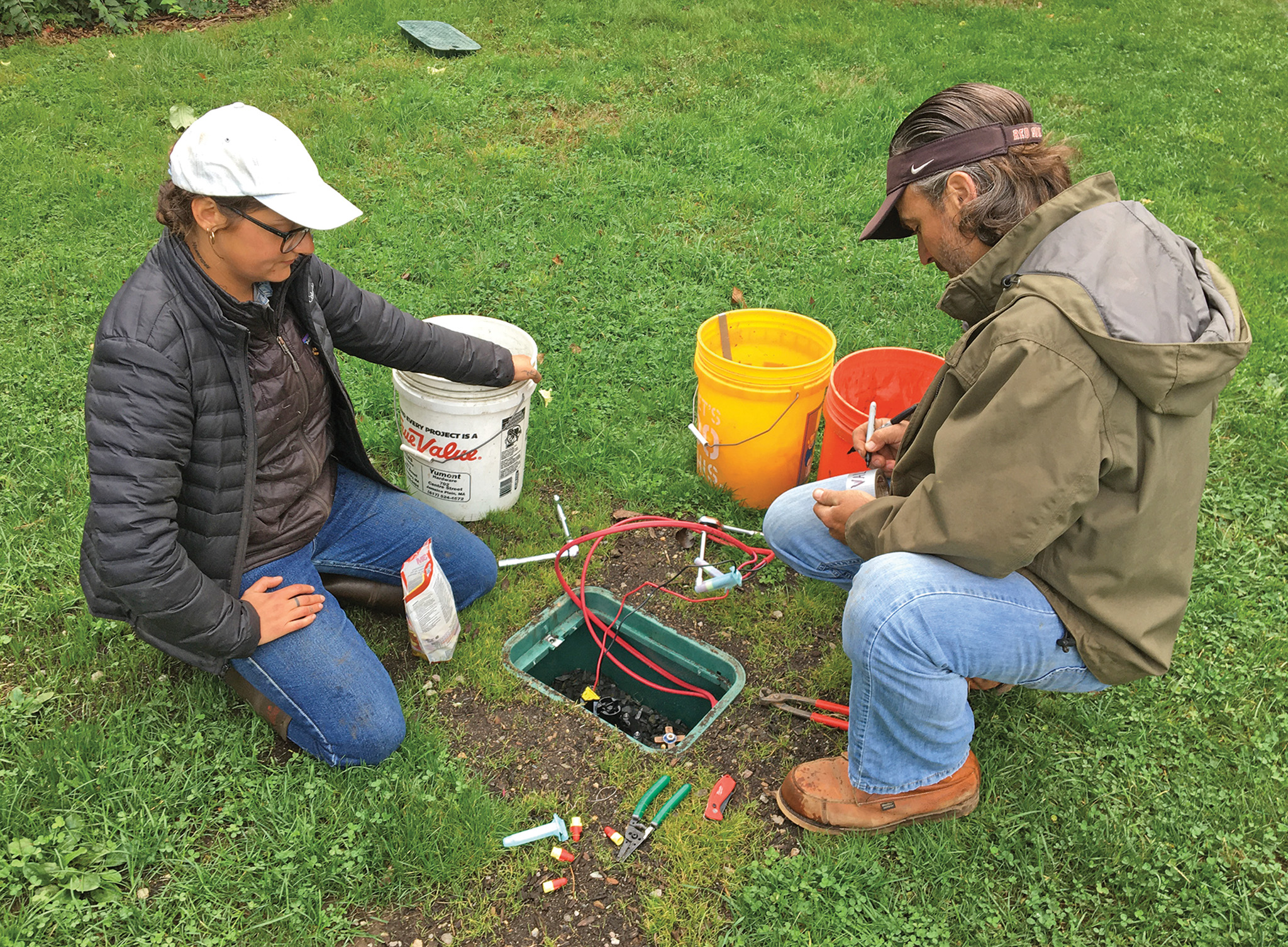
As climate change leads to increased temperatures and extreme weather patterns, drought is becoming more and more of a concern at the Arboretum. Staff have been working hard to install irrigation systems around the landscape since the record-breaking drought of 2016, working to increase the resiliency of our collections to periods of drought and dry weather, and this fall represents one of the biggest irrigation projects yet. Join Head of Operations and Project Management Danny Schissler and Head Operator Jed Romanowiz to learn how the Arboretum keeps trees watered in areas without irrigation, the Arboretum’s plans for new irrigation installations, and how all of these systems actually work.
Explore part of the Arboretum’s 281 acre landscape, hear stories of the Arboretum’s history, get an introduction to some of the many woody plant collections, and enjoy what’s in bloom during this 90-minute, docent-led tour. This tour highlights areas near the Flora Way Gate including the Conifer Collection, Hemlock Hill, Rhododendron Dell and Valley Road.

Explore the amazing variety and beauty of trees at the Arnold Arboretum with pencil and paper. Taught by artist and educator Erica Beade, this walking program will focus on capturing the shapes and volume of trunks and branches as well as techniques for drawing foliage. All skill levels are welcome.
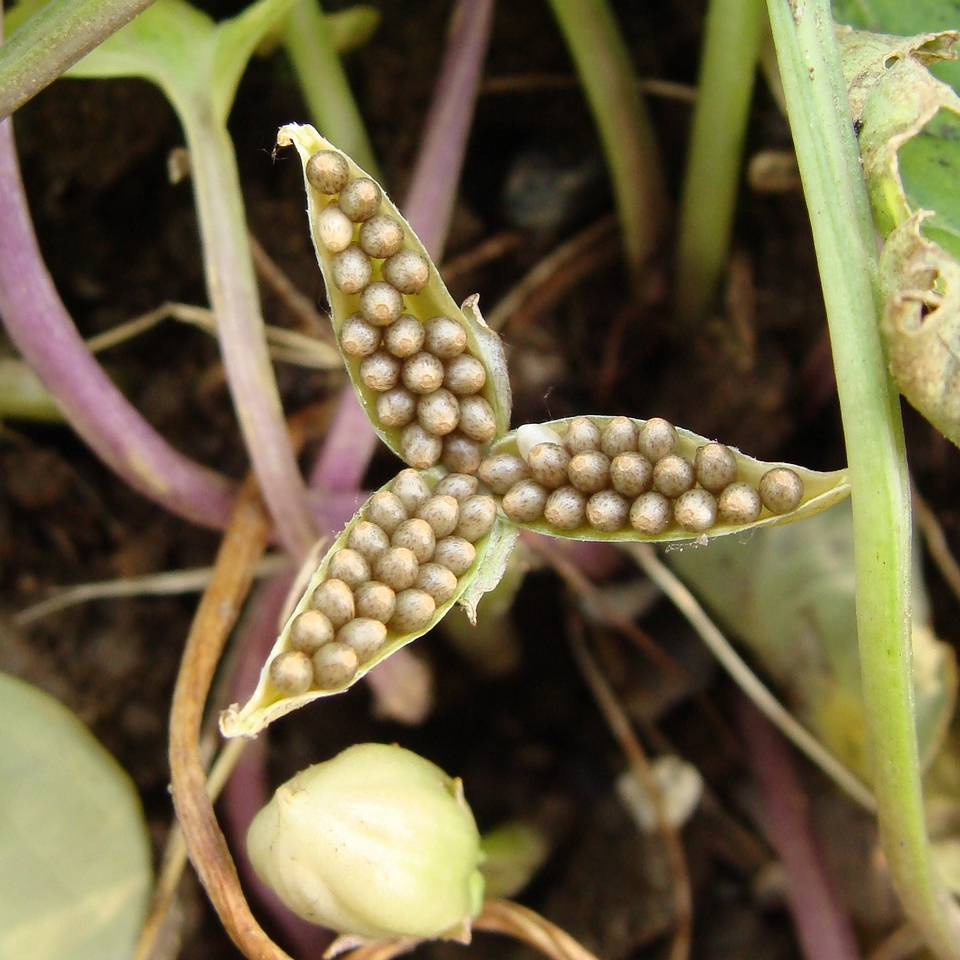
*Rescheduled from September 20* Join Manager of Adult Programming and Events Sarah Nechamen for a deep dive into the strangest parts of the plant world. This month’s theme is seed dispersal: from seeds that explode out from their seed pods to pine cones that require wildfire to open, explore all of the weird and wonderful ways plants have found to get their seeds out into the world.
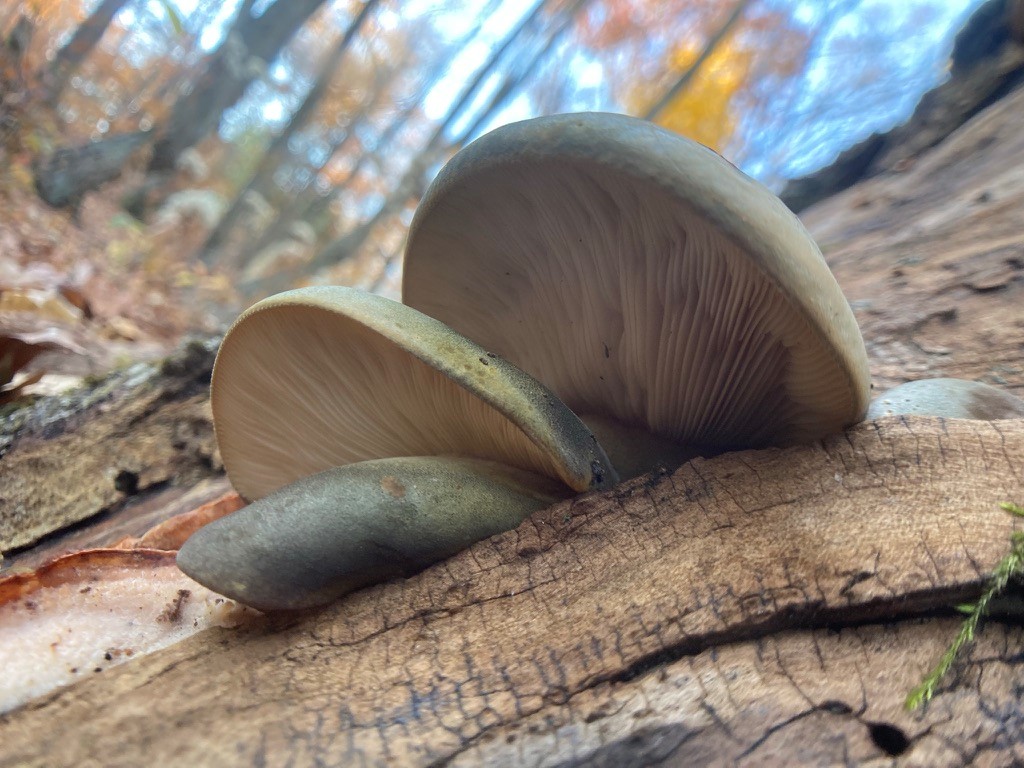
Hundreds of mushrooms hide beneath the Arboretum’s canopies, silently blossoming into unique forms then withering away again just as quickly. Join local mushroom enthusiast Maria Pinto to search for these fascinating organisms on the Arboretum grounds, both edible and poisonous alike. Along the way you will learn what mushrooms to look for in different habitats and seasons, how they move through ecosystems, and what the Arboretum’s unique collections affect what mushrooms you might find here.
Have you ever wanted to learn more about the feathered friends you see and hear on a walk through the Arnold Arboretum? If so, please join birders and volunteers TJ and Allison for a leisurely 90-minute bird watching walk.
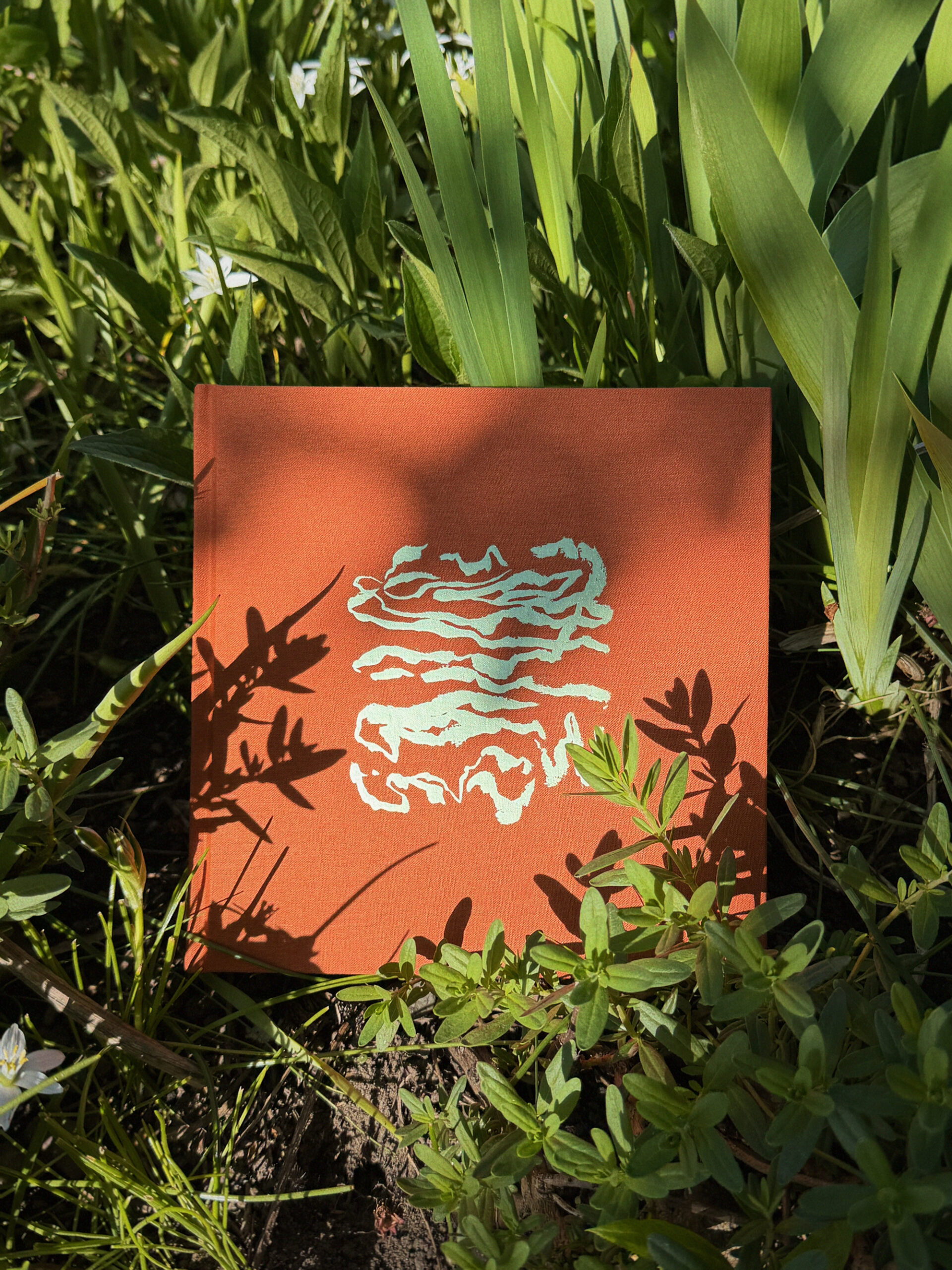
Join Oreades Press and Arnoldia Editor Matthew Battles for a unique literary program: participants will bind together their own booklets in the Hunnewell Lecture Hall and then head into the landscape to hear live readings of excerpts from Arnoldia and An Anthology of Earth from local writers, standing under the same trees highlighted in the readings. After each excerpt, participants will have a chance to reflect and respond in their booklets, ending with an in-depth writing exercise on the themes of trees and nature.
Docent Katrina Scott will lead this interactive tour with stops for moments to reflect on specific trees and the stories associated with them. Were they revered or feared? A home for deities or tricksters? We will begin at the Walter Street Gate to visit the oldest ginkgoes at the Arboretum, then head up the Conifer Path and diverge to walk, rest, and reflect among various conifers, eventually ending by the yews near Bussey Brook and Hemlock Hill Road.
Join docent Lisa Gaquin for a brisk morning walk along the inside perimeter of the Arboretum. This walk will be fast-paced, energetic, and will involve walking over hills and rough terrain.
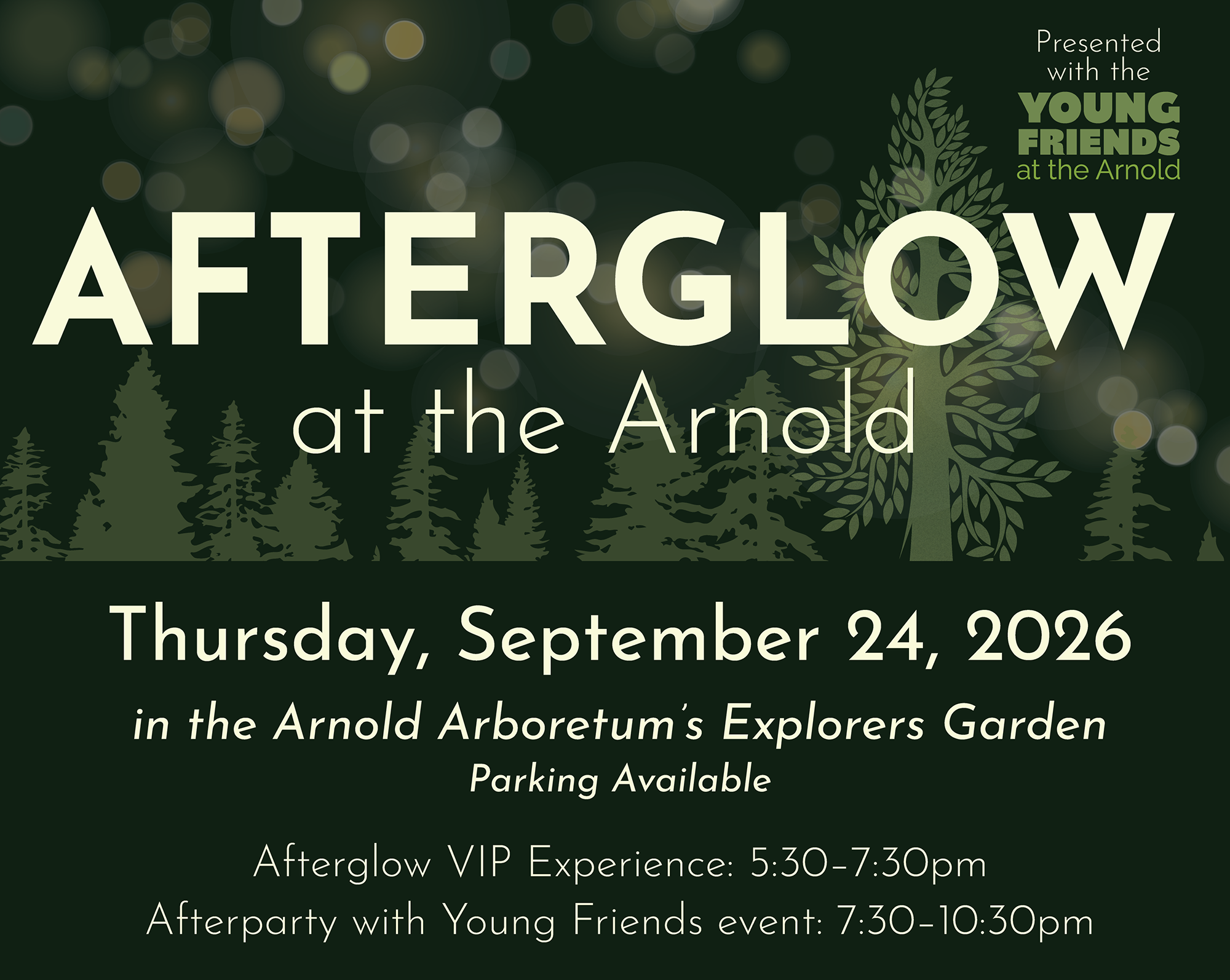
Join the Arnold Arboretum for our inaugural event, Afterglow! An evening of discovery under the stars with food, drinks, and learning opportunities. This event is designed to celebrate the Arboretum’s work: a free and open public park in the City of Boston, an academic “museum of trees,” a conservation and research institution, and a place of outdoor education for all people. The event will be hosted in the Arnold Arboretum’s Explorers Garden, where we care for plants from around the world, exemplifying our global collaboration and conservation work. Guests will engage with Arboretum experts while enjoying cocktails and passed food in the living collections, followed by music and dancing under a tent.
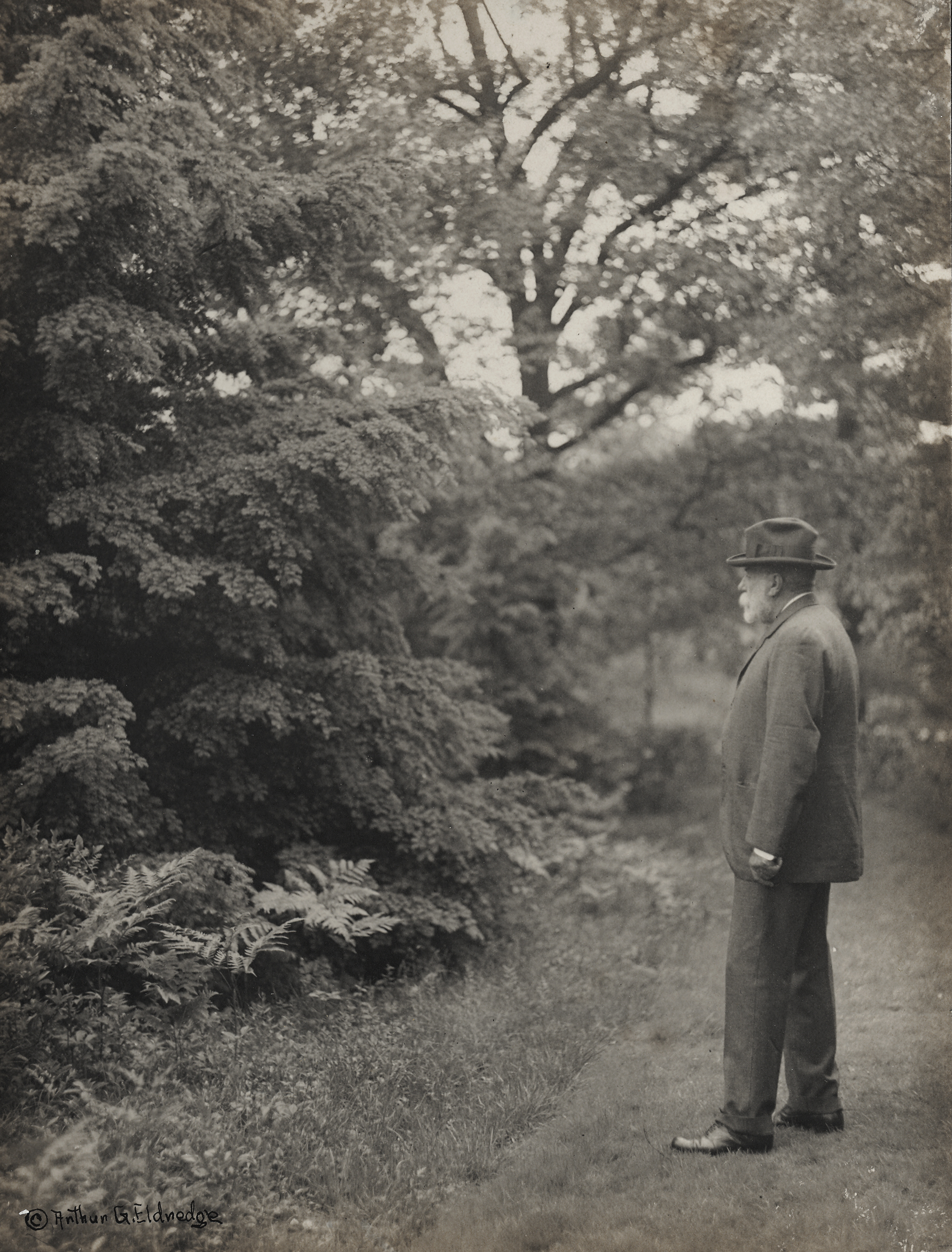
Many are aware of Charles Sprague Sargent’s role as first director of the Arnold Arboretum, establishing it as the world-renowned institution it is today. Far fewer are familiar with how his close relationships and prolific correspondence with figures of national and international prominence in the developing fields of botany, horticulture, forestry, and wilderness preservation or his leadership of seminal public sector projects such as his path-breaking survey of United States forests for the 1880 US Census shaped the American landscape far beyond the Arboretum’s walls. Docent Paul Eldrenkamp will lead a tour that explores the far-reaching influence — then and now– of the Arboretum’s first director.
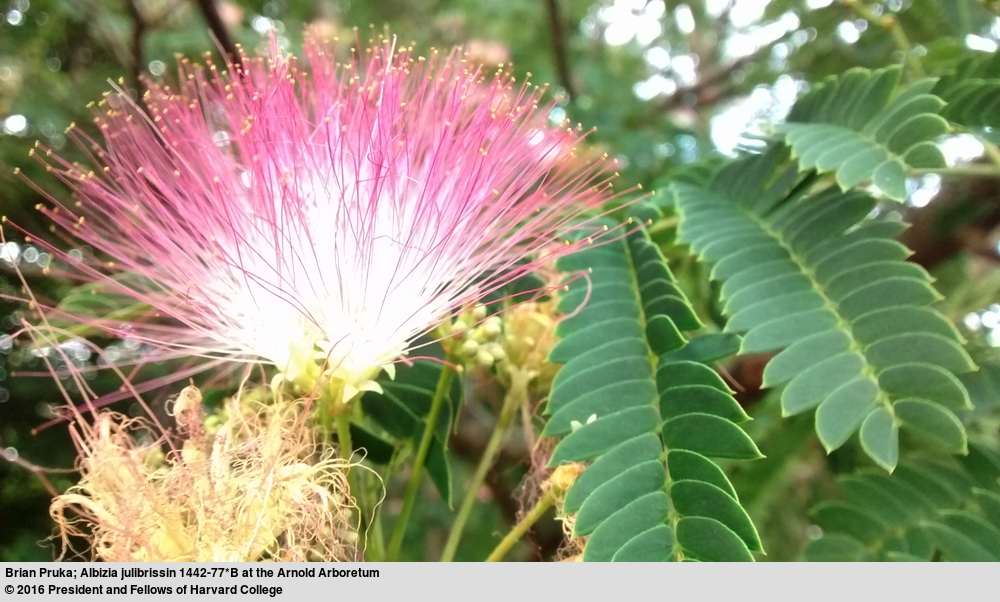
*Cancelled due to heavy rain* What is the difference between a plant in the beech family and the birch family? What does a raspberry plant and a rose plant have in common? Join educator and herbalist Mo Katz-Christy on a meander through the landscape to learn about the common plant families here, how to identify common characteristics in each family, and what we can learn about plants based on their close relatives.
La terapia de bosque, también conocida como baño de bosque o shinrin-yoku, es una práctica basada en evidencia que te invita a conectar con la naturaleza de una manera gentil, curiosa y consciente. Esta serie de tres sesiones ofrece a la comunidad hispanohablante la oportunidad de experimentar el bosque como un maestro vivo. Esta sesión, Caminando con Gratitud, utiliza caminatas lentas y conscientes, un círculo de palabra y una ofrenda simbólica para honrar la tierra y cultivar gratitud por los lugares que nos rodean.
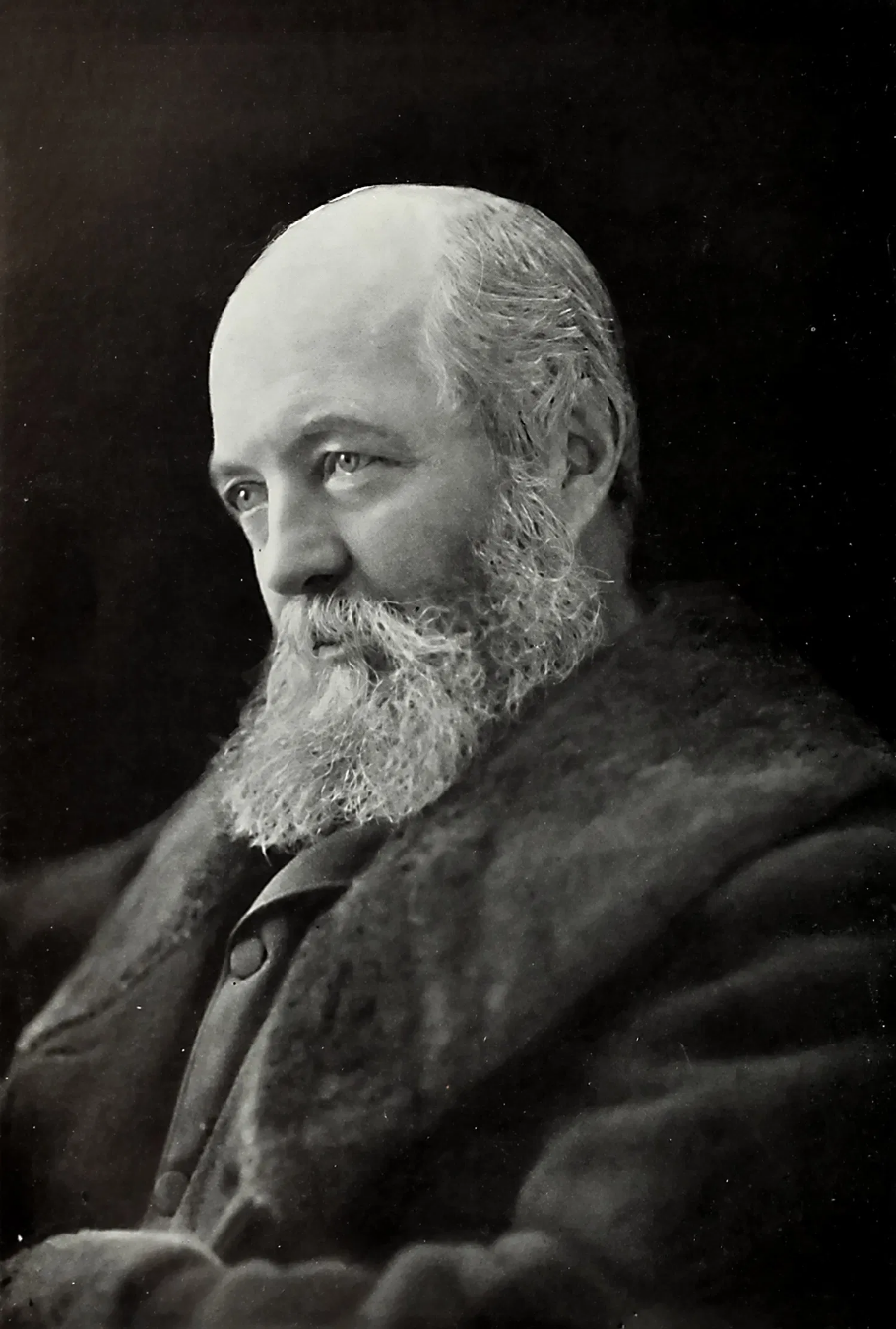
Frederick Law Olmsted, considered the father of landscape architecture, designed some 500 public spaces in North America. The Arnold Arboretum is the only arboretum he designed, a National Historic Landmark, and a model for others around the world. Docent Bill Beizer, will identify the elements of the Arboretum that best reflect Olmsted’s philosophy and approach to landscape design.

Stop by Bussey Hill to chat with the Arboretum’s Head Arborist and learn how arborists take care of the trees here through climbing, pruning, and expert chainsaw wielding. Head Arborist AJ Tataronis will be there from 12:00 to 2:00pm answering questions: no registration is required, just stop by!

*Rescheduled from September 27 due to rain* The Arboretum becomes a riot of color in the fall with leaves turning deep red, fiery orange, and bright yellow. Have you ever wondered why this happens every autumn? Outdoor Educator Ana Maria Caballero will take us through the science of fall leaf color, including an exploration of pigments and abscission, a hands-on experiment to reveal the array of pigments present in every leaf, and a walk in the landscape to take a closer look at leaves in all phases of color change.

The Arboretum’s magnolia collection is best known for its showy blossoms in the early spring, but these trees have something special to share in the fall too: strange, cone-like seed pods bursting with striking red and orange seeds. Join Director of Horticulture and Landscape Rodney Eason and Arboretum Gardener Sylvia Maina for a tour of the magnolias in all their fall glory.
Have you ever wanted to learn more about the feathered friends you see and hear on a walk through the Arnold Arboretum? If so, please join birders and volunteers TJ and Allison for a leisurely 90-minute bird watching walk.