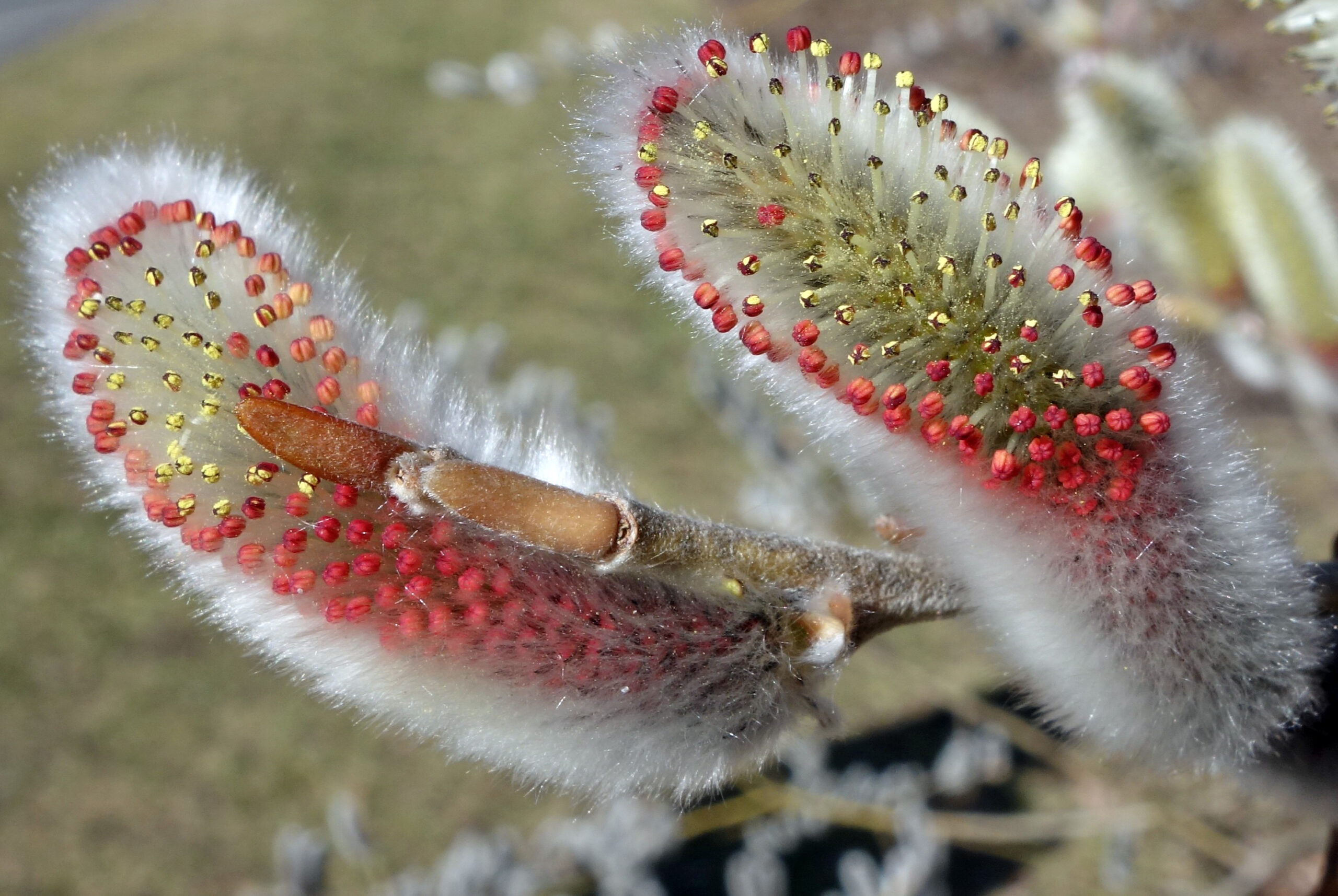
Tree Mob: Pussy Willow
The pussy willows on Meadow Road are blooming, with brilliant red and yellow flowers emerging from the classic fuzzy buds. Join Manager of Horticulture Rachel Brinkman for a Tree Mob celebrating this unique plant.
Exhibits

Guided Tours
Plan Your Visit
The pussy willows on Meadow Road are blooming, with brilliant red and yellow flowers emerging from the classic fuzzy buds. Join Manager of Horticulture Rachel Brinkman for a Tree Mob celebrating this unique plant.
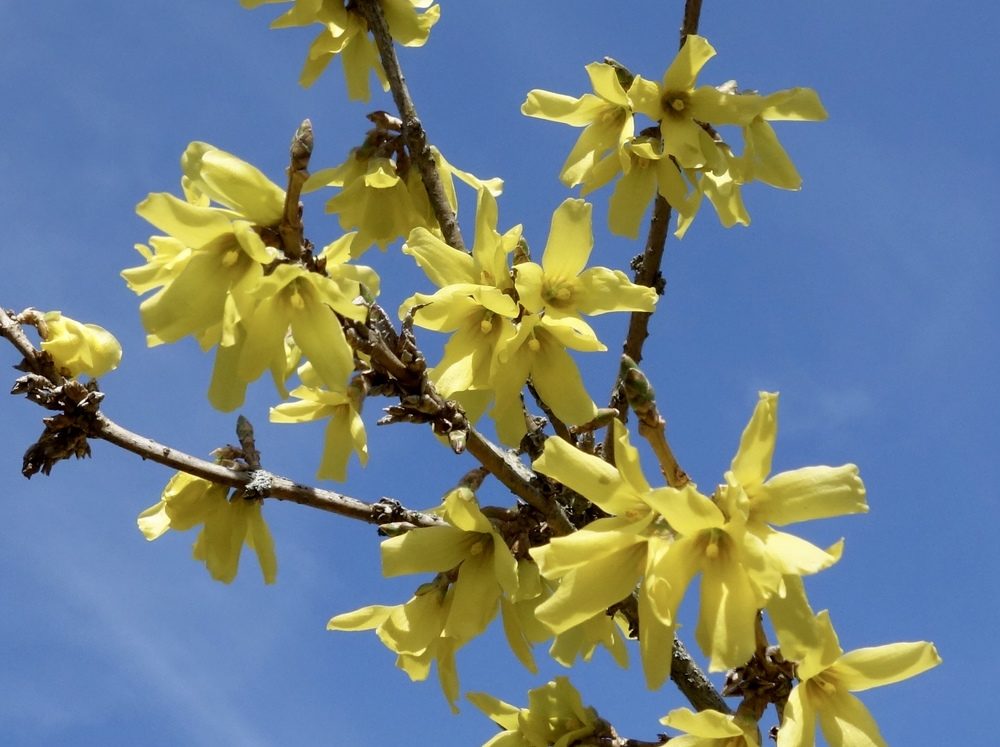
The Arboretum’s Forsythia collection is not only a beautiful display of yellow every spring, but it is also one of the most significant of its kind on the planet. Such is its importance that it is one of the eight Nationally Accredited Collections at the Arnold Arboretum. Some of these accessions were collected from the wild in Asia (including North Korea) while others are cultivars introduced by Arboretum scientists and others to improve the ornamental merits of the genus. Join Keeper of the Living Collections Michael Dosmann on a stroll to learn more about Forsythia and some the storied plants that grow here.
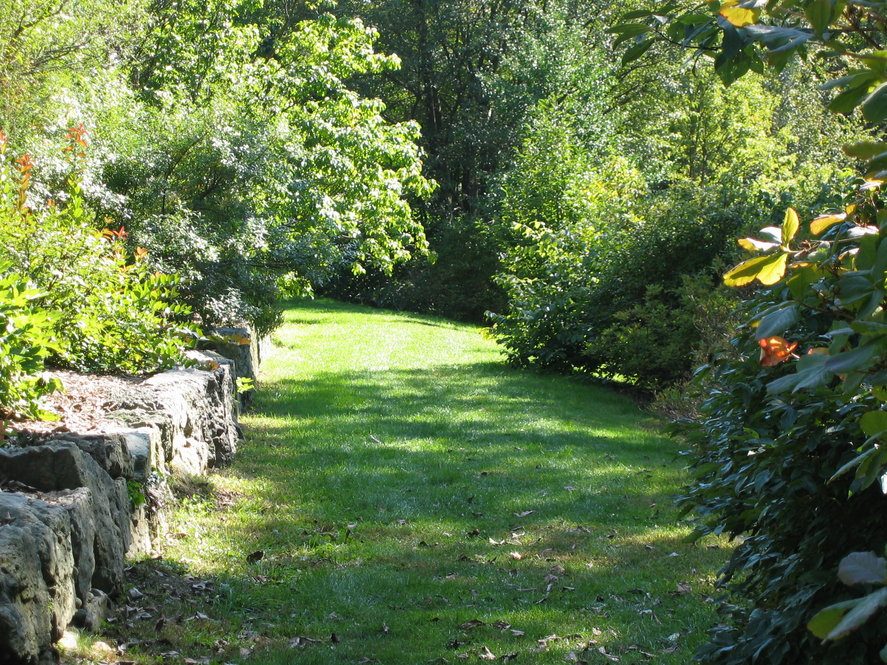
The Explorers Garden rests in a microclimate just below the summit of Bussey Hill. This nearly five-acre site provides ideal growing conditions for many species that have been challenging to grow in less protected areas of the Arboretum. As such, it has proven to be a perfect testing ground for plants collected in the expeditions of E. H. Wilson in the early 1900s to the NACPEC (North America-China Plant Exploration Consortium) expeditions of our own time. Join docent Marie Herbert for a guided tour to learn more about some of the plants showcased in this special collection and to hear stories of the plant exploration expeditions that brought them to the Arboretum.

Come celebrate Japanese culture amongst the Arboretum’s beautiful cherry blossoms with taiko drumming, traditional Japanese dance, Japanese games and calligraphy, family activities, and the inside scoop on the Arboretum’s own cherry collection.
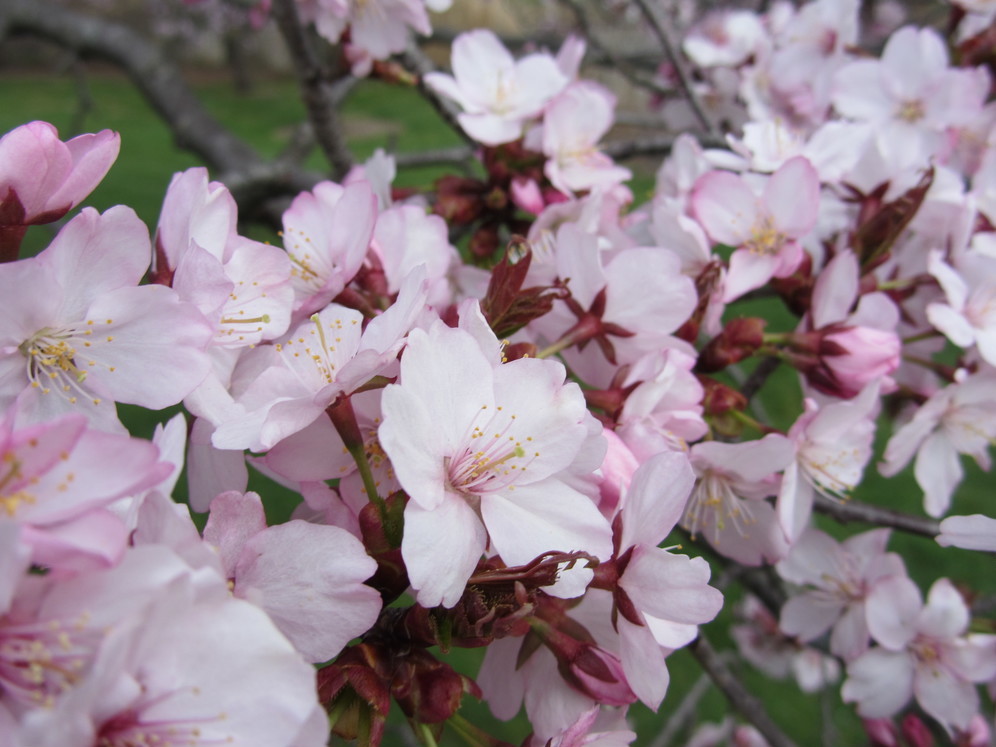
The cherry trees are blooming at the Arboretum! Join Horticulturist Rachel Lawlor to learn about cherry trees’ history and cultural ties, the cultivars the Arboretum has introduced, how to identify cherry species and how to care for them in your own yard.
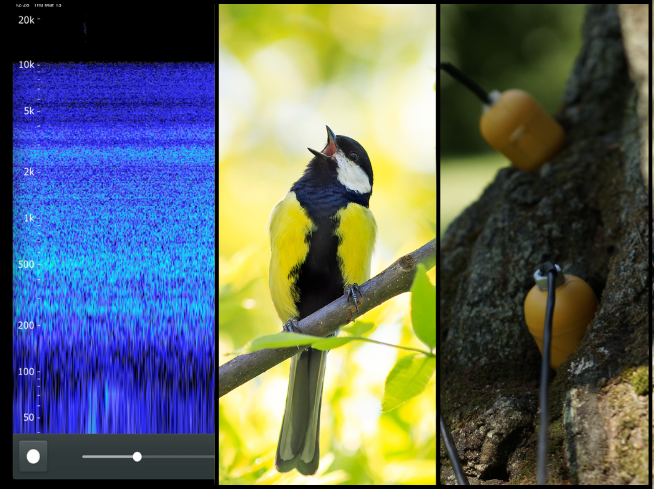
Stop by the Hunnewell lawn to experience the sounds of the Arboretum in a new way. Work with a birder to learn how to identify birds from their unique calls, listen to the sounds of a tree or soil amplified through specially designed microphones, participate in a “listening launchpad” activity to find sounds around the Arboretum landscape, engage in conversation prompts about the sounds of the landscape, and enjoy a guided soundscape meditation.
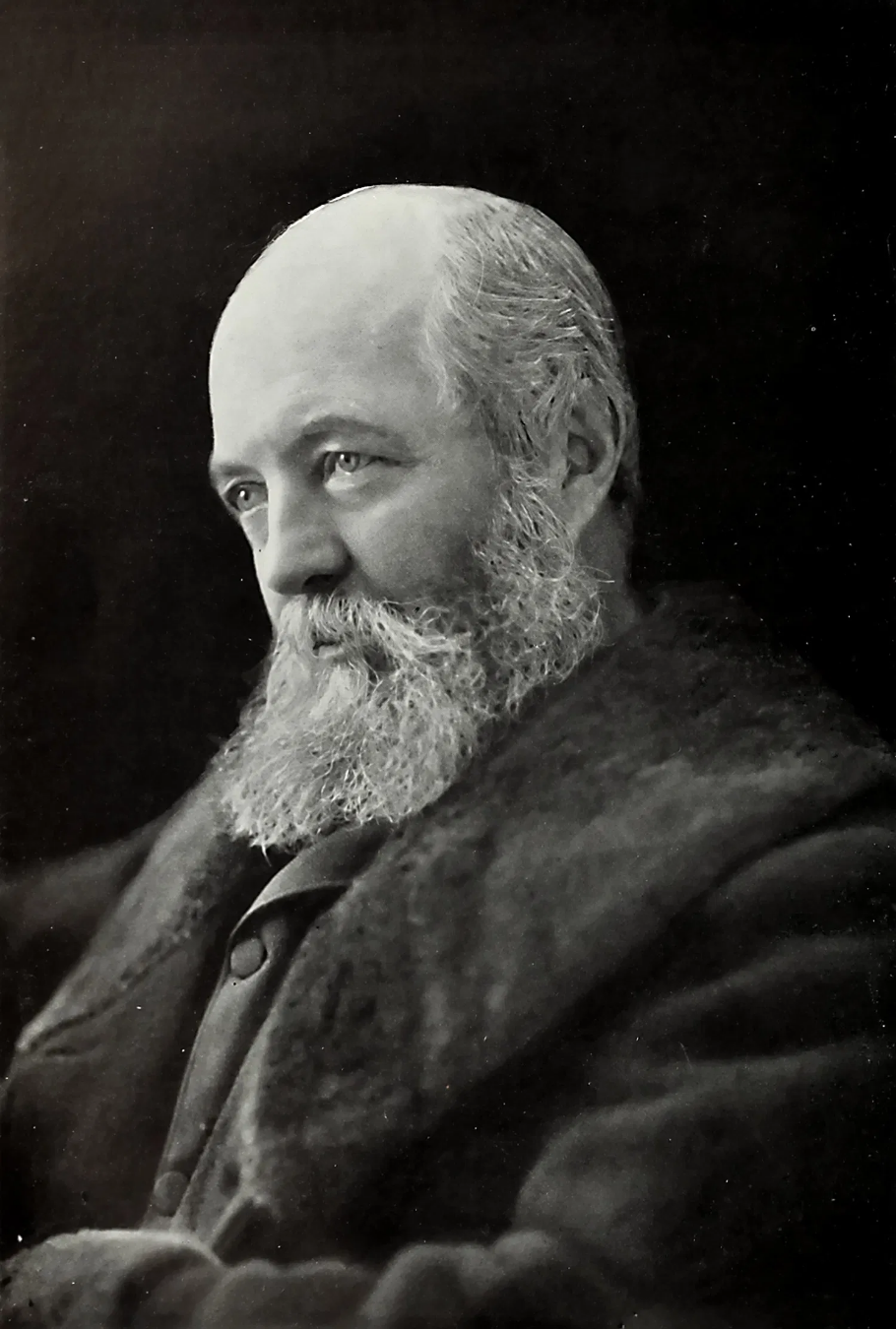
Frederick Law Olmsted, considered the father of landscape architecture, designed some 500 public spaces in North America. The Arnold Arboretum is the only arboretum he designed, a National Historic Landmark, and a model for others around the world. Docent Bill Beizer, will identify the elements of the Arboretum that best reflect Olmsted’s philosophy and approach to landscape design.
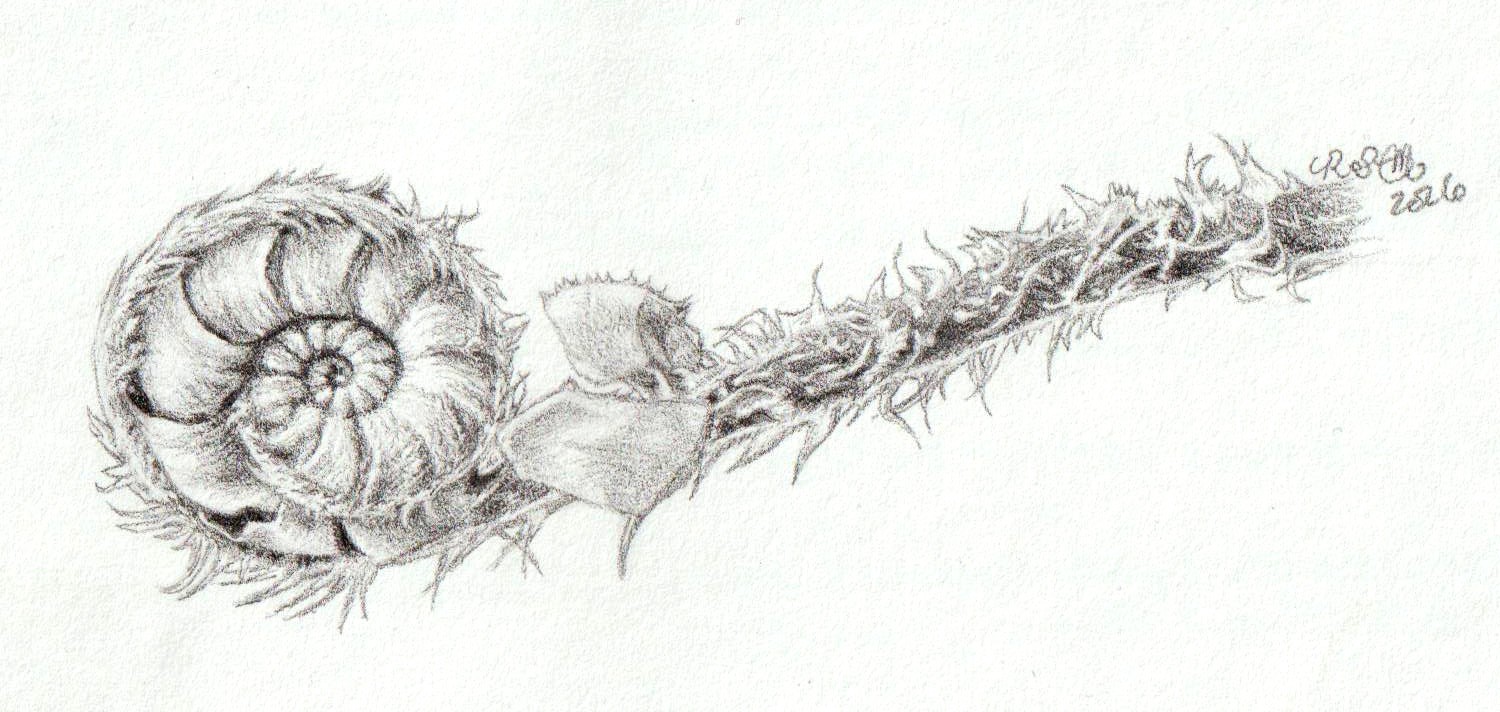
Discover the patterns that shape the plant world in this hands-on art program, from spirals that follow the fibonacci sequence to branching that creates infinite fractals. After a brief crash course on the math and science behind these patterns with instructor Rachel Mirus, you will move into creative, art-based activities to explore these patterns further and start creating some of your own.

At the end of April, flowers are just starting to emerge from the trees and shrubs of the Arboretum: cherry trees, dogwood, redbuds, and magnolias are all blooming this time of year. Join Arboretum docent Paul Eldrenkamp to see, smell, and learn about these early spring blooms!
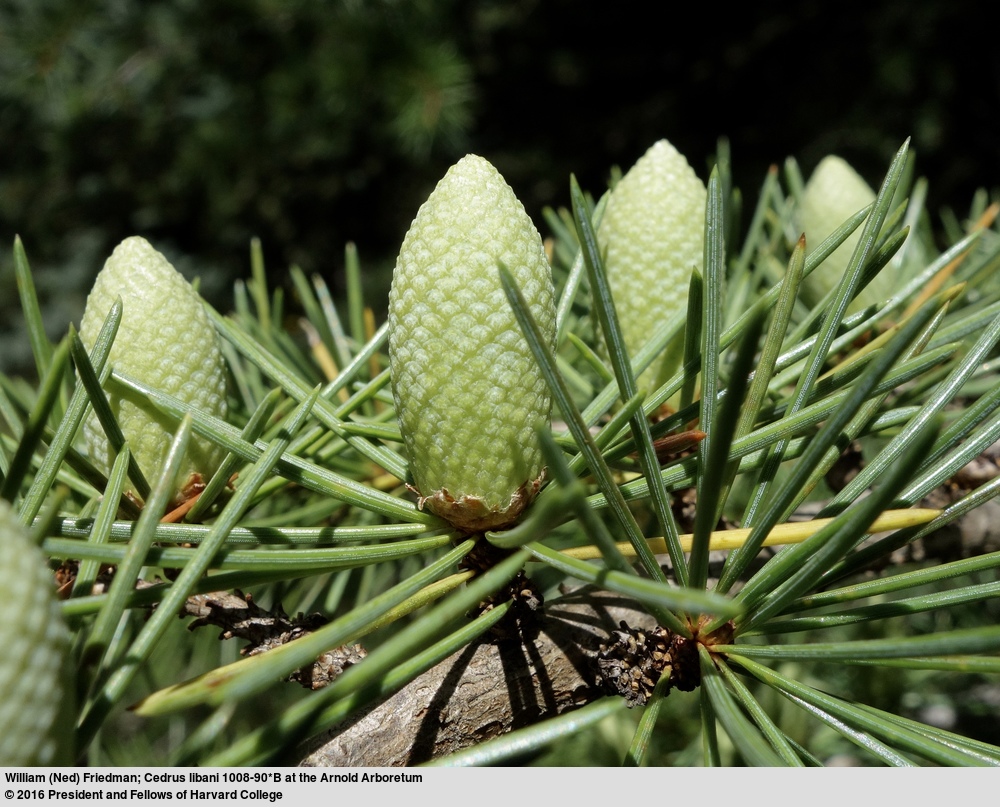
The Arboretum collections hail from over 60 countries, from Turkey and Morocco to Bhutan and Japan. Join Keeper of the Living Collections Michael Dosmann for a walk across the landscape and discover trees and shrubs from around the world. Along the way, you will learn about our collecting expeditions, what parts of the world we can and cannot collect from, and how the Arboretum uses microclimates and management techniques to grow plants from a wide range of countries.

*Rescheduled from April 19 due to rain.* If our ears were 100 times more powerful than they are, we would be able to hear the sounds produced by trees themselves: water moving through the trunks and branches, the creak of the wood in the wind, and small critters moving around in the wood or the canopy. We would even be able to hear how plants receive and respond to sound waves produced by other beings. Our ears are not this powerful, but artist, researcher, and Harvard Graduate School of Design fellow Jacek Smolicki has created microphones and recording systems that are. Join Jacek for an indoor introduction to his specialized microphone technology, then move outside for a walk to try out the microphones around the landscape and listen to the amplified sounds they create.
*Rescheduled from April 19 due to rain.* If our ears were 100 times more powerful than they are, we would be able to hear the sounds produced by trees themselves: water moving through the trunks and branches, the creak of the wood in the wind, and small critters moving around in the wood or the canopy. We would even be able to hear how plants receive and respond to sound waves produced by other beings. Our ears are not this powerful, but artist, researcher, and Harvard Graduate School of Design fellow Jacek Smolicki has created microphones and recording systems that are.
Join Jacek for an indoor introduction to his specialized microphone technology, then move outside for a walk to try out the microphones around the landscape and listen to the amplified sounds they create.

The Arnold is considered the “Mother Arboretum” for the modern crabapple, with over 50 species and 91 cultivars represented throughout the landscape. Join Assistant Curator of Living Collections Miles Sax and Horticulturist Lindsay Davies for a tour of the flowering crabapples on Peters Hill as they reach peak bloom in late April and May, and learn about the history and conservation of this fascinating collection.
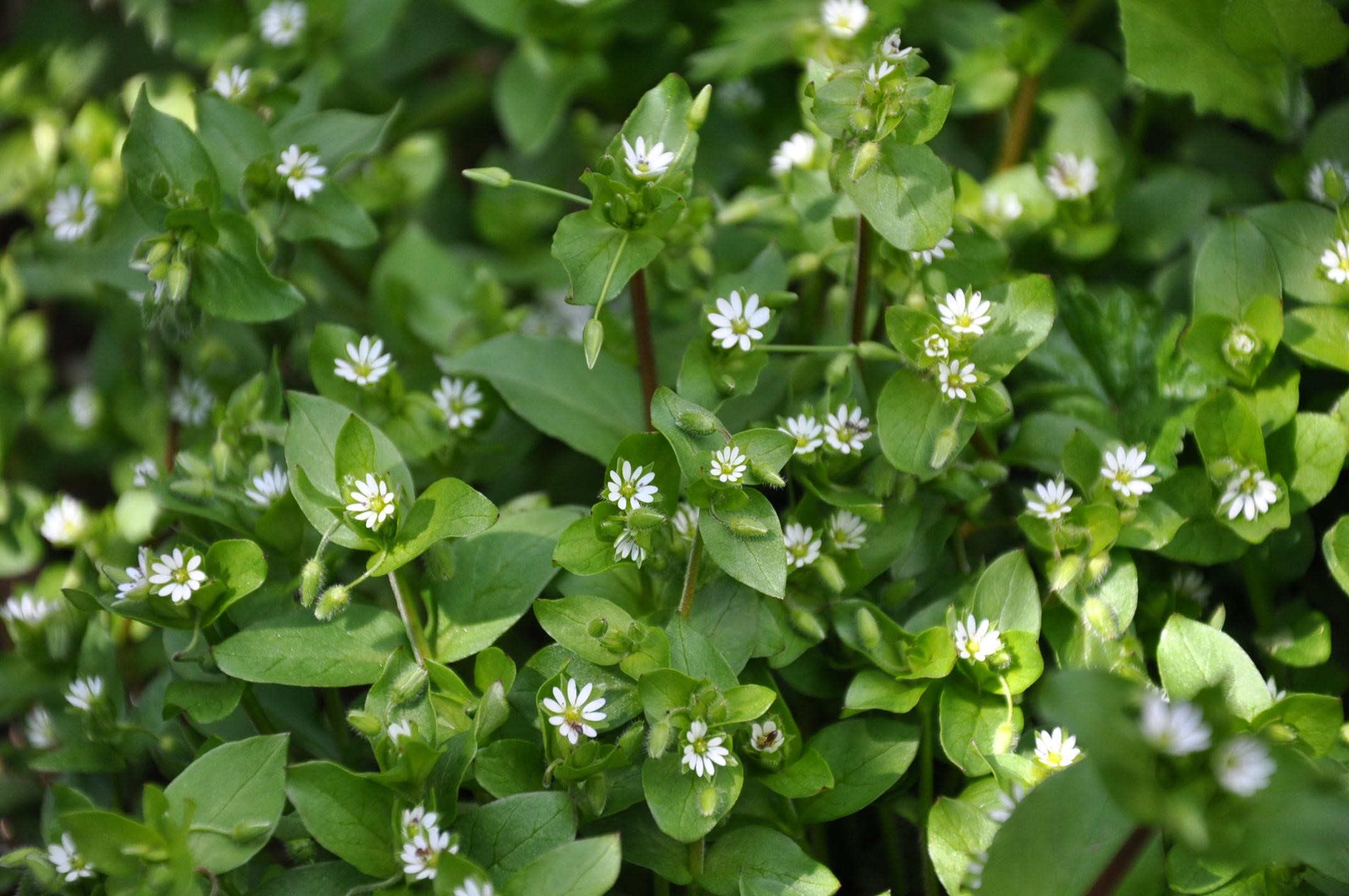
*Rescheduled from April 4 to May 2. As small, herbaceous plants begin to pop out of the soil and carpet the landscape, early spring is a great time to learn what some of these plants are and how to identify them. Join Manager of Adult Programming and Events Sarah Nechamen for a plant ID walk in the landscape and learn how to identify plants like chickweed, creeping charlie, and stinging nettle.

Hundreds of mushrooms hide beneath the Arboretum’s canopies, silently blossoming into unique forms then withering away again just as quickly. Join local mushroom enthusiast Maria Pinto to search for these fascinating organisms on the Arboretum grounds, both edible and poisonous alike. Along the way you will learn what mushrooms to look for in different habitats and seasons, how they move through ecosystems, and what the Arboretum’s unique collections affect what mushrooms you might find here.
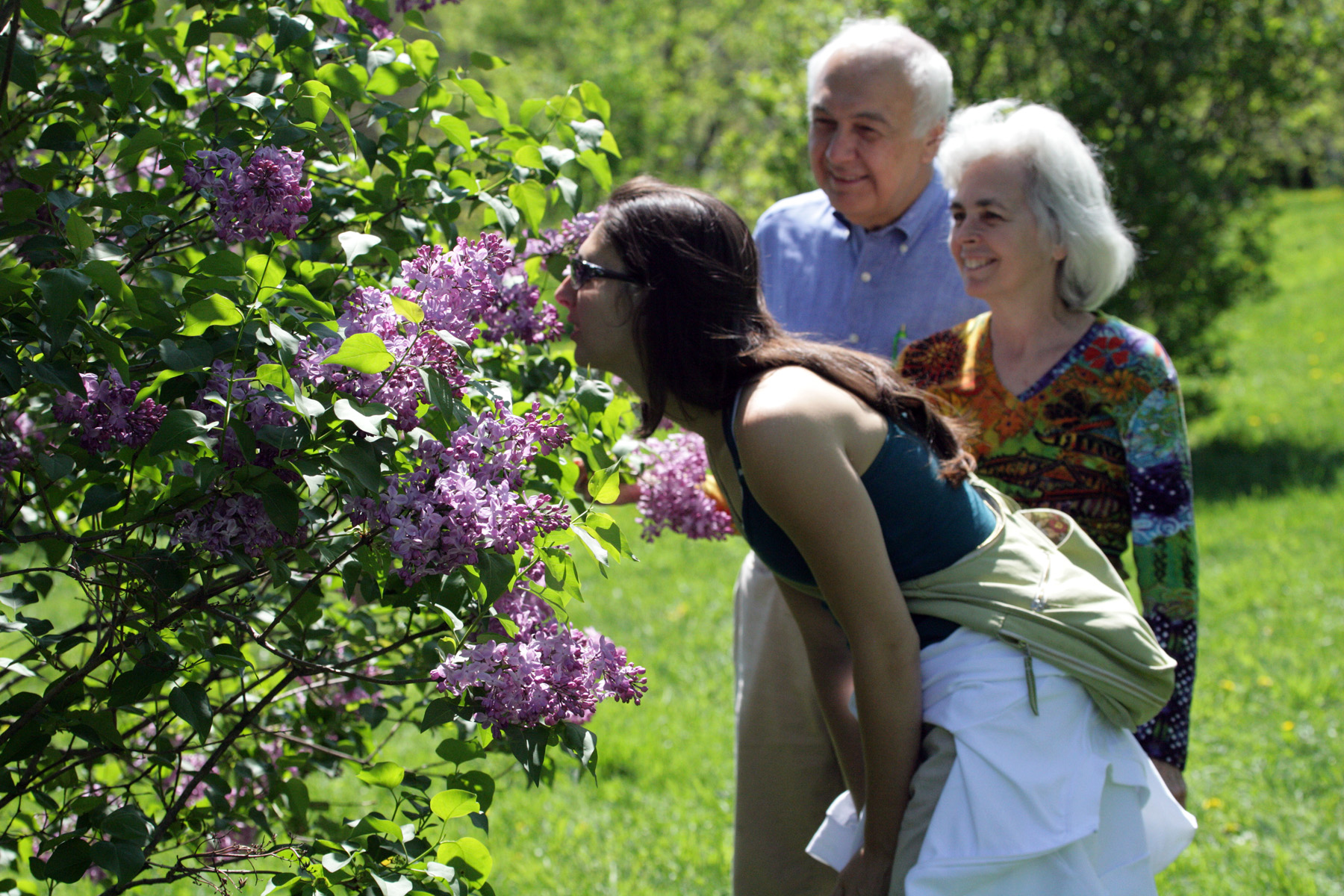
Lilacs are blooming in the Arboretum throughout the month of May, not only on Lilac Sunday! Join our enthusiastic docents on a 45-minute amble up the hill from the ponds to see the lilacs, enjoy their scents, and hear the stories of the many different lilacs in our collection.
Lilacs are blooming in the Arboretum throughout the month of May, not only on Lilac Sunday! Join our enthusiastic docents on a 45-minute amble up the hill from the ponds to see the lilacs, enjoy their scents, and hear the stories of the many different lilacs in our collection.
Lilacs are blooming in the Arboretum throughout the month of May, not only on Lilac Sunday! Join our enthusiastic docents on a 45-minute amble up the hill from the ponds to see the lilacs, enjoy their scents, and hear the stories of the many different lilacs in our collection.
Lilacs are blooming in the Arboretum throughout the month of May, not only on Lilac Sunday! Join our enthusiastic docents on a 45-minute amble up the hill from the ponds to see the lilacs, enjoy their scents, and hear the stories of the many different lilacs in our collection.
Lilacs are blooming in the Arboretum throughout the month of May, not only on Lilac Sunday! Join our enthusiastic docents on a 45-minute amble up the hill from the ponds to see the lilacs, enjoy their scents, and hear the stories of the many different lilacs in our collection.
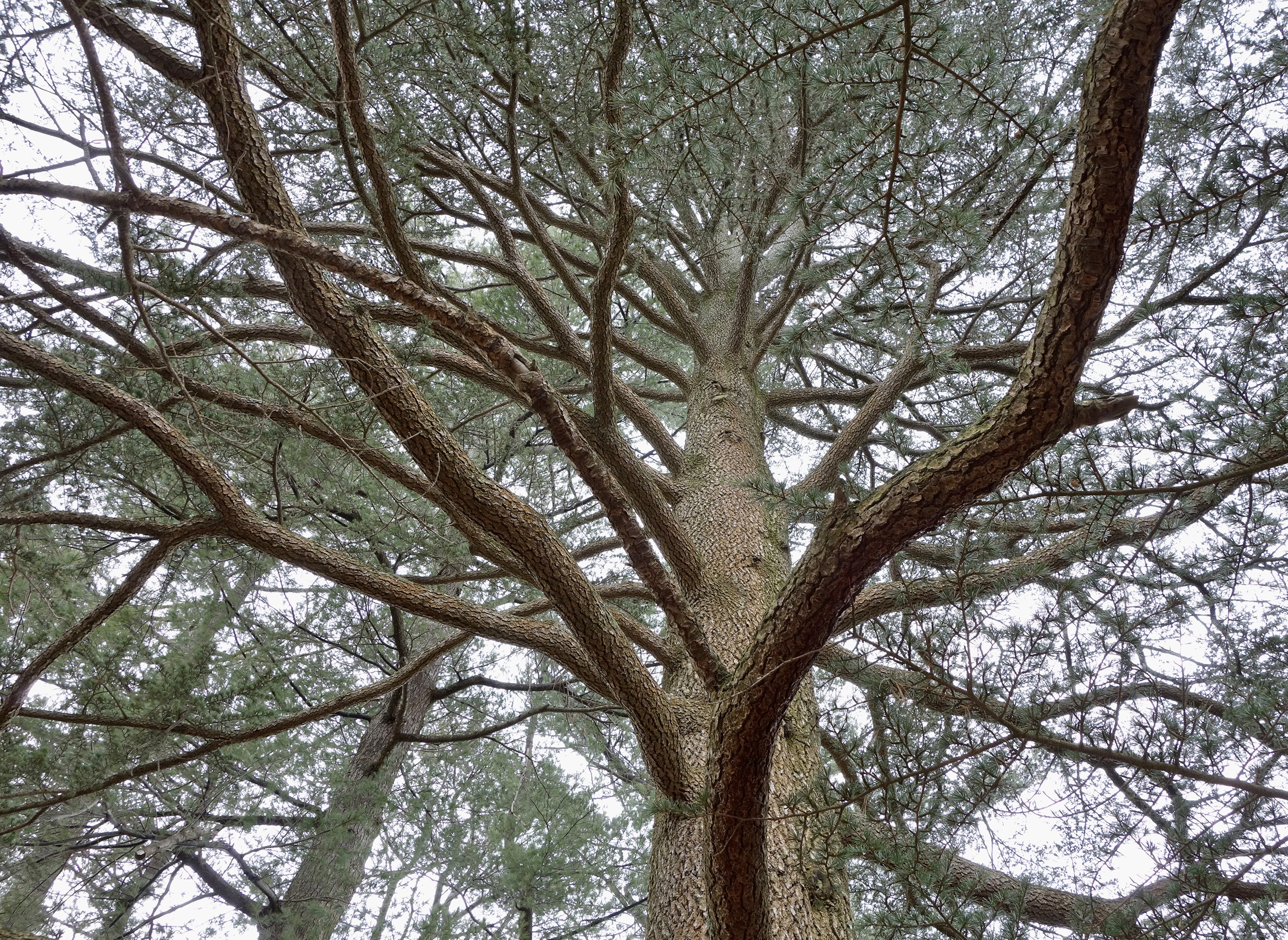
Join docent Paul Eldrenkamp for a visit to four groups of trees that each played a particularly significant role in shaping very different civilizations: Eastern White Pine, Cedar of Lebanon, Western Red Cedar, and the five sacred trees of the Kiso Forest in Japan.
Lilacs are blooming in the Arboretum throughout the month of May, not only on Lilac Sunday! Join our enthusiastic docents on a 45-minute amble up the hill from the ponds to see the lilacs, enjoy their scents, and hear the stories of the many different lilacs in our collection.
Lilacs are blooming in the Arboretum throughout the month of May, not only on Lilac Sunday! Join our enthusiastic docents on a 45-minute amble up the hill from the ponds to see the lilacs, enjoy their scents, and hear the stories of the many different lilacs in our collection.
Lilacs are blooming in the Arboretum throughout the month of May, not only on Lilac Sunday! Join our enthusiastic docents on a 45-minute amble up the hill from the ponds to see the lilacs, enjoy their scents, and hear the stories of the many different lilacs in our collection.
Lilacs are blooming in the Arboretum throughout the month of May, not only on Lilac Sunday! Join our enthusiastic docents on a 45-minute amble up the hill from the ponds to see the lilacs, enjoy their scents, and hear the stories of the many different lilacs in our collection.
Lilacs are blooming in the Arboretum throughout the month of May, not only on Lilac Sunday! Join our enthusiastic docents on a 45-minute amble up the hill from the ponds to see the lilacs, enjoy their scents, and hear the stories of the many different lilacs in our collection.
Lilacs are blooming in the Arboretum throughout the month of May, not only on Lilac Sunday! Join our enthusiastic docents on a 45-minute amble up the hill from the ponds to see the lilacs, enjoy their scents, and hear the stories of the many different lilacs in our collection.
Lilacs are blooming in the Arboretum throughout the month of May, not only on Lilac Sunday! Join our enthusiastic docents on a 45-minute amble up the hill from the ponds to see the lilacs, enjoy their scents, and hear the stories of the many different lilacs in our collection.
Lilacs are blooming in the Arboretum throughout the month of May, not only on Lilac Sunday! Join our enthusiastic docents on a 45-minute amble up the hill from the ponds to see the lilacs, enjoy their scents, and hear the stories of the many different lilacs in our collection.
The Explorers Garden rests in a microclimate just below the summit of Bussey Hill. This nearly five-acre site provides ideal growing conditions for many species that have been challenging to grow in less protected areas of the Arboretum. As such, it has proven to be a perfect testing ground for plants collected in the expeditions of E. H. Wilson in the early 1900s to the NACPEC (North America-China Plant Exploration Consortium) expeditions of our own time. Join docent Marie Herbert for a guided tour to learn more about some of the plants showcased in this special collection and to hear stories of the plant exploration expeditions that brought them to the Arboretum.
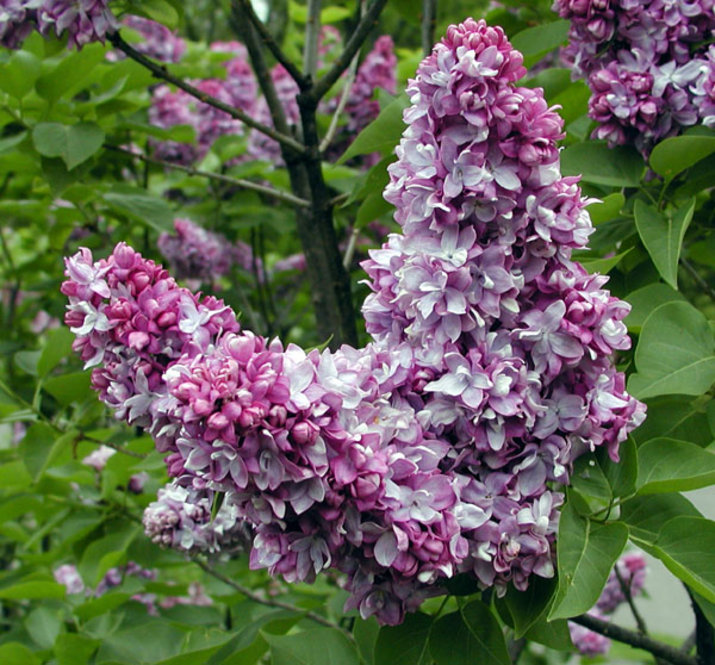
Stop by the lilac collection to chat with the Horticulturist who manages the Arboretum’s beautiful lilac shrubs. Horticulturist Conor Guidarelli will be there from 2:00pm to 4:00pm answering questions about caring for lilacs, the Arboretum’s lilac collection, and what it’s like to be a horticulturist here. No registration is required, just stop by!

During this tour we will discuss angiosperms, the largest and most diverse group in the plant kingdom. All flowering trees are angiosperms, but not all angiosperms reproduce in the same way, so you may not see blooms and flowers but plenty of leaves. Docent Katrina Scott will lead this interactive tour with stops for moments to reflect on specific trees and the stories associated with them. Were they revered or feared? A home for deities or tricksters? We will begin at the Center Street Gate starting at Jack Dawson’s shagbark hickory (1883) then head up Oak Path to Beech Path ending at Bussey Hill Road after visiting the ash trees of Norse mythology (Yggdrasil.).

The conifer collection at the Arnold Arboretum is a magical place to visit at any time of the year, as it is especially rich in history and diversity. Docent Cristina Squeff will lead participants through this collection explaining key identification features and sharing relevant stories about individual trees.
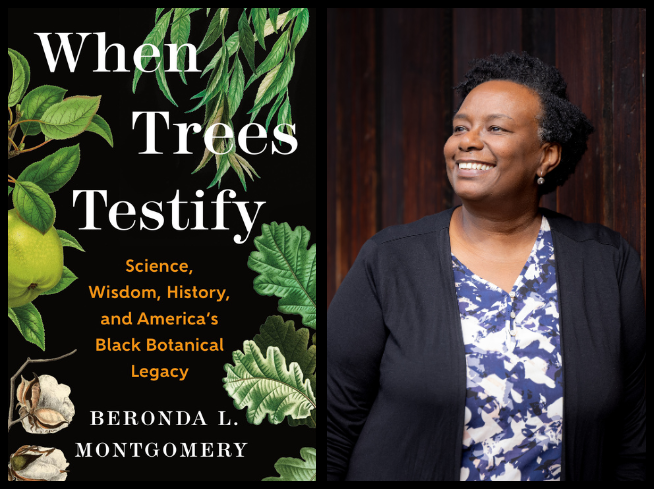
Join plant biologist and author Beronda Montgomery for a discussion of her new book, “When Trees Testify: Science, Wisdom, History, and America’s Black Botanical Legacy.” Montgomery explores the way that eight trees and shrubs testify to the experience of black Americans, from sycamores that acted as landmarks for those trying to escape slavery, to pecan propagation spearheaded by an enslaved African woman, to the traditional medicinal uses of willow bark in black communities. Montgomery takes us through black American history with trees and shrubs as our guides.
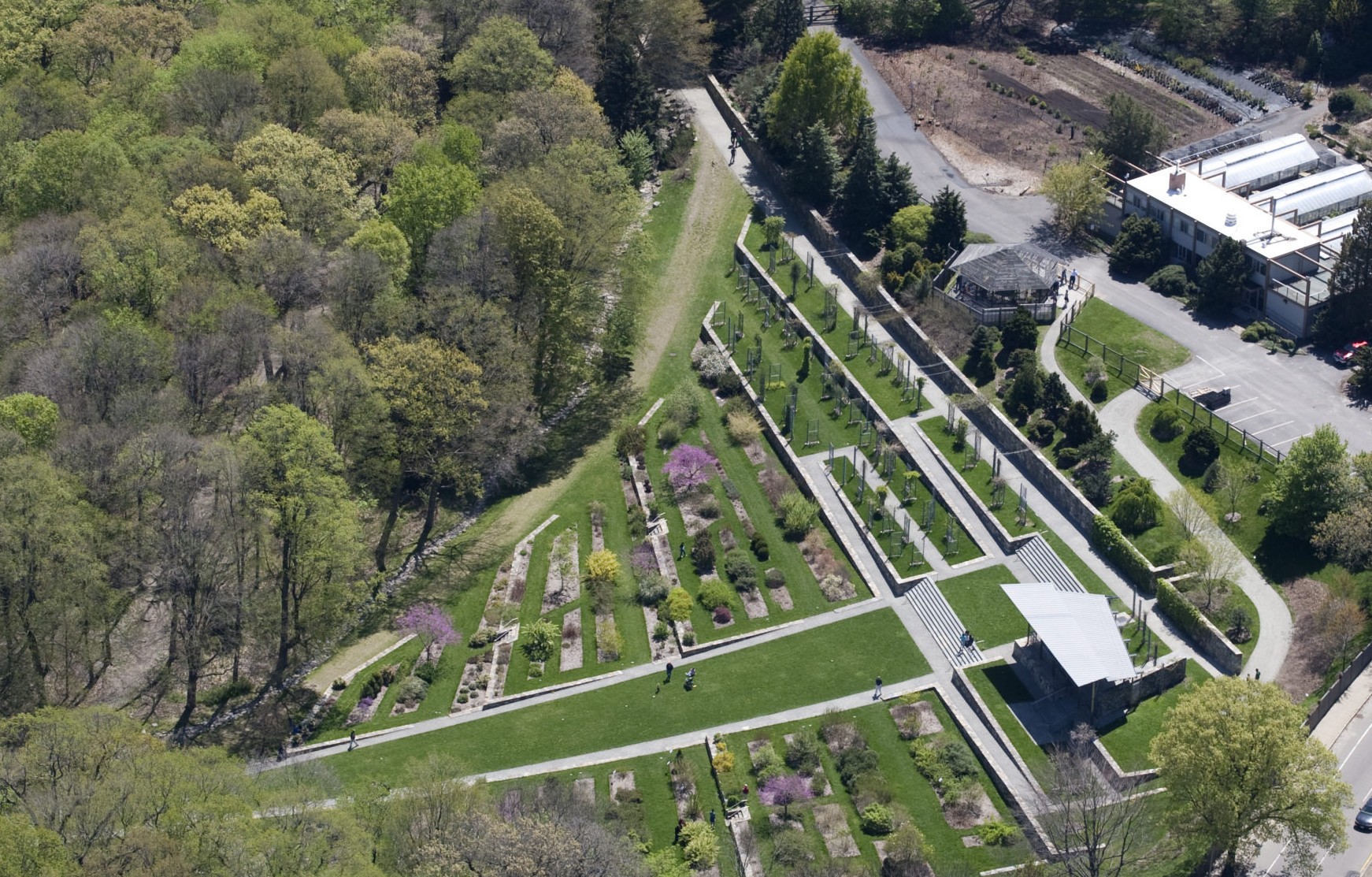
*Rescheduled from May 14 due to rain.* As the Leventritt Shrub and Vine Garden nears its 25th birthday, join the garden’s original architect and our own Keeper of the Living Collections to learn about the garden’s history, its design goals and principles, and how it has evolved in the past two decades. This program will begin with a short talk in the Hunnewell Lecture Hall, then move outdoors for a tour of the garden itself with Michael Dosmann and architect Gary Hilderbrand.
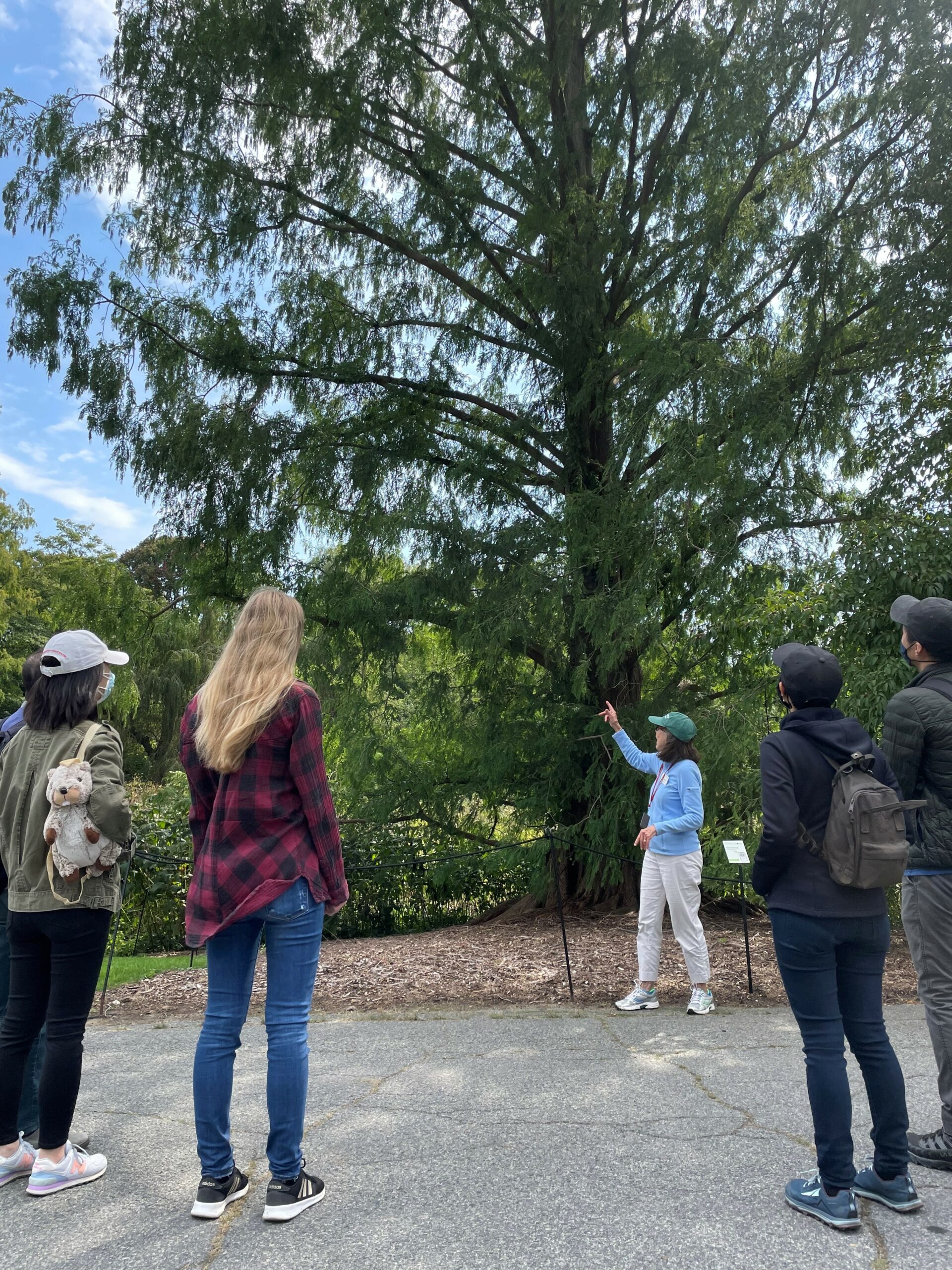
Explore part of the Arboretum’s 281 acre landscape, hear stories of the Arboretum’s history, get an introduction to some of the many woody plant collections, and enjoy what’s in bloom during this 90-minute, docent-led tour. This tour highlights areas near the Flora Way Gate including the Conifer Collection, Hemlock Hill, Rhododendron Dell and Valley Road.

As the Arboretum’s Bonsai and Penjing Collection heads back out to the pavilion for the warm season, join Bonsai Specialist Jun Imabayashi for a special up-close look at these rare specimens. Jun is the caretaker of the Arboretum’s bonsai collection and has a wealth of knowledge on the history of the Arboretum’s bonsai trees, bonsai care and maintenance, and the cultural significance of the bonsai art form.
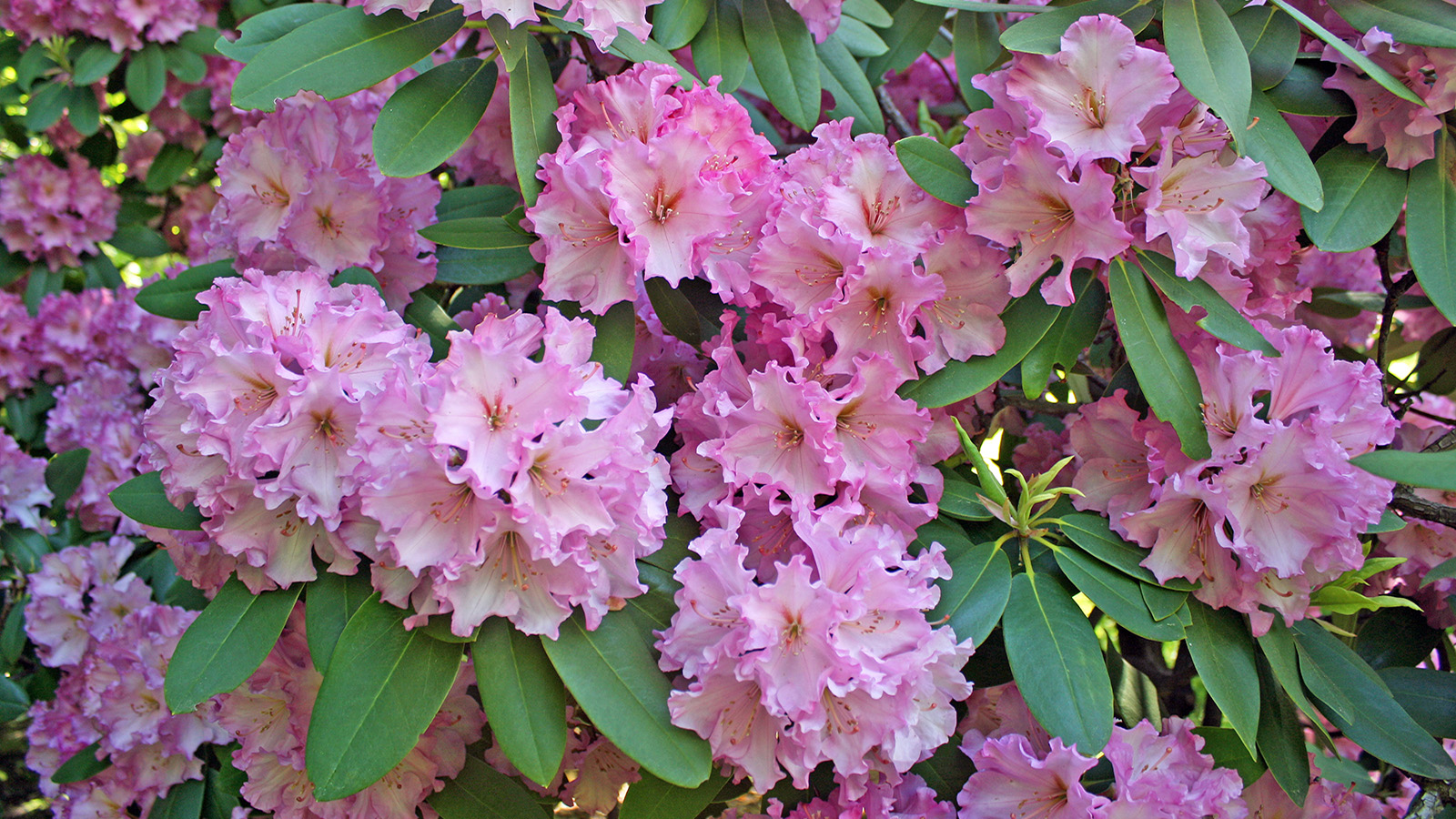
Stop by the rhododendron collection to chat with the Horticulturist who manages the Arboretum’s beautiful rhododendron shrubs. Horticulturist Brendan Keegan will be there from 2:00pm to 4:00pm answering questions about caring for rhododendrons, the Arboretum’s rhododendron collection, and what it’s like to be a horticulturist here. No registration is required, just stop by!
Explore part of the Arboretum’s 281 acre landscape, hear stories of the Arboretum’s history, get an introduction to some of the many woody plant collections, and enjoy what’s in bloom during this 90-minute, docent-led tour. This tour highlights areas near the Flora Way Gate including the Conifer Collection, Hemlock Hill, Rhododendron Dell and Valley Road.
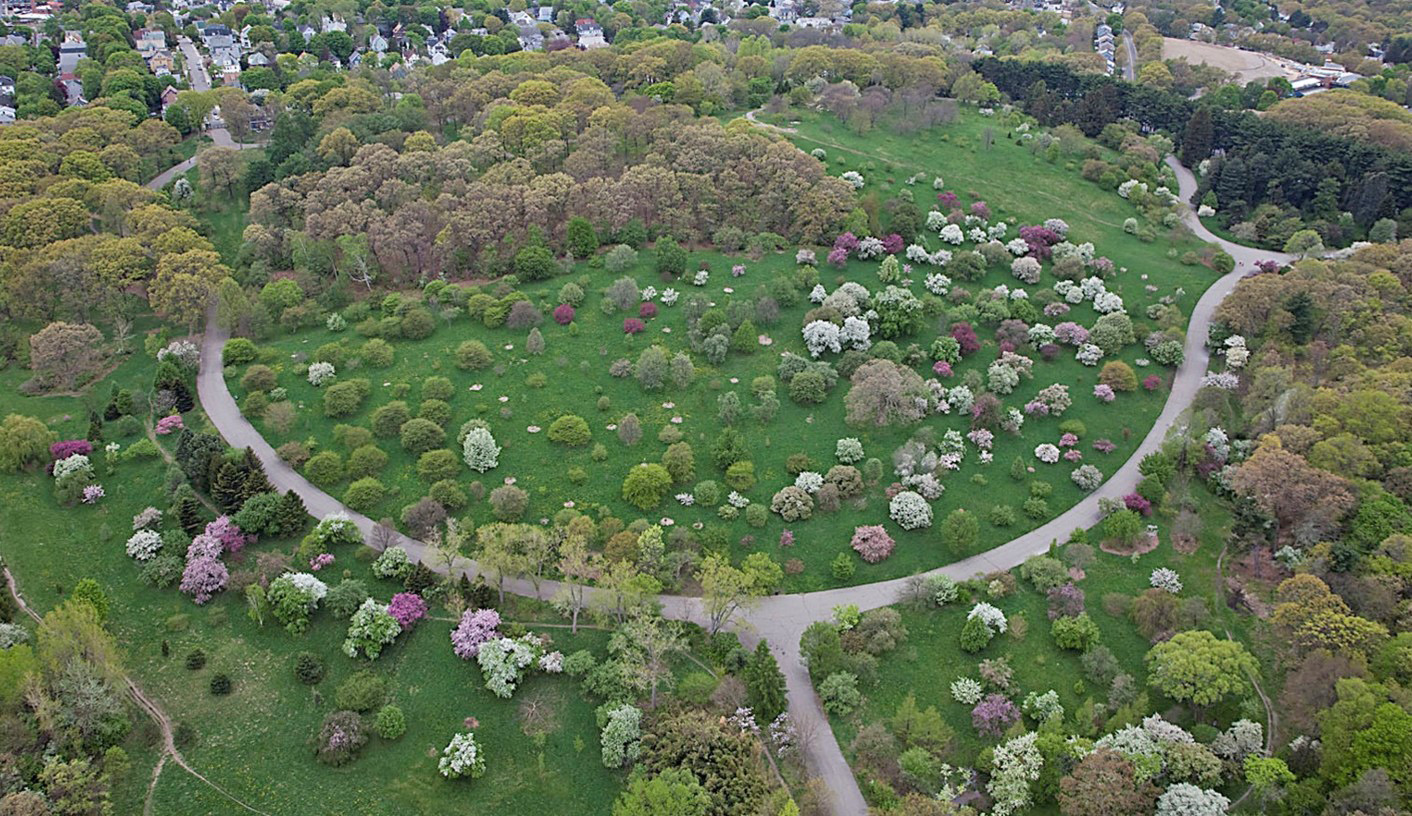
Learn about some of the amazing trees on Peters Hill during this ninety-minute tour led by docent Paul Eldrenkamp. You’ll get a chance to explore a few of the interesting collections in the landscape, learn about the history of this part of the Arboretum, and get a view of the Boston skyline from the second highest point in the city.
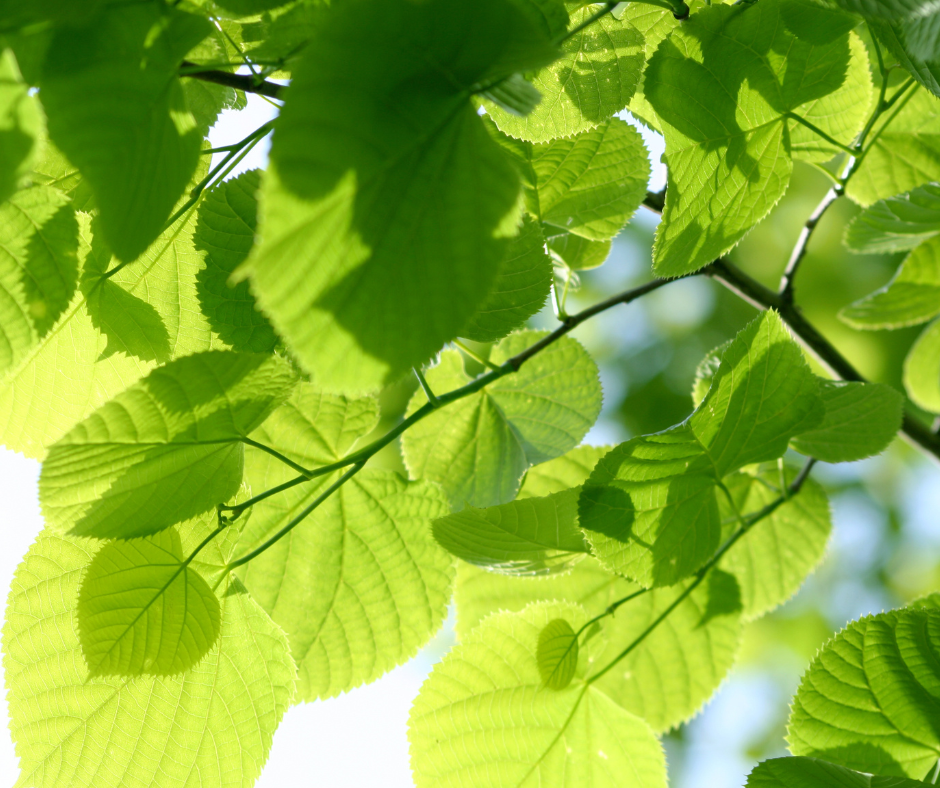
Can you identify the trees around you when you’re walking through the streets of Boston or hiking in New England forests? Join experienced horticulturist and plant science teacher Nicole Forsyth for a class on identifying common trees and shrubs in Massachusetts, from elms and honeylocust to lindens and witch-hazels. This class will begin indoors with a presentation in the lecture hall, and then move outside for some identification practice in the landscape.
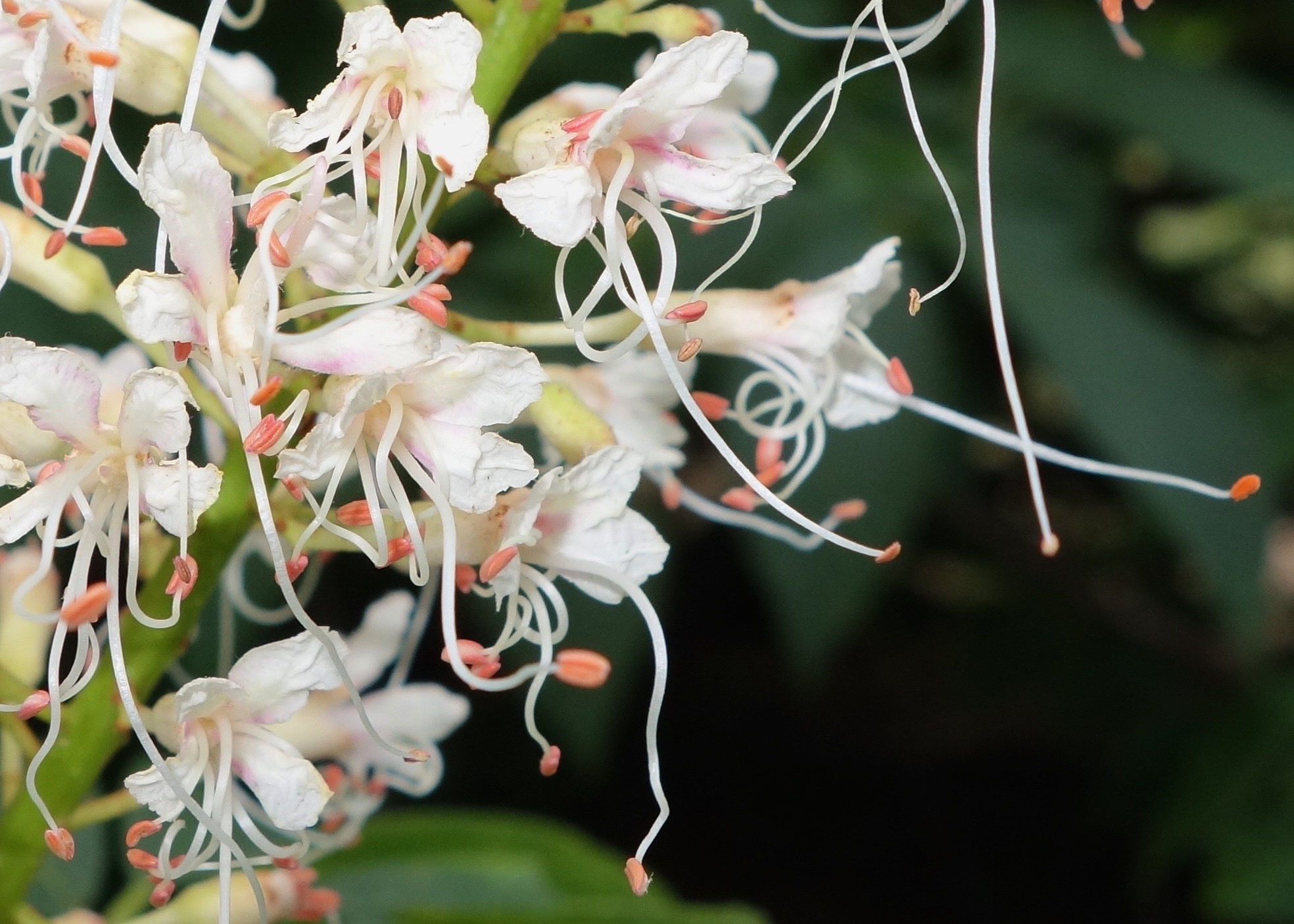
Join Manager of Adult Programming and Events Sarah Nechamen for a deep dive into the strangest parts of the plant world. This month’s theme is pollination: from flowers that hide underground to flowers that smell like rotting fruit, explore all of the weird and wonderful ways plants have found to get pollinated.
Explore part of the Arboretum’s 281 acre landscape, hear stories of the Arboretum’s history, get an introduction to some of the many woody plant collections, and enjoy what’s in bloom during this 90-minute, docent-led tour. This tour highlights areas near the Flora Way Gate including the Conifer Collection, Hemlock Hill, Rhododendron Dell and Valley Road.
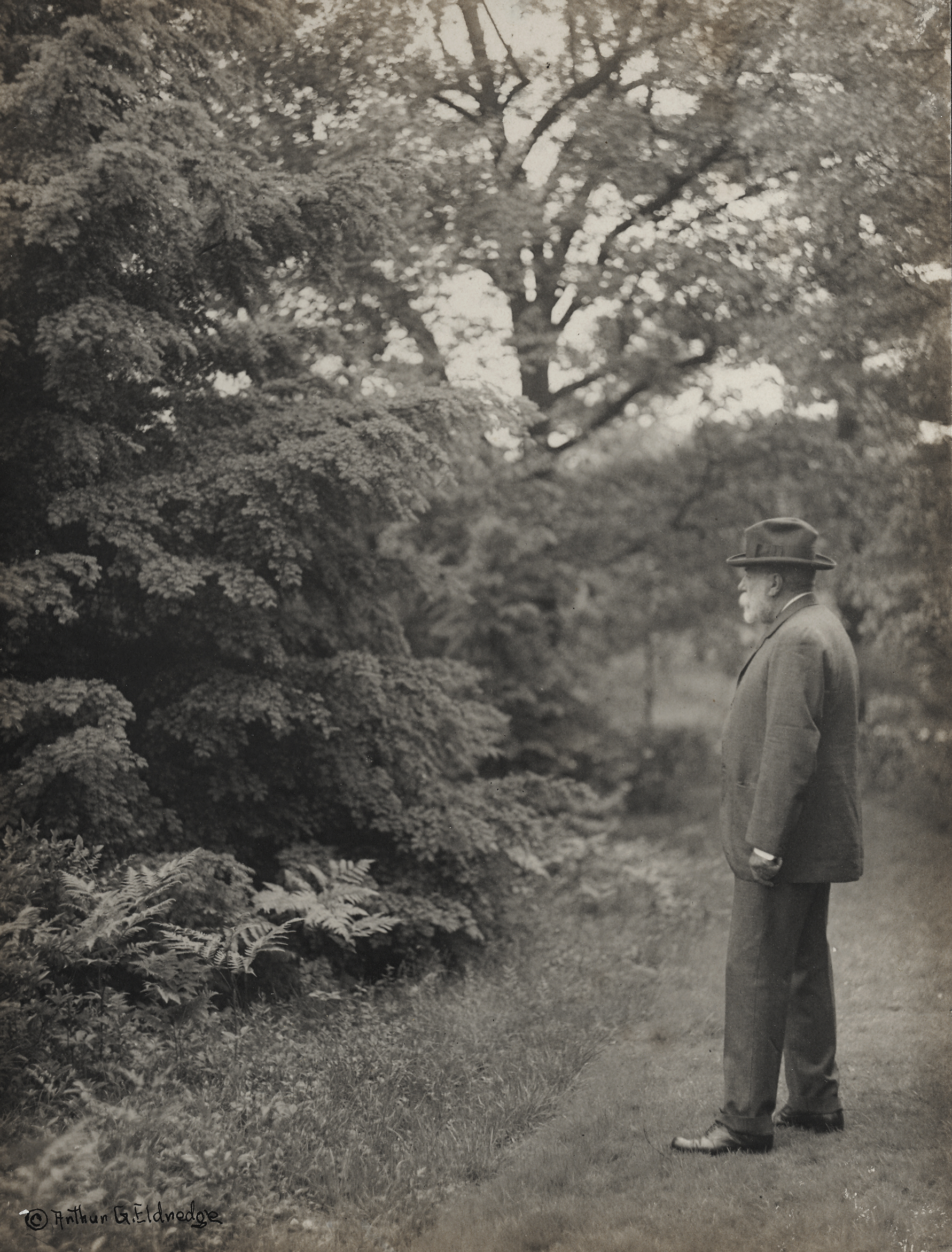
Many are aware of Charles Sprague Sargent’s role as first director of the Arnold Arboretum, establishing it as the world-renowned institution it is today. Far fewer are familiar with how his close relationships and prolific correspondence with figures of national and international prominence in the developing fields of botany, horticulture, forestry, and wilderness preservation or his leadership of seminal public sector projects such as his path-breaking survey of United States forests for the 1880 US Census shaped the American landscape far beyond the Arboretum’s walls. Docent Paul Eldrenkamp will lead a tour that explores the far-reaching influence — then and now– of the Arboretum’s first director.
Black swallow-wort is a highly invasive vine in the U.S. and Canada, but in Europe it grows benignly, kept in check by a number of insect herbivores that only live in that part of the world. But what if we could bring one of those insects to New England? Could it control this highly invasive plant? Professor Lisa Tewksbury from the University of Rhode Island has released a number of Hypena opulenta moths in the Arboretum to see if it would control the black swallow-wort here, and now it’s time to return to that part of the landscape and see if the experiment has worked. Join Professor Tewksbury for a Research Spotlight to learn about her work and see if we can find evidence of Hypena opulenta larva on the black swallow-wort plants here.
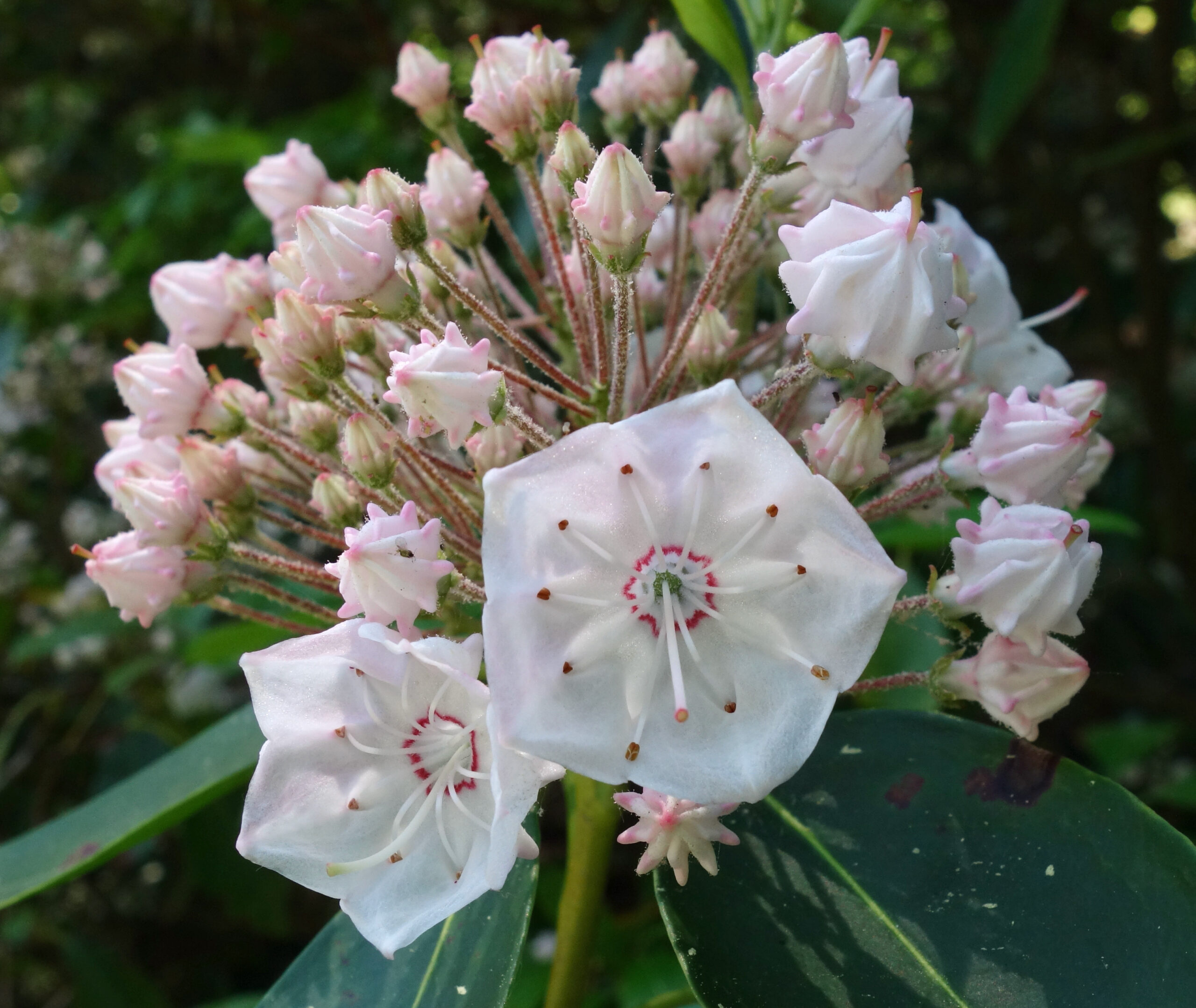
Mountain laurels are as fascinating as the are beautiful, with stamens that catapult pollen onto their pollinators and wood that is so easy to carve that it was nicknamed “spoonwood.” Join Horticulturist Brendan Keegan for a walk to learn about the botany, ecology, and cultural significance of these beautiful flowers at peak bloom.
Explore part of the Arboretum’s 281 acre landscape, hear stories of the Arboretum’s history, get an introduction to some of the many woody plant collections, and enjoy what’s in bloom during this 90-minute, docent-led tour. This tour highlights areas near the Flora Way Gate including the Conifer Collection, Hemlock Hill, Rhododendron Dell and Valley Road.
Frederick Law Olmsted, considered the father of landscape architecture, designed some 500 public spaces in North America. The Arnold Arboretum is the only arboretum he designed, a National Historic Landmark, and a model for others around the world. Docent Bill Beizer, will identify the elements of the Arboretum that best reflect Olmsted’s philosophy and approach to landscape design.
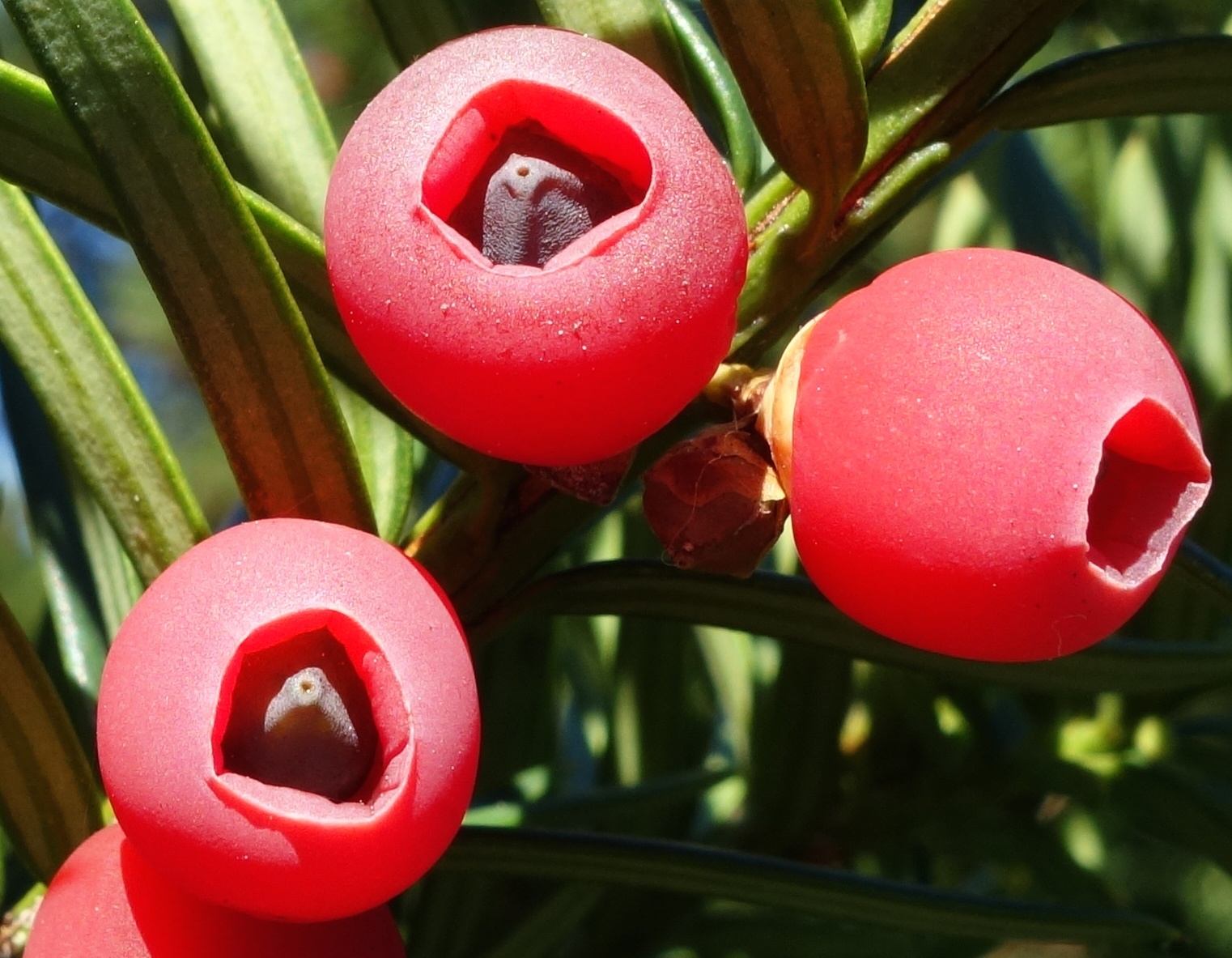
*Rescheduled from May 30 due to weather.* Hidden among the beautiful flowers and innocent-looking shrubs of the Arboretum are some of the world’s most sinister poisons. White snakeroot, yew and even the beloved rhododendron are all filled to the brim with toxins that have both enticed and tormented people for generations. Join Manager of Adult Programming and Events Sarah Nechamen for a walk to learn about these poisonous plants, the chemicals they contain, and the strange histories they carry with them.
During this tour we will discuss angiosperms, the largest and most diverse group in the plant kingdom. All flowering trees are angiosperms, but not all angiosperms reproduce in the same way, so you may not see blooms and flowers but plenty of leaves. Docent Katrina Scott will lead this interactive tour with stops for moments to reflect on specific trees and the stories associated with them. Were they revered or feared? A home for deities or tricksters? We will begin at the Center Street Gate starting at Jack Dawson’s shagbark hickory (1883) then head up Oak Path to Beech Path ending at Bussey Hill Road after visiting the ash trees of Norse mythology (Yggdrasil.).