Trees that Shaped Civilization
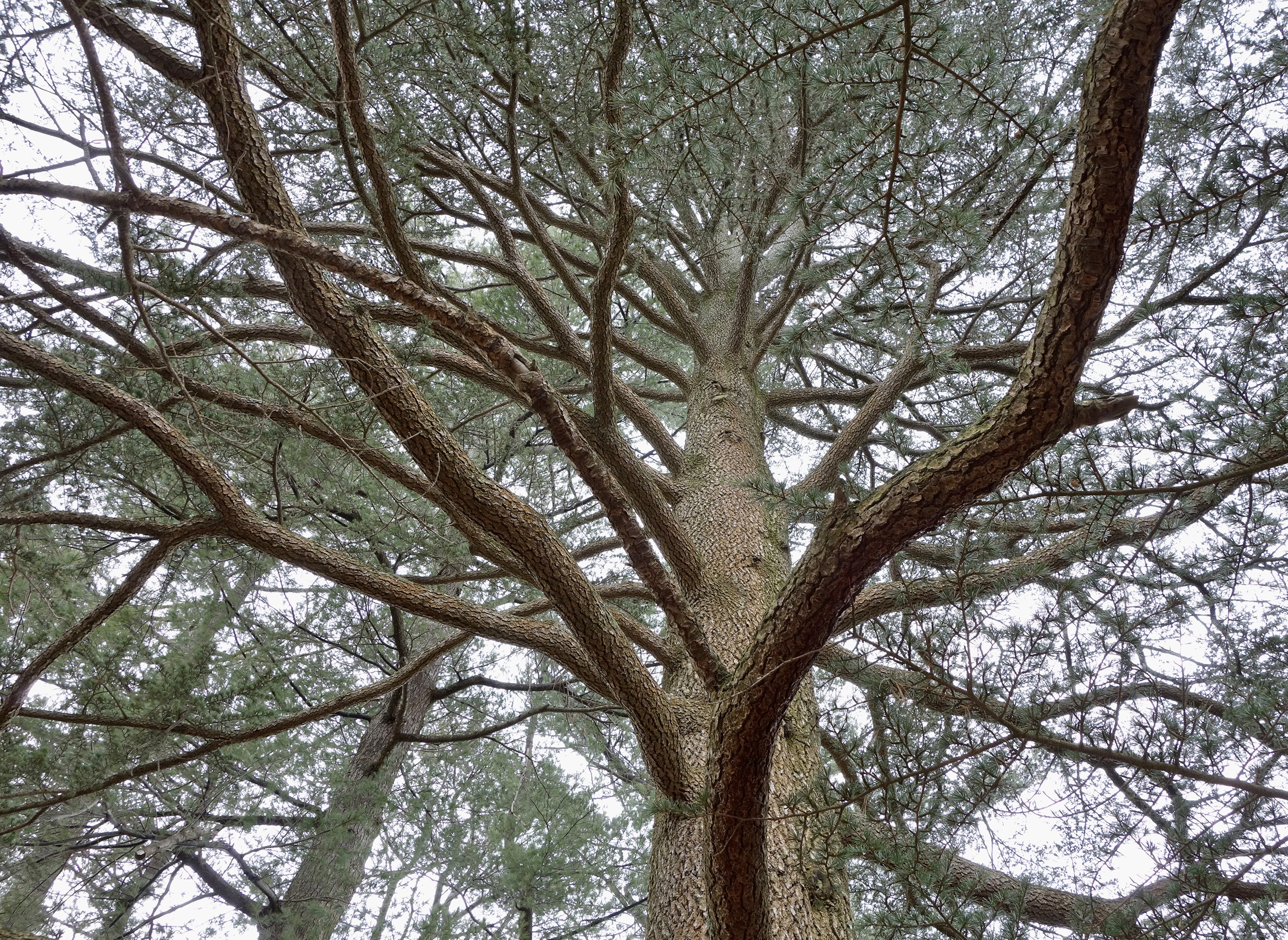
Join docent Paul Eldrenkamp for a visit to five groups of trees that each played a particularly significant role in shaping five very different civilizations: Eastern White Pine, Cedar of […]
Exhibits

Guided Tours
Plan Your Visit
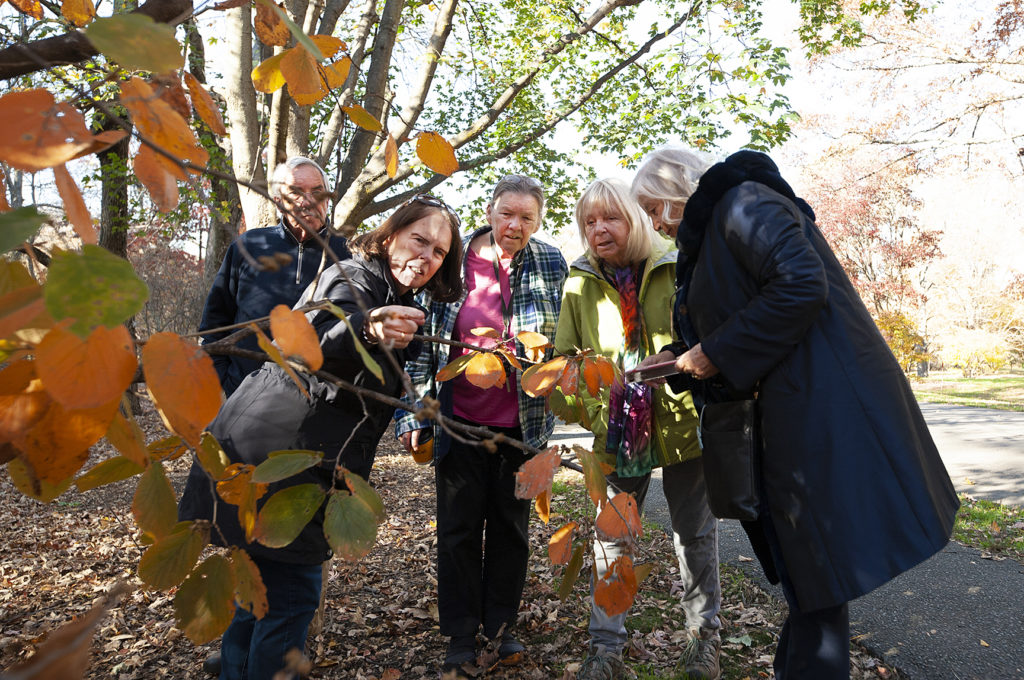
Join docent Paul Eldrenkamp for a visit to five groups of trees that each played a particularly significant role in shaping five very different civilizations: Eastern White Pine, Cedar of […]

Join docent Lisa Gaquin for a brisk early morning walk along the inside perimeter of the Arboretum. This walk will be fast-paced, energetic, and will involve walking over hills and rough terrain. Note that this is not a traditional tour: you may hear some information about individual trees and history, but the main goal is to get outside and get some exercise! Bring good walking shoes, water, and walking poles if desired.

As a lead-up to our Haunted Botany performance piece about the colonial histories of Eastern White Pine, join Materials Science Professor Lorna Gibson for a Tree Mob on tree species that were used to build colonial ships. From dense oak hulls designed to withstand cannonballs, to tall, straight masts made out of towering pine trees, each tree species was selected for its own unique strengths– both in the forest and at sea.

The Explorers Garden rests in a microclimate just below the summit of Bussey Hill. This nearly five-acre site provides ideal growing conditions for many species that have been challenging to grow in less protected areas of the Arboretum. As such, it has proven to be a perfect testing ground for plants collected in the expeditions of E. H. Wilson in the early 1900s to the NACPEC (North America-China Plant Exploration Consortium) expeditions of our own time. Join docent Marie Herbert for a guided tour to learn more about some of the plants showcased in this special collection and to hear stories of the plant exploration expeditions that brought them to the Arboretum.
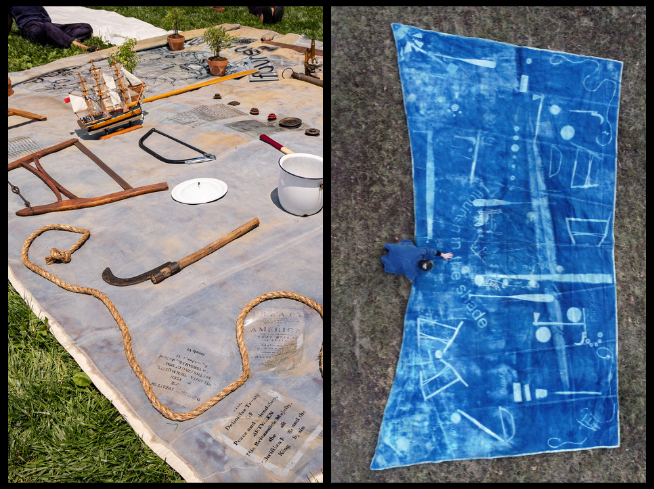
The towering Eastern White Pine once dominated New England forests and served as an important symbol for Indigenous peoples, but the British Royal Navy’s thirst for tall, straight, trees to use as ship masts eventually led to the destruction of the vast majority of old growth pines in Massachusetts. Join Gwyneth Shanks and AB Brown for a performance piece highlighting Pinus strobus’s dramatic colonial history in which American settlers fought back against King George’s large-scale destruction of their forests, leading to direct resistance, riots, and eventually to the Boston Tea Party itself.
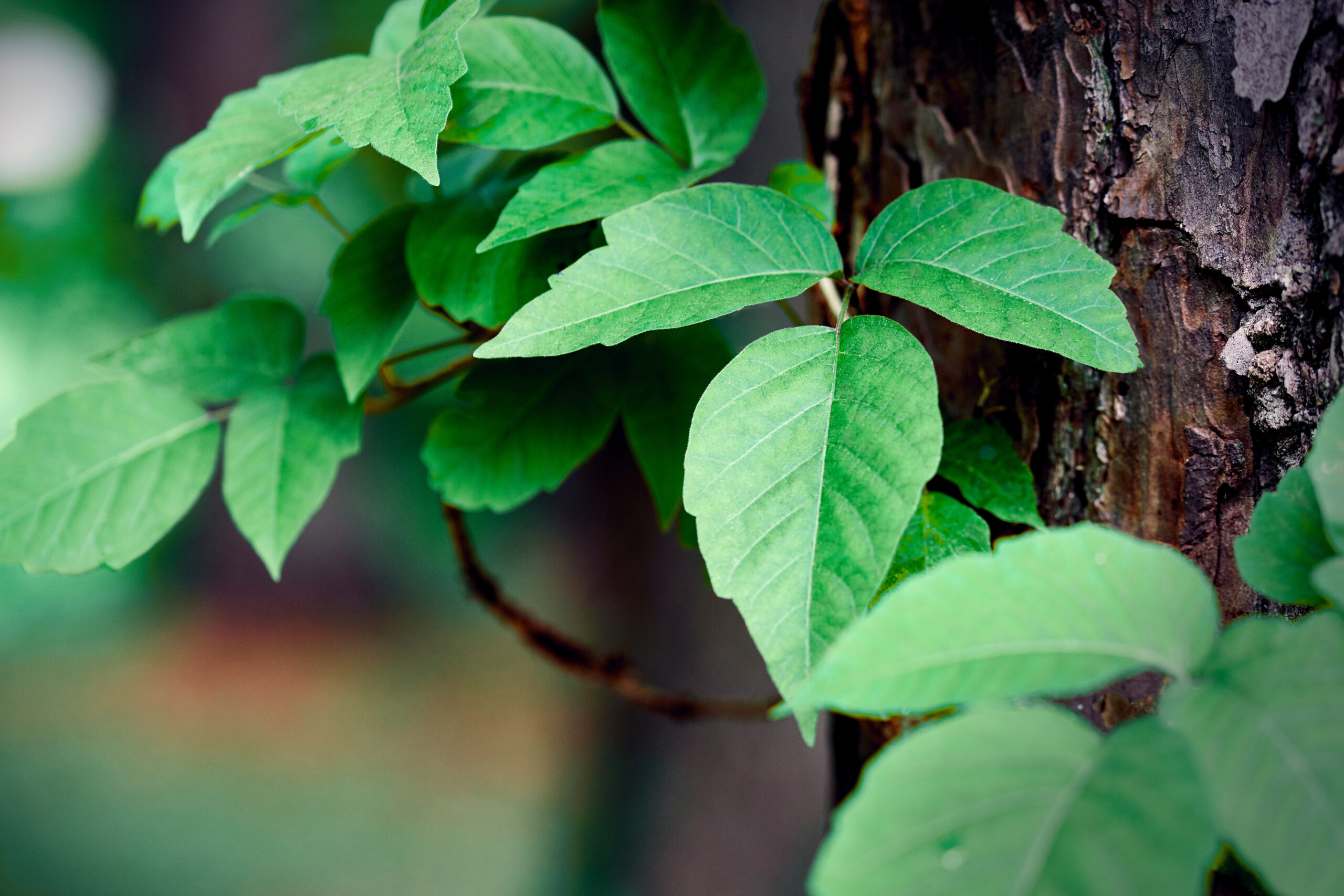
As we ramp up for the spooky season of Halloween, join the Manager of Adult Programming and Events for a walk focused on the most sinister plants in the Arboretum’s collections. Armed with spiky thorns, sticky latex, and chemical warfare, these sinister species defend themselves from hungry herbivores—and sometimes from humans who wander too close.

The Arboretum becomes a riot of color in the fall with leaves turning deep red, fiery orange, and bright yellow. Have you ever wondered why this happens every autumn? Outdoor Educator Ana Maria Caballero will take us through the science of fall leaf color, including an exploration of pigments and abscission, a hands-on experiment to reveal the array of pigments present in every leaf, and a walk in the landscape to take a closer look at leaves in all phases of color change.
Docent Katrina Scott will lead this interactive tour with stops for moments to reflect on specific trees and the stories associated with them. Were they revered or feared? A home for deities or tricksters? We will begin at the Walter Street Gate to visit the oldest ginkgoes at the Arboretum, then head up the Conifer Path and diverge to walk, rest, and reflect among various conifers, eventually ending by the yews near Bussey Brook and Hemlock Hill Road.
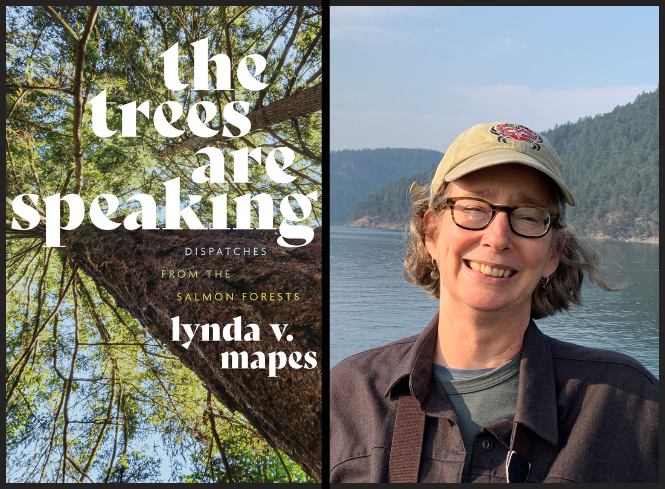
The old-growth forests of Oregon and Washington play a vital role in the ecosystems there, supporting a wide diversity of life and sequestering carbon in enormous, long-living trees. The east coast, by contrast, has been logged and clear cut for generations and has precious little old-growth forest left. Join environmental journalist and Bullard Fellow at Harvard Forest, Lynda Mapes, for a talk about her book “The Trees are Speaking: Dispatches from the Salmon Forests.” In this thought-provoking new book, Mapes interviews scientists, loggers, and Indigenous activists to answer deep questions about the importance of old-growth forests, the conflicting desires around how to manage them, and how we can protect these forests into the future.
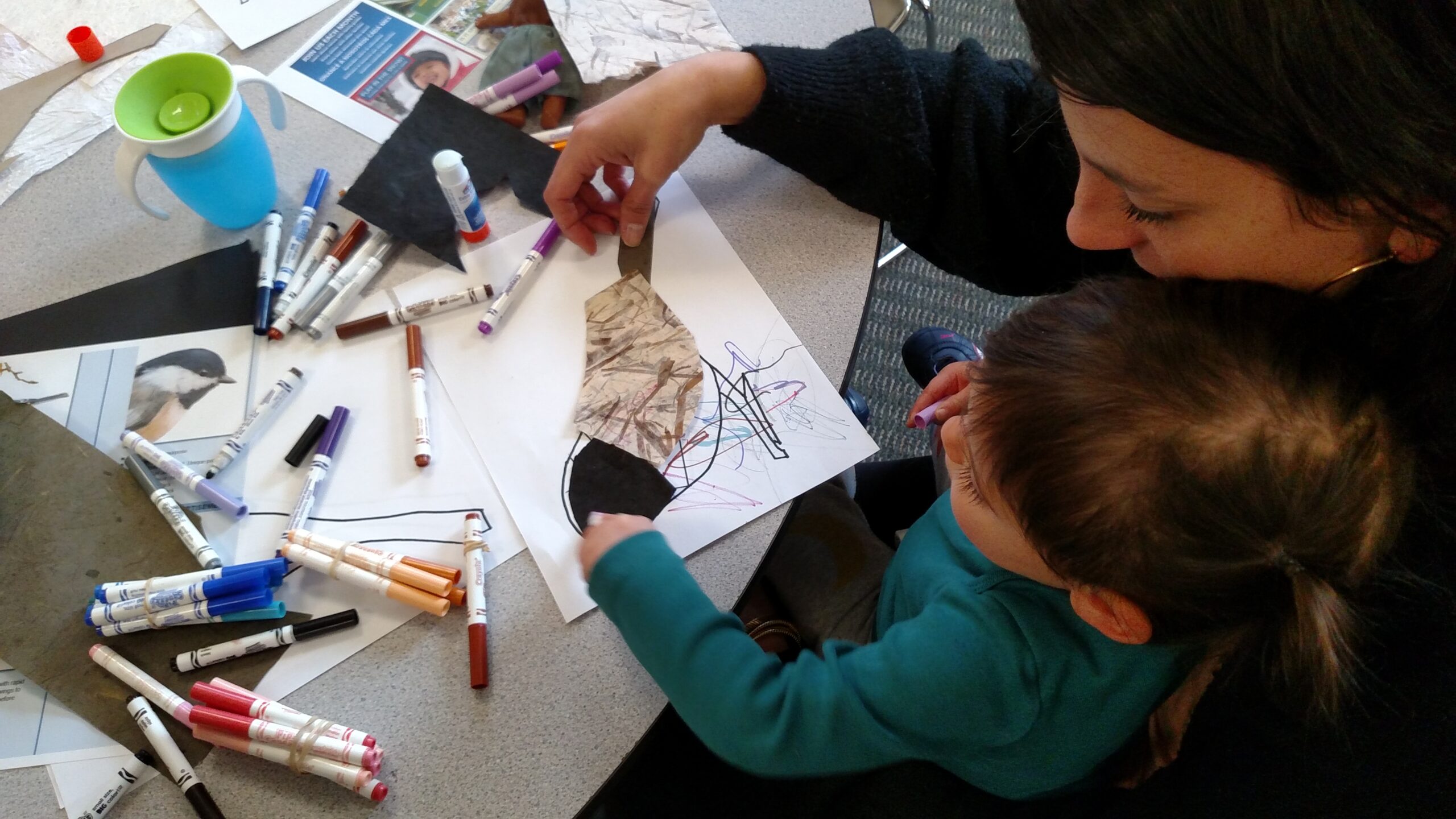
Join us at the Arboretum as we read and discover new things about the natural world. During this one-hour program for our youngest guests and their grownups, we will read a nature inspired story, do a craft, and go for a nature walk to continue exploring the theme. The weekly themes are inspired by what is happening seasonally at the Arboretum.
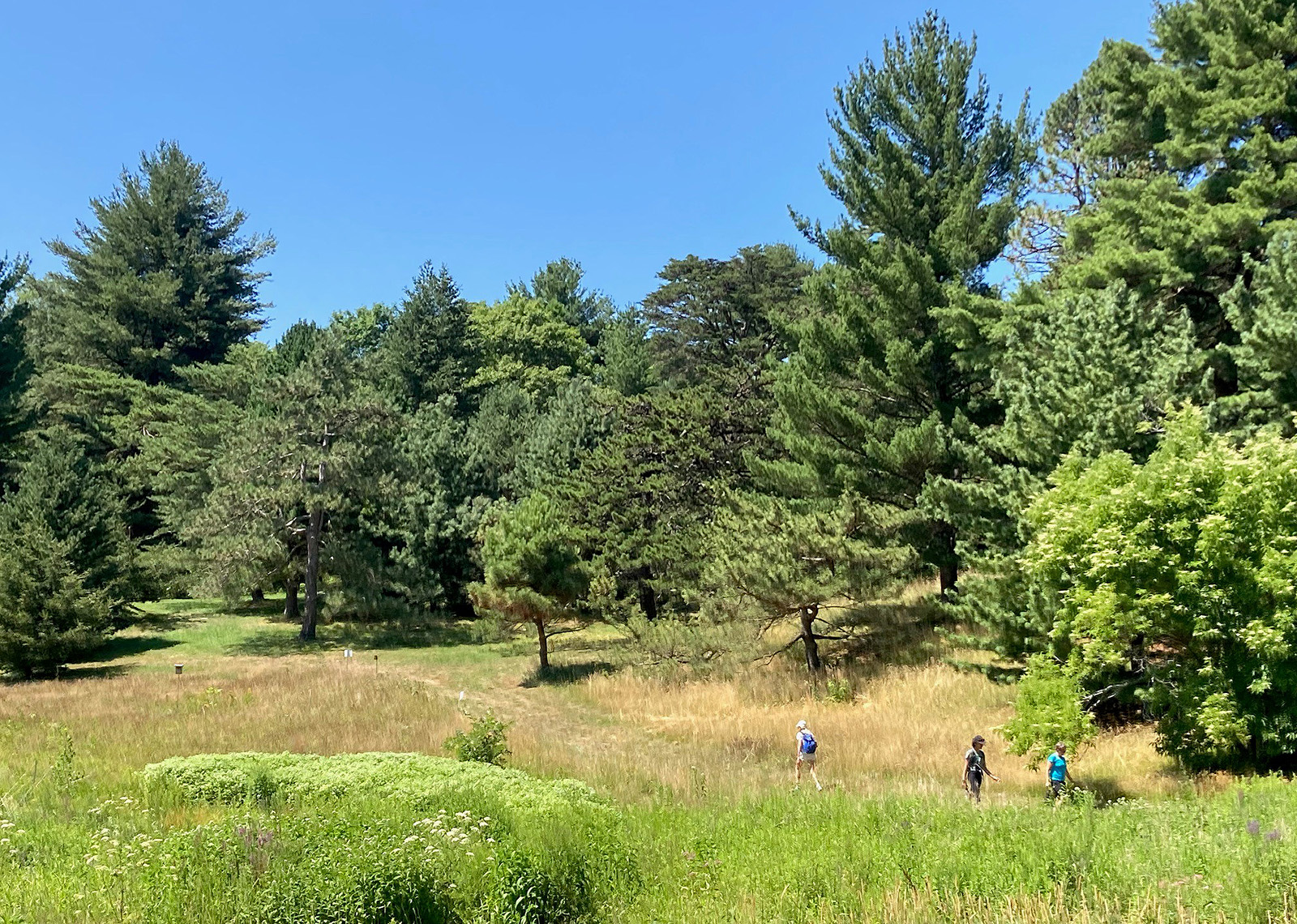
The conifer collection at the Arnold Arboretum is a magical place to visit at any time of the year, as it is especially rich in history and diversity. Docent Cristina Squeff will lead participants through this collection explaining key identification features and sharing relevant stories about individual trees.
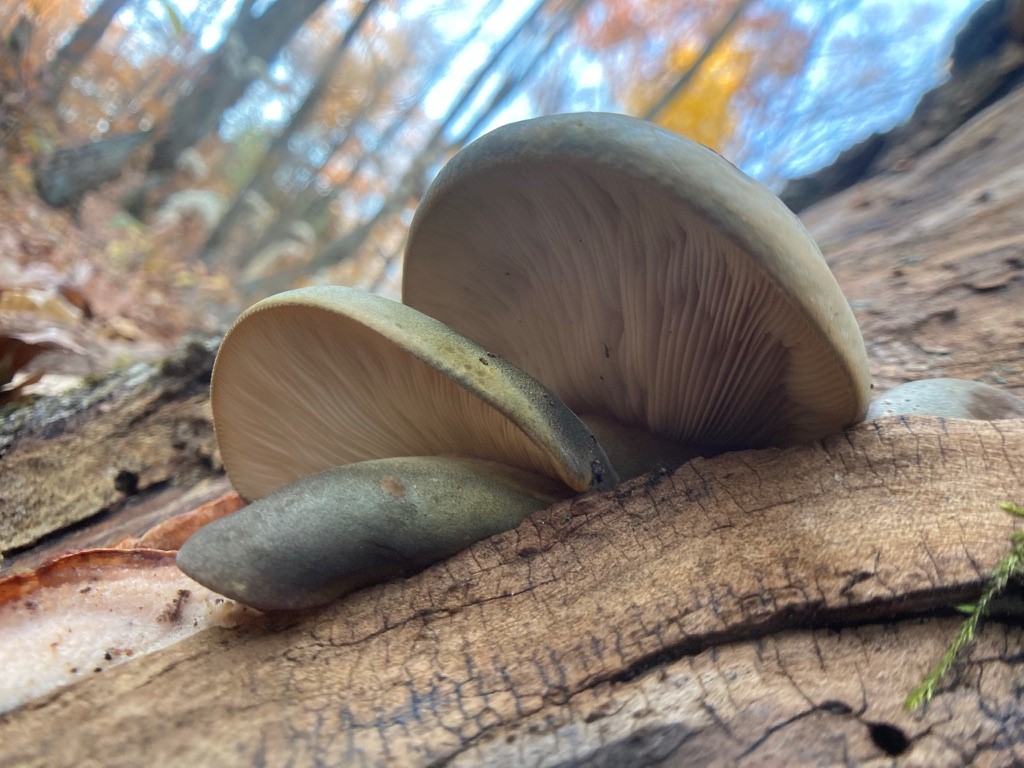
Hundreds of mushrooms hide beneath the Arboretum’s canopies, silently blossoming into unique forms then withering away again just as quickly. Join local mushroom enthusiast Maria Pinto to search for these fascinating organisms on the Arboretum grounds, both edible and poisonous alike. Along the way you will learn what mushrooms to look for in different habitats and seasons, how they move through ecosystems, and what the Arboretum’s unique collections affect what mushrooms you might find here.
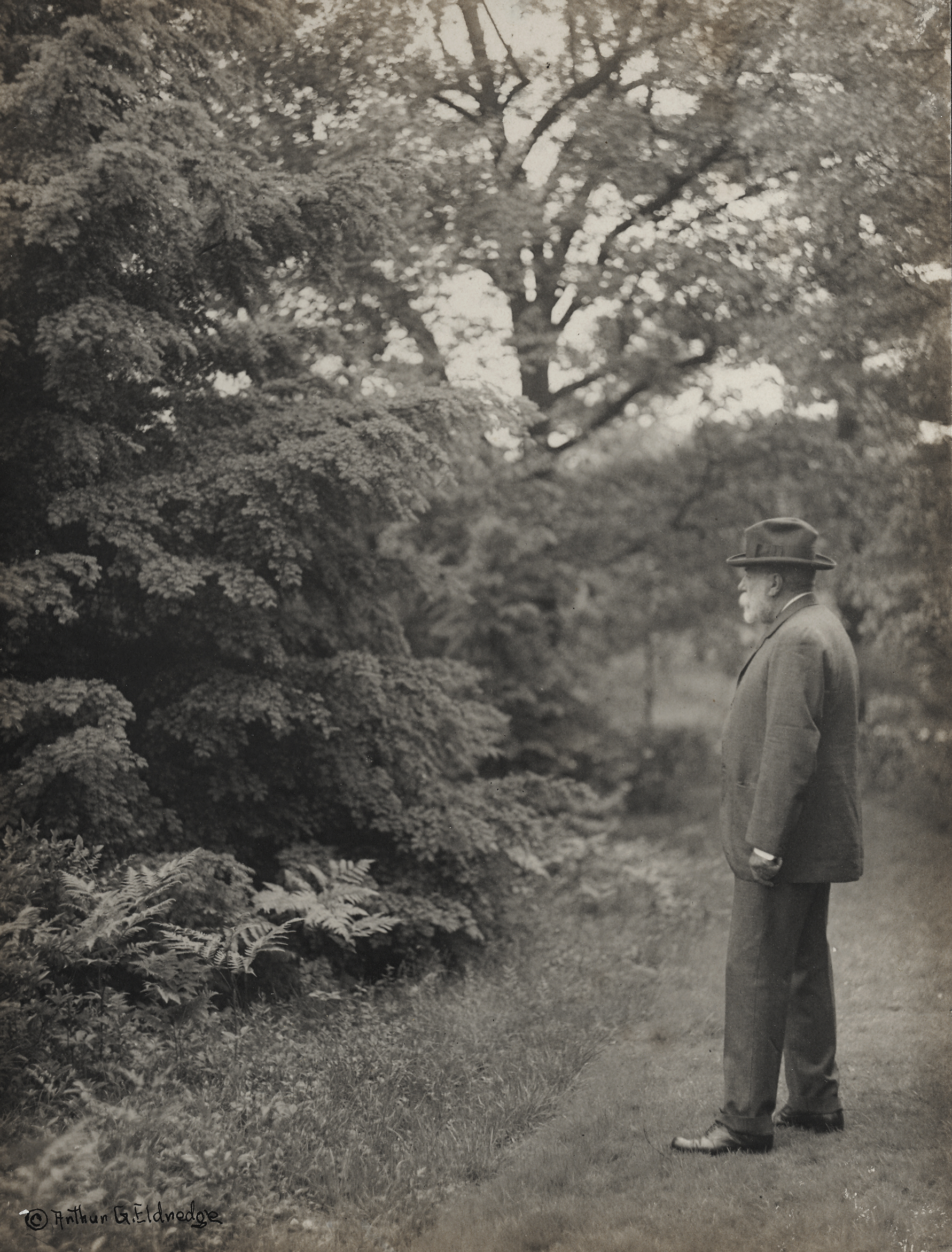
Many are aware of Charles Sprague Sargent’s role as first director of the Arnold Arboretum, establishing it as the world-renowned institution it is today. Far fewer are familiar with the deep influence he had over how Americans have come to think about forests, forestry, and wilderness. Docent Paul Eldrenkamp will lead a tour that explores the history of the idea of the forest in America- and how Sargent helped shape that idea.

With a park as large as the Arboretum, a bike ride is one of the best ways to see the entire landscape in one trip. Join Director of Horticulture and Landscape (and personal bike enthusiast) Rodney Eason for a bike tour of the Arboretum: we will begin in front of the Hunnewell Building and ride all the way to Peters Hill, stopping to learn about various collections along the way. Rodney will share his expertise on the maples, hickories, mountain laurels, ginkgoes, paw paws, and more, before getting back on our bikes and pedaling to the next stop!
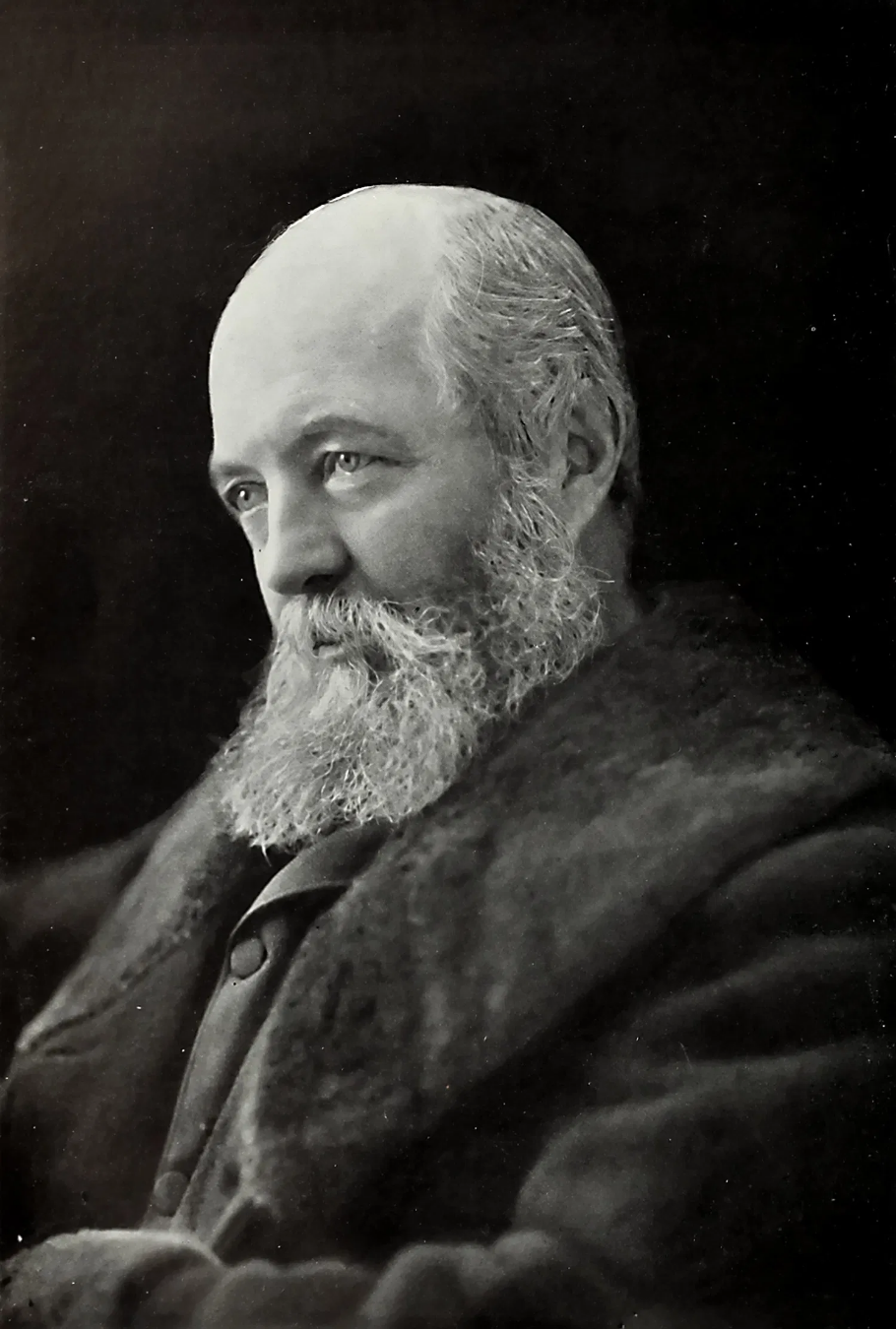
Frederick Law Olmsted, considered the father of landscape architecture, designed some 500 public spaces in North America. The Arnold Arboretum is the only arboretum he designed, a National Historic Landmark, and a model for others around the world. Docent Bill Beizer, will identify the elements of the Arboretum that best reflect Olmsted’s philosophy and approach to landscape design.
Join us at the Arboretum as we read and discover new things about the natural world. During this one-hour program for our youngest guests and their grownups, we will read a nature inspired story, do a craft, and go for a nature walk to continue exploring the theme. The weekly themes are inspired by what is happening seasonally at the Arboretum.

Autumn is one of the most beautiful times of year at the Arboretum, with leaves changing color and all sorts of unique seeds and fruits appearing on the branches. Join docent Vicki Amalfitano for a tour to learn about all the changes that happen in the Arboretum’s collections in the fall.
Docent Katrina Scott will lead this interactive tour with stops for moments to reflect on specific trees and the stories associated with them. Were they revered or feared? A home for deities or tricksters? We will begin at the Walter Street Gate to visit the oldest ginkgoes at the Arboretum, then head up the Conifer Path and diverge to walk, rest, and reflect among various conifers, eventually ending by the yews near Bussey Brook and Hemlock Hill Road.
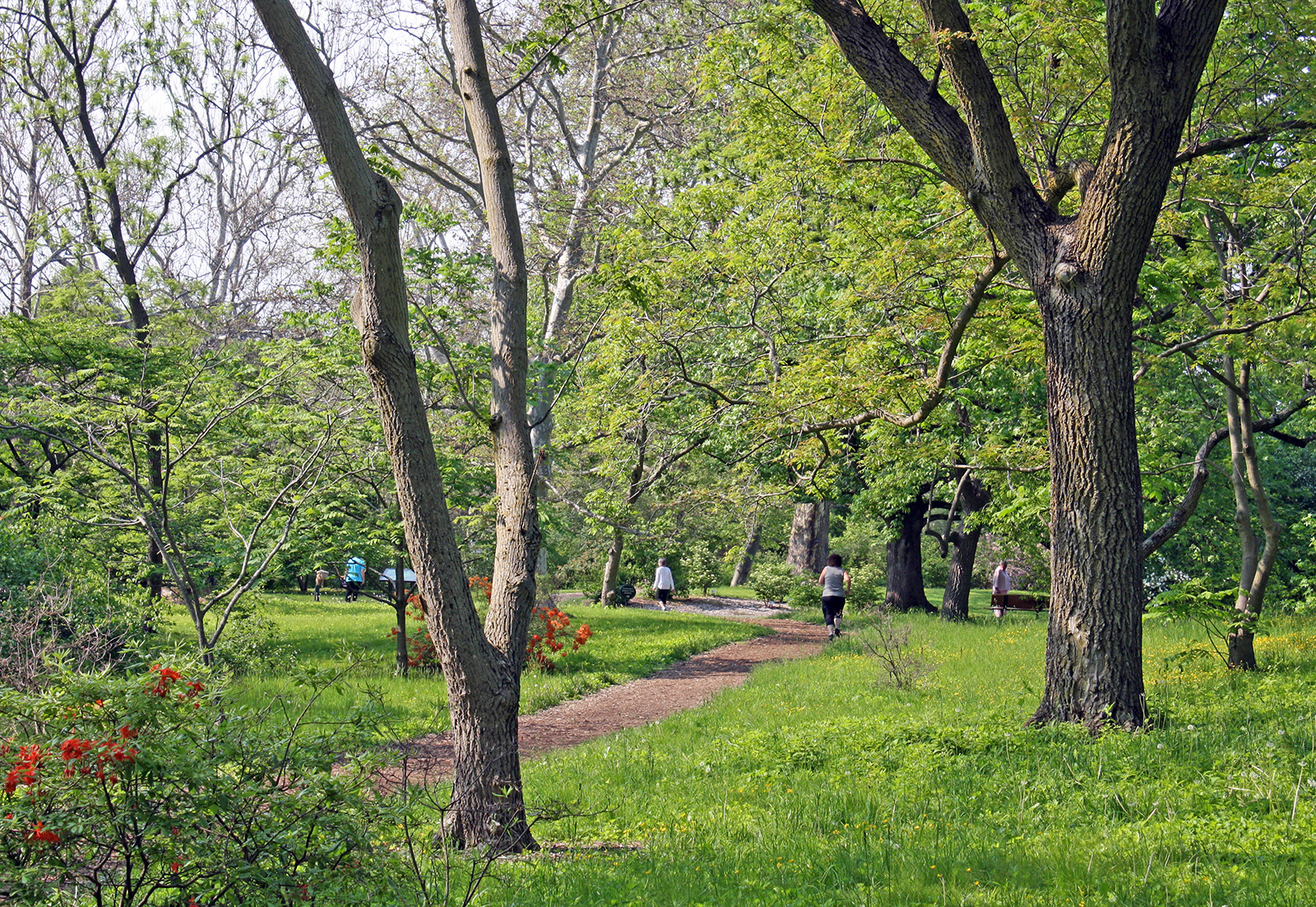
Oaks have been more closely associated with the development of human civilizations across the northern hemisphere than any other genus of tree. From the Royal Oak to the Charter Oak to the Emancipation Oak, from wine and whisky barrels to tall ships to the roof of Notre Dame, from King John to Shakespeare to Leonardo da Vinci, oaks have been inextricably entwined with the human experience. Join docent Paul Eldrenkamp as we learn more about the cultural history of oaks and explore what it is that makes them so useful, so distinct — and so essential.
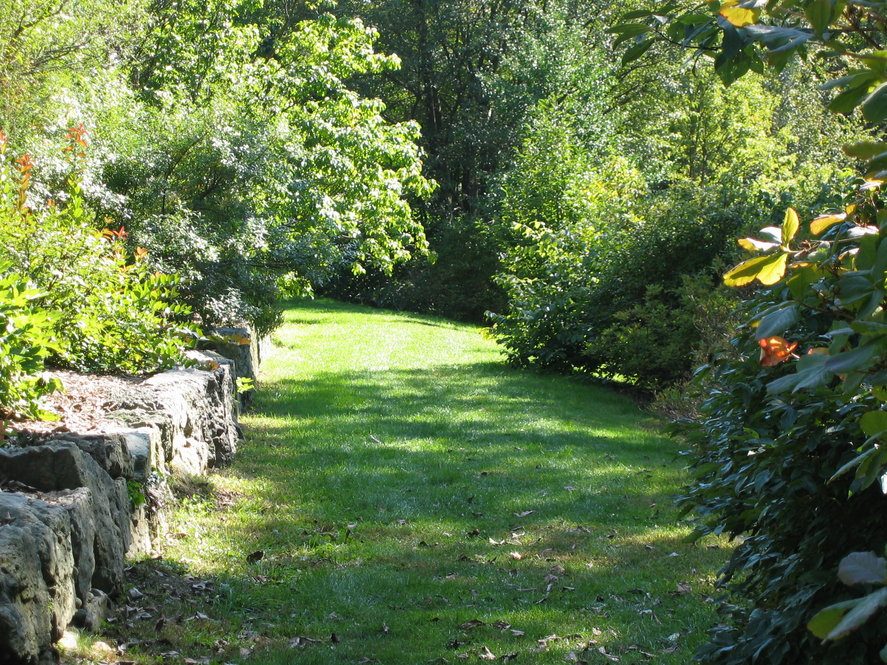
The Explorers Garden rests in a microclimate just below the summit of Bussey Hill. This nearly five-acre site provides ideal growing conditions for many species that have been challenging to grow in less protected areas of the Arboretum. As such, it has proven to be a perfect testing ground for plants collected in the expeditions of E. H. Wilson in the early 1900s to the NACPEC (North America-China Plant Exploration Consortium) expeditions of our own time. Join docent Marie Herbert for a guided tour to learn more about some of the plants showcased in this special collection and to hear stories of the plant exploration expeditions that brought them to the Arboretum.
Autumn is one of the most beautiful times of year at the Arboretum, with leaves changing color and all sorts of unique seeds and fruits appearing on the branches. Join docent Vicki Amalfitano for a tour to learn about all the changes that happen in the Arboretum’s collections in the fall.
The conifer collection at the Arnold Arboretum is a magical place to visit at any time of the year, as it is especially rich in history and diversity. Docent Cristina Squeff will lead participants through this collection explaining key identification features and sharing relevant stories about individual trees.
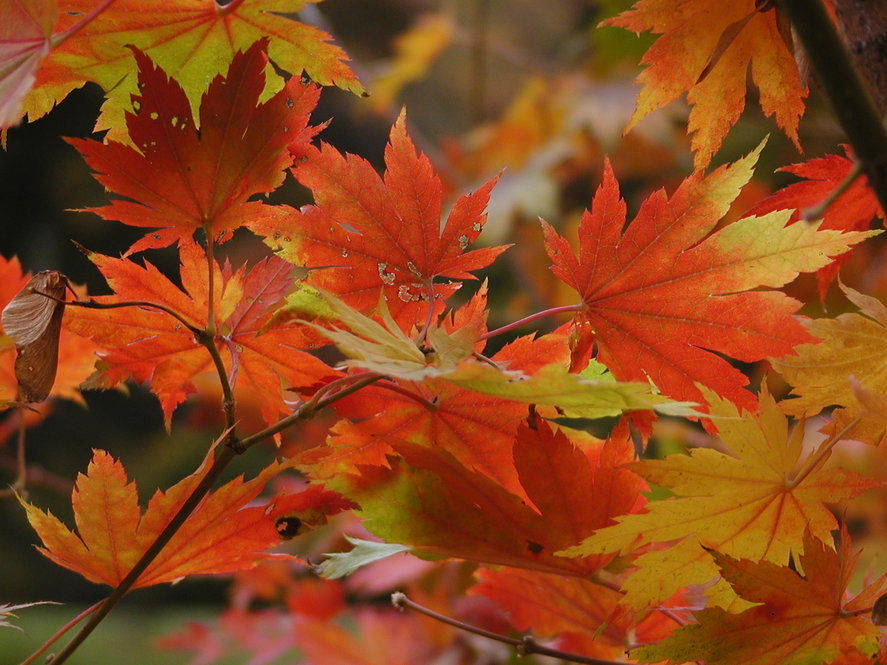
The maple collection in October is a rainbow of beautiful fall colors, and this diversity of color comes from the large diversity of species in this collection. Join Horticulturist Rachel Lawlor for a tour of this colorful collection and learn what makes a maple a maple, discover how to identify different species, and see some of the Arboretum’s most unique maple trees.
Join us at the Arboretum as we read and discover new things about the natural world. During this one-hour program for our youngest guests and their grownups, we will read a nature inspired story, do a craft, and go for a nature walk to continue exploring the theme. The weekly themes are inspired by what is happening seasonally at the Arboretum.
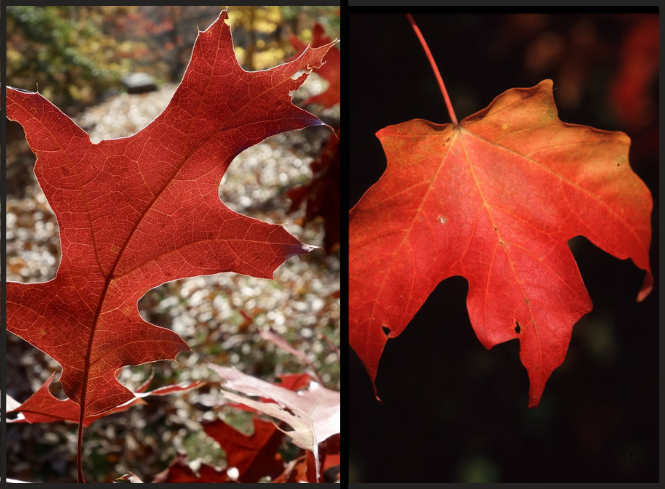
Most of us can point out an oak or a maple by their unique leaf shapes, but what about telling a black oak from a red oak, or a Norway maple from a sugar maple? Join herbalist Alex Klein for a class on identifying oak and maple species using leaf shape, bark, form, and other key identification features. The class will focus on species common to Massachusetts streets and forests, so that you will be prepared to identify the trees around you on your next walk in the woods or around town.
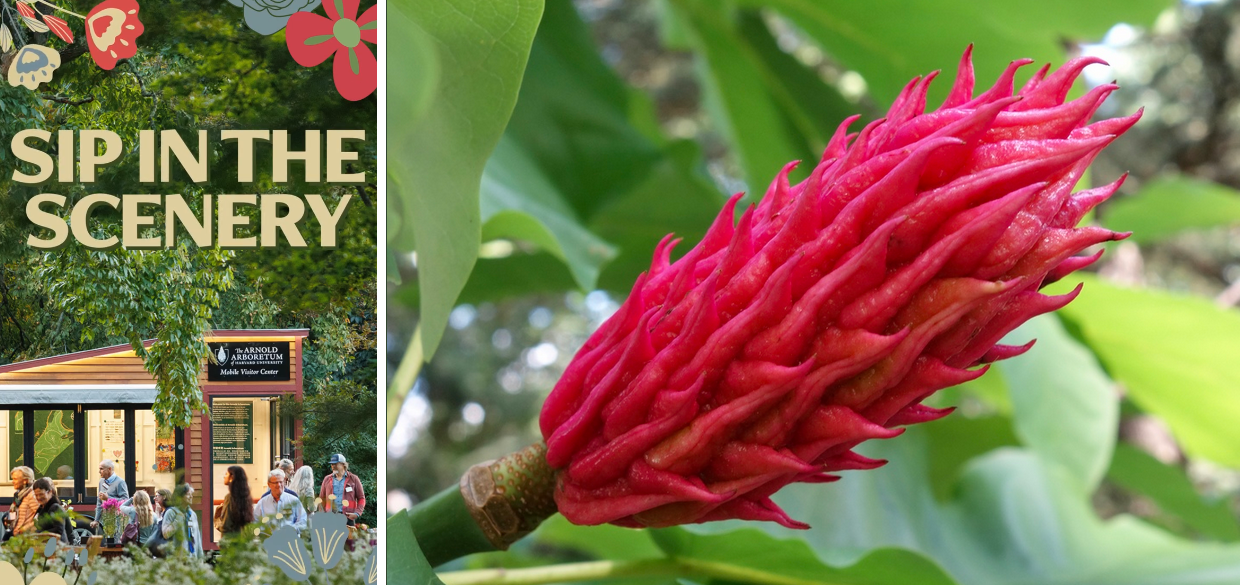
This October, Arnold Arboretum is inviting our valued members back into the landscape for our second Sip in the Scenery event! Members are welcome to enjoy our public event, The Art of the Woodturner in the Hunnewell Lecture Hall before or after joining us for an afternoon in the landscape. Enjoy lawn games, educational content tables on horticulture and Arboretum history, camaraderie, a food truck, a cash bar, and more, all set in the verdant beauty of our magnolia bowl (located just outside of the Hunnewell Visitor Center)!
Join docent Paul Eldrenkamp for a visit to five groups of trees that each played a particularly significant role in shaping five very different civilizations: Eastern White Pine, Cedar of Lebanon, Western Red Cedar, Oaks, and the five sacred trees of the Kiso Forest in Japan.
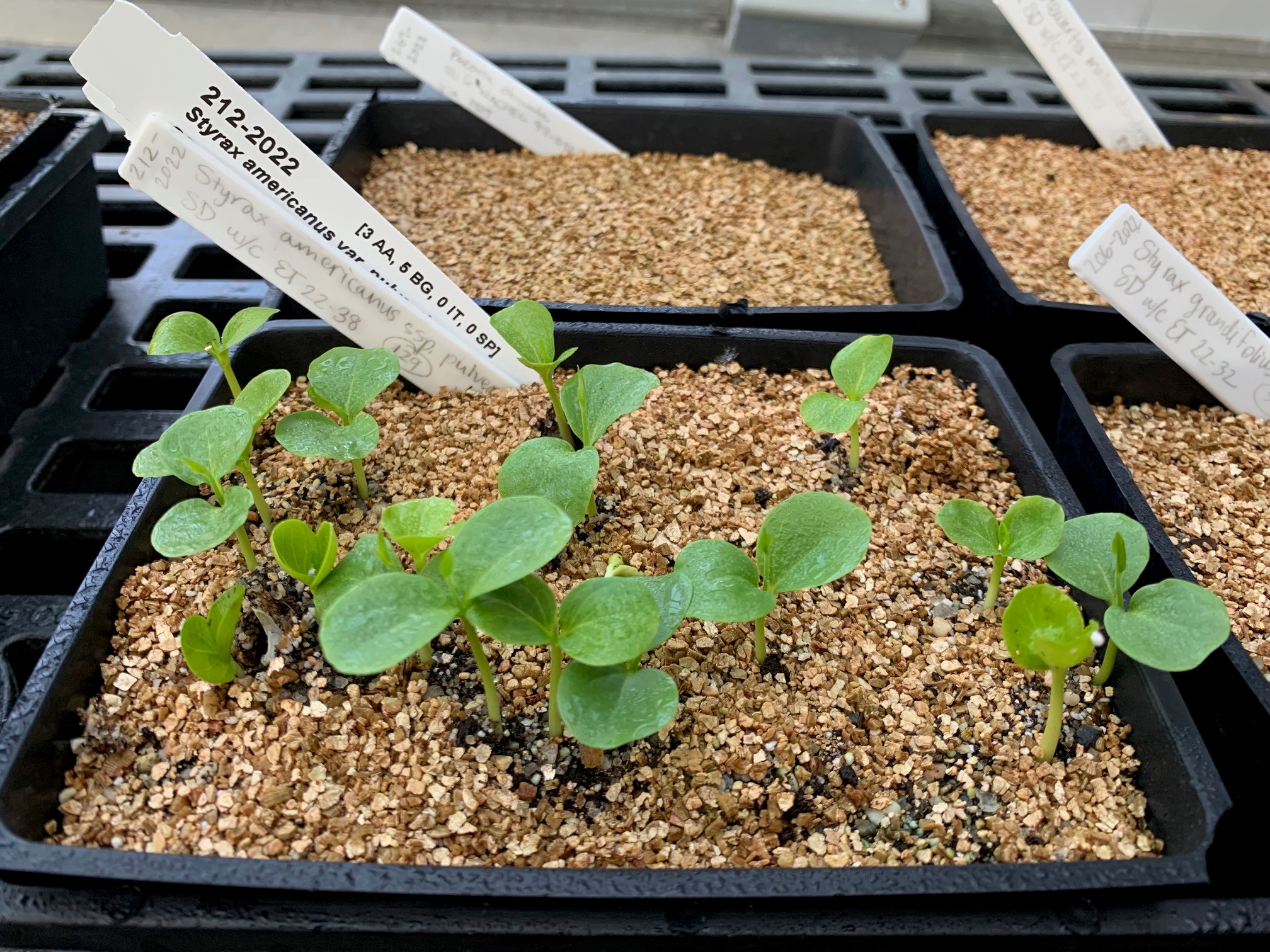
*Rescheduled from October 5 due to construction.* Many of us assume that growing plants from seed is as simple as opening a seed packet and sticking them in the dirt, but many of the trees and shrubs in the Arboretum’s collections require a complicated process of stratification, maceration, and dormancy breaking before they will sprout. Join Arboretum Propagator Sarah Shank for a workshop on growing these plants from seed and get a chance to try your own hand at germinating seed from Arboretum trees and shrubs.
Join us at the Arboretum as we read and discover new things about the natural world. During this one-hour program for our youngest guests and their grownups, we will read a nature inspired story, do a craft, and go for a nature walk to continue exploring the theme. The weekly themes are inspired by what is happening seasonally at the Arboretum.
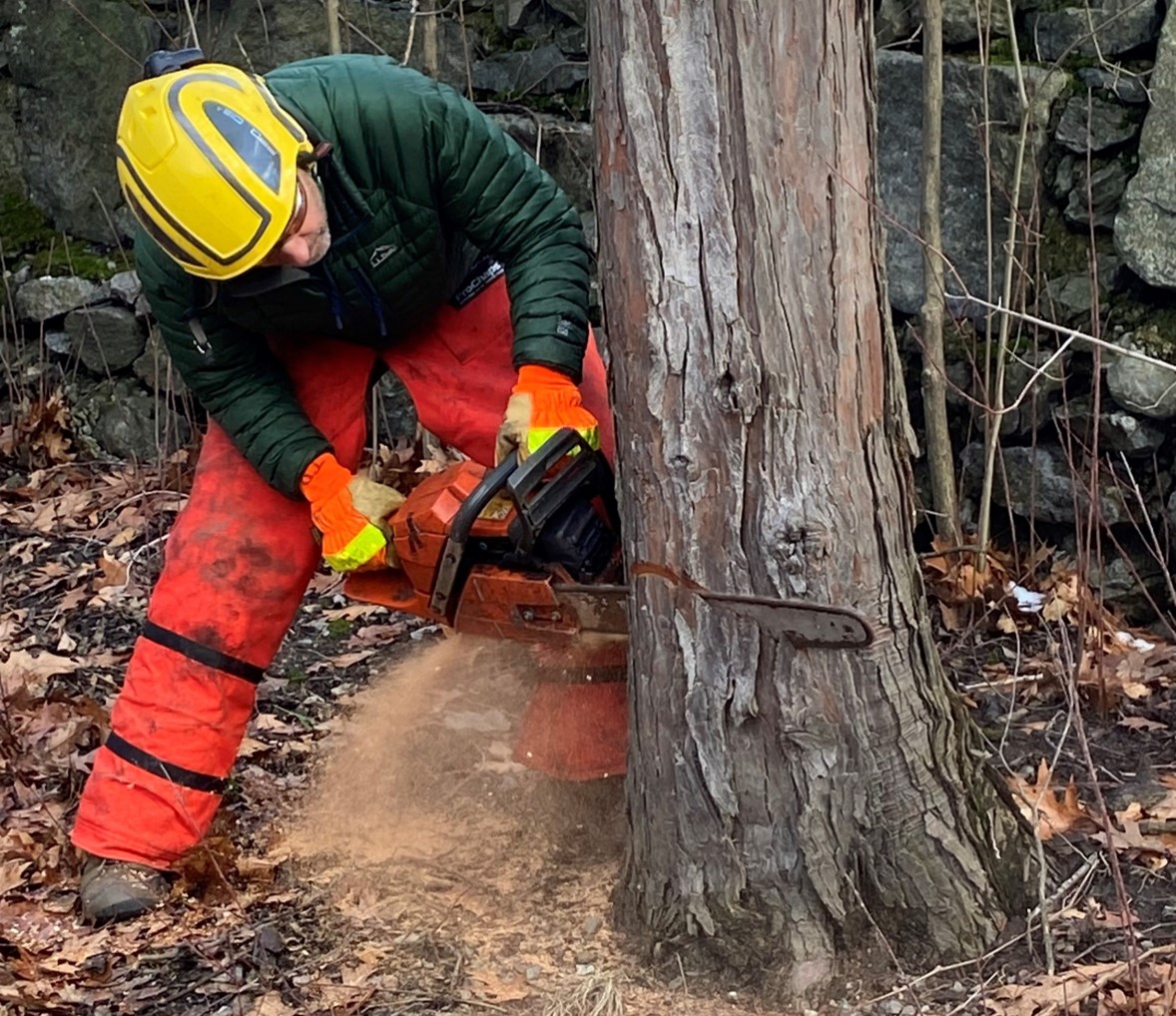
*Cancelled* Join Head Arborist John Del Rosso for a class on chainsaw safety and maintenance. Designed for professionals and gardeners with some chainsaw experience, you will learn how to best maintain your chainsaw, make effective felling cuts and tension cuts, use proper PPE, and develop safe work habits.
Docent Katrina Scott will lead this interactive tour with stops for moments to reflect on specific trees and the stories associated with them. Were they revered or feared? A home for deities or tricksters? We will begin at the Walter Street Gate to visit the oldest ginkgoes at the Arboretum, then head up the Conifer Path and diverge to walk, rest, and reflect among various conifers, eventually ending by the yews near Bussey Brook and Hemlock Hill Road.
Hundreds of mushrooms hide beneath the Arboretum’s canopies, silently blossoming into unique forms then withering away again just as quickly. Join local mushroom enthusiast Maria Pinto to search for these fascinating organisms on the Arboretum grounds, both edible and poisonous alike. Along the way you will learn what mushrooms to look for in different habitats and seasons, how they move through ecosystems, and what the Arboretum’s unique collections affect what mushrooms you might find here.
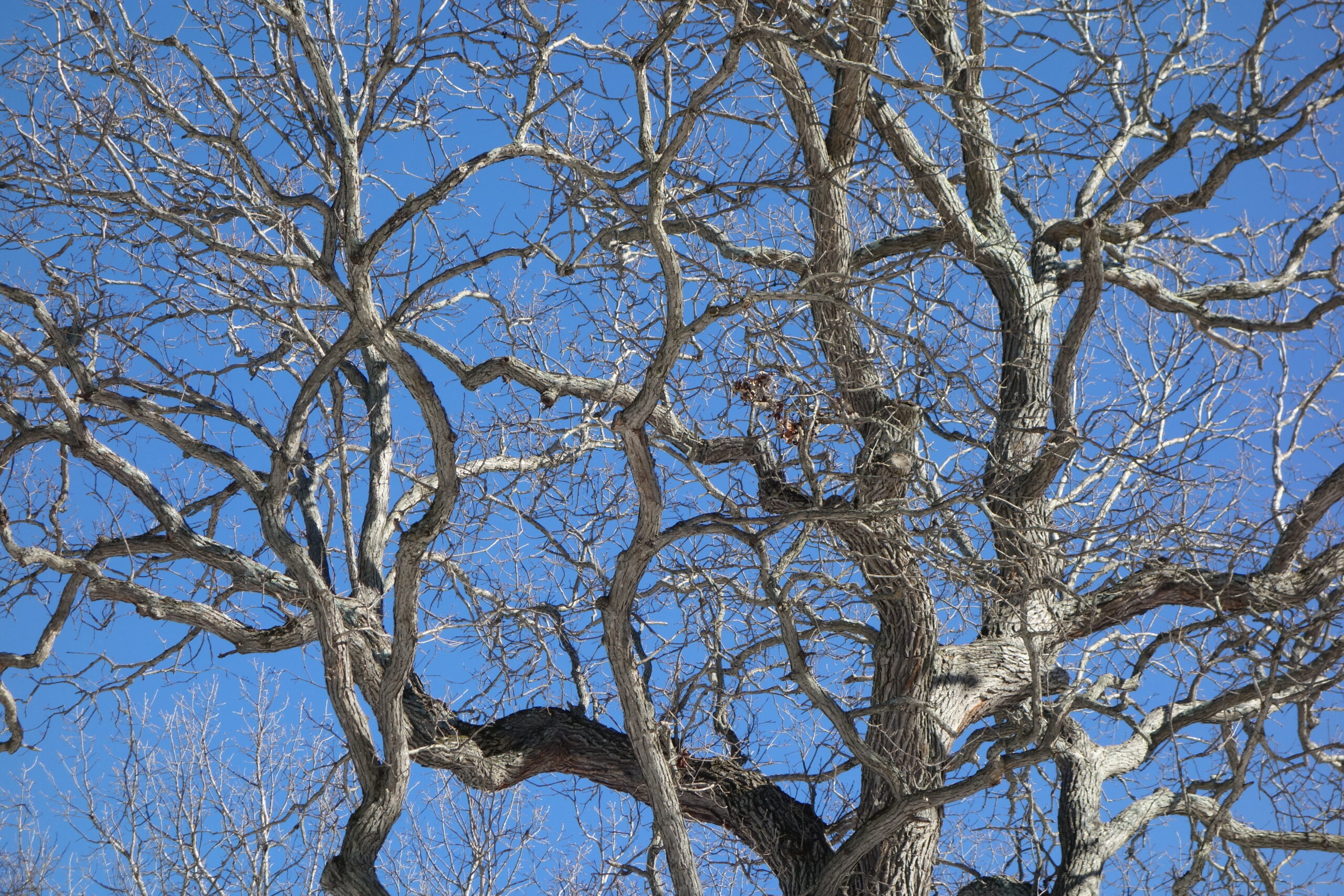
Long before this landscape had ever dreamed of becoming an Arboretum, a white oak grew quietly on the slopes of Peters Hill. Years passed and Arboretum staff eventually incorporated this very old tree into our official collections, making it possibly the oldest accessioned tree in the landscape. Join Assistant Curator Miles Sax for a Tree Mob to learn about this oak, what the landscape looked like before it was an Arboretum, the science of tree age, and how the Arboretum manages those trees that we never chose to plant but which are a treasured part of our collections nonetheless.
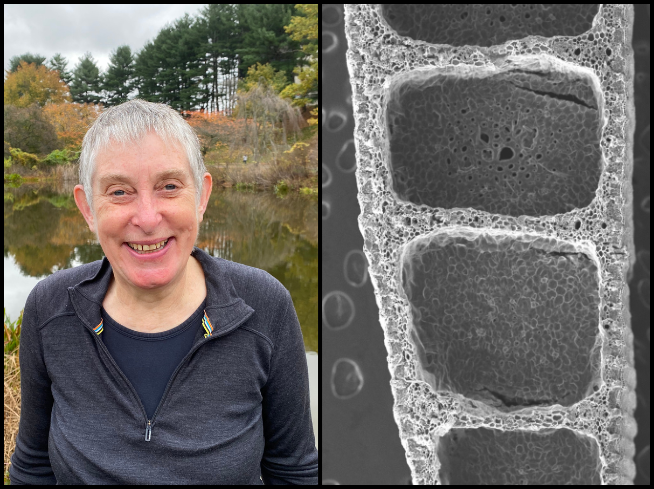
How do trees, bamboo, marsh grass stems and cattail leaves stand so tall? Join Materials Science Professor Lorna Gibson for a fascinating talk exploring how the internal structure of plants gives them remarkable strength and stability—allowing them to withstand howling winds and even support their own massive weight.
Join us at the Arboretum as we read and discover new things about the natural world. During this one-hour program for our youngest guests and their grownups, we will read a nature inspired story, do a craft, and go for a nature walk to continue exploring the theme. The weekly themes are inspired by what is happening seasonally at the Arboretum.

The conifer collection at the Arnold Arboretum is a magical place to visit at any time of the year, as it is especially rich in history and diversity. Docent Cristina Squeff will lead participants through this collection explaining key identification features and sharing relevant stories about individual trees.
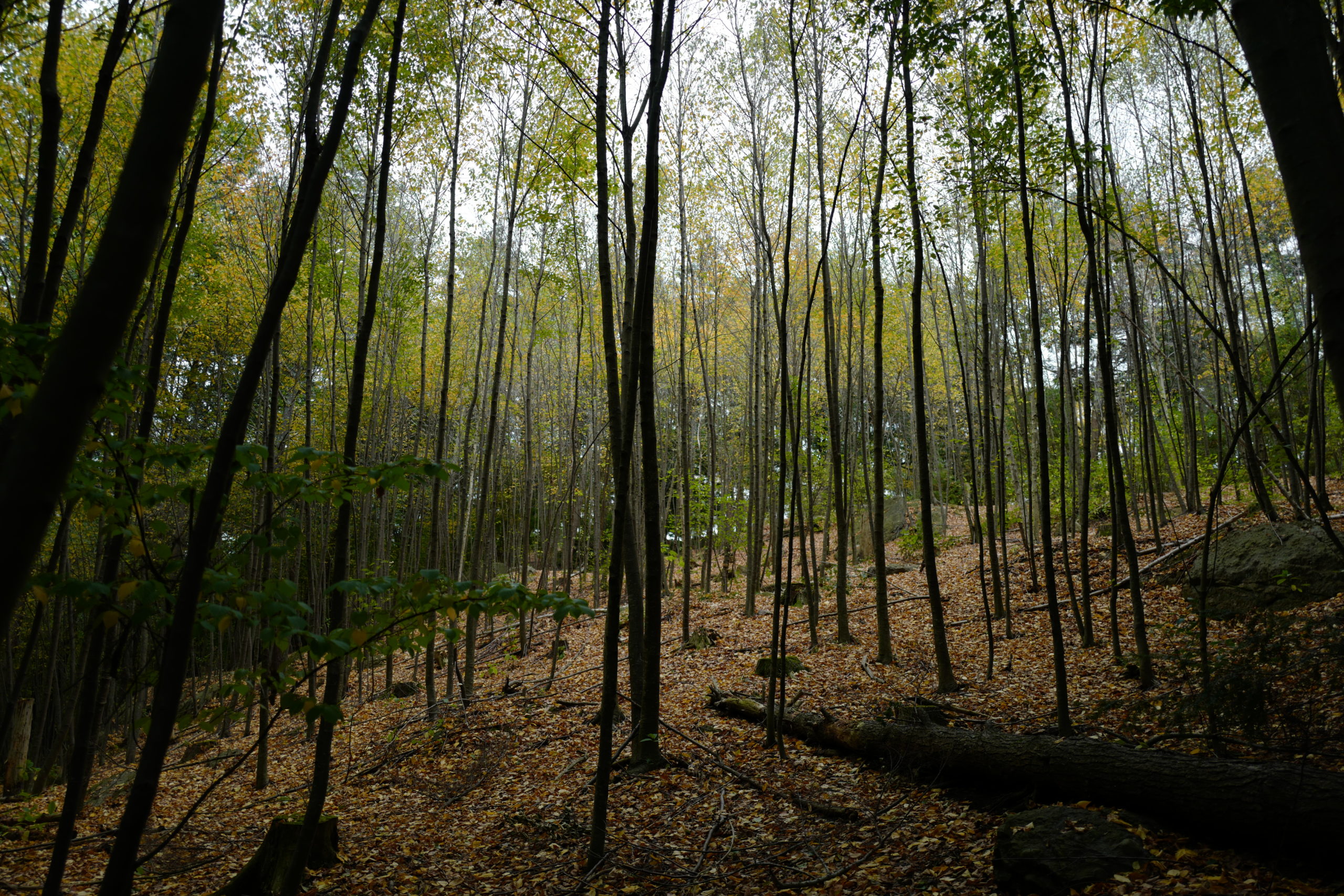
The forest is a constantly changing landscape where tree species dominate and then fade away, to be replaced by other species in the ongoing process of succession. Join Horticulturist Brendan Keegan to see these dynamics at play on Hemlock Hill: learn about forest species structures, succession dynamics, and how the topography of the earth itself affects the species living there.
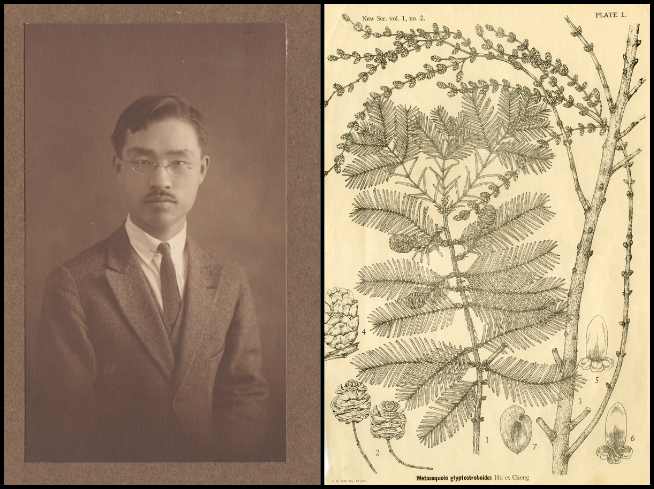
Join us to celebrate the life, groundbreaking scientific work, and legacy of Hu Xiansu (Hu Hsen-Hsu) on the 100th anniversary of his doctoral degree from Harvard. This online event will feature Arnold Arboretum Director William (Ned) Friedman, Chief Scientist at the China National Botanical Garden (North Garden) Jinshuang Ma, Professor of Sociology at Beijing Normal University Hu Xiaojiang (granddaughter of Hu Xiansu), and other speakers discussing Hu’s life and influence.
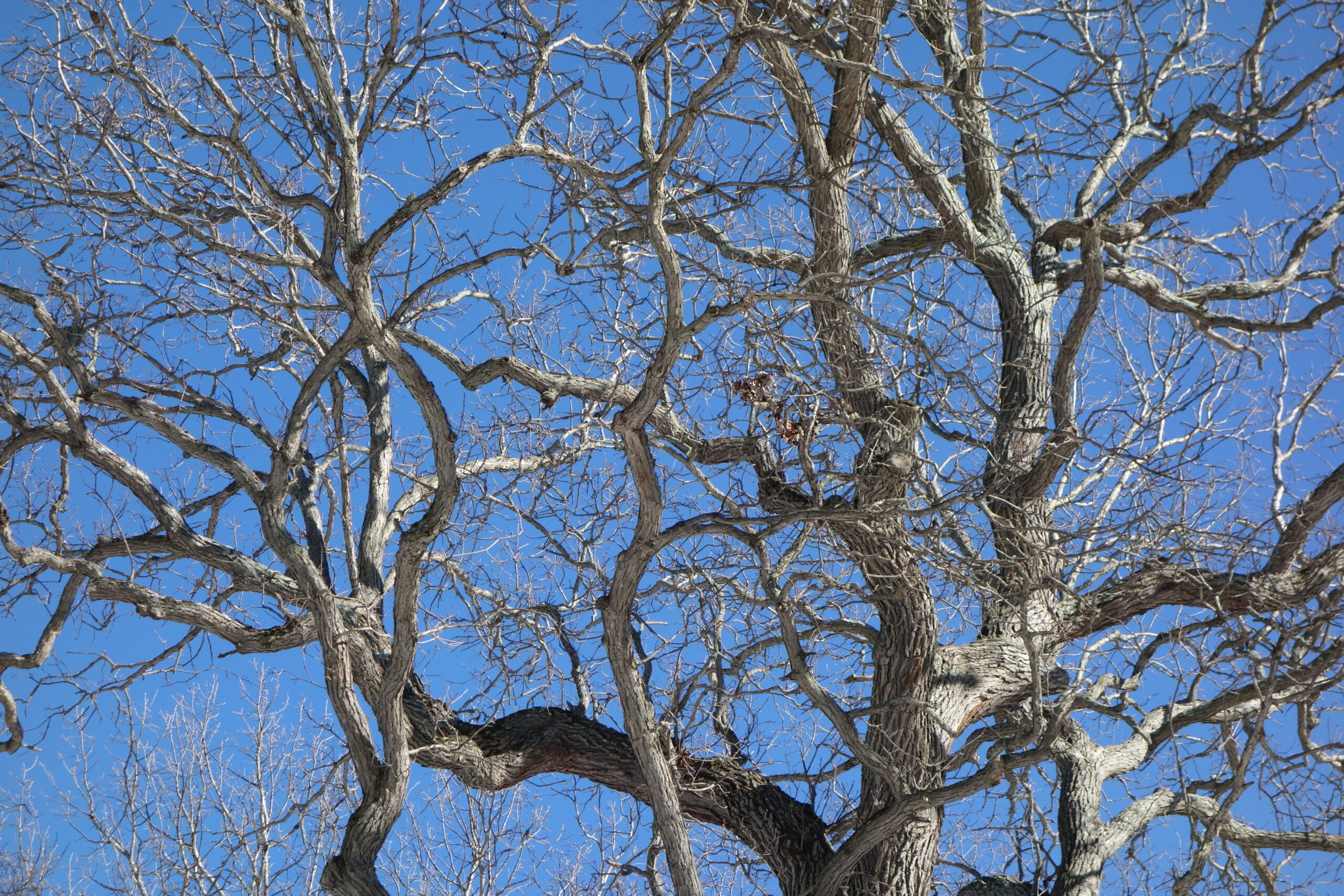
Part of the mission of the Arnold Arboretum is stewardship of the earth’s botanical diversity and its essential value to humankind. This one hour tour through the landscape, led by docent Vicki Amalfitano, will highlight important Arboretum historical conservation efforts that have preserved distinct native and exotic species, and current efforts in our living collections to mitigate habitat disruption and climate impact. Learn about plant expeditions to preserve species in the face of climate change and new pathogens, research initiatives, as well as the Arboretum’s green initiatives and local collaborations to improve our urban canopy.

*This program has been cancelled* What is there to see at the Arboretum after all of the leaves have fallen and before spring flowers start to bloom? Bark! Shaggy bark, mottled bark, striped bark: the Arboretum has it all. Join Horticulturist Rachel Lawlor to see some beautiful bark highlights, learn how to identify some trees by their bark, and learn why that bark looks the way it does.
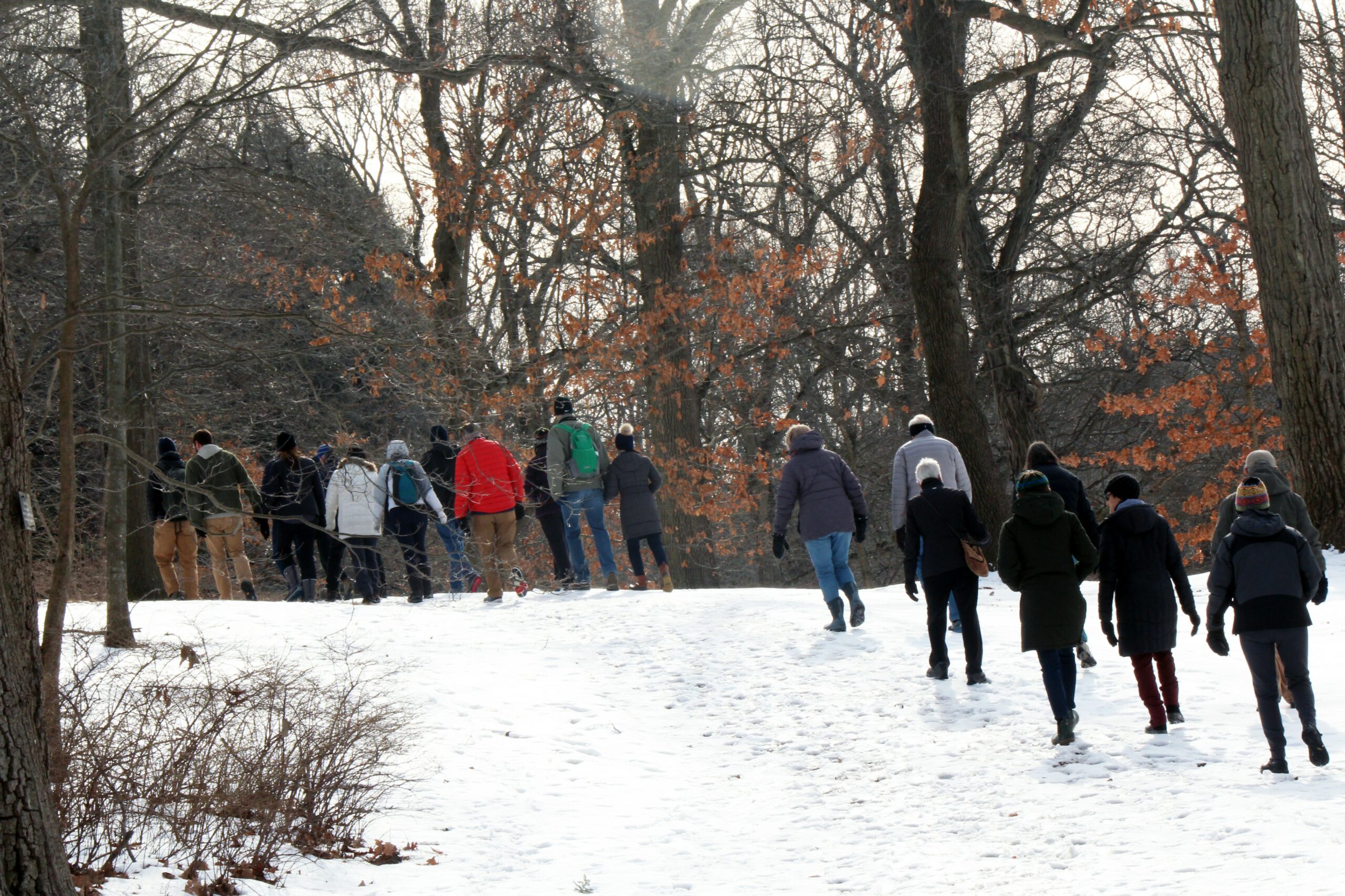
Take a brisk walk this winter and stay healthy and connected to the Arboretum at a time when the landscape is pared down to its beautiful bones. This 90-minute walk is similar to a guided tour, but with a slightly faster pace and fewer stops, to keep your feet warm and your blood pumping!
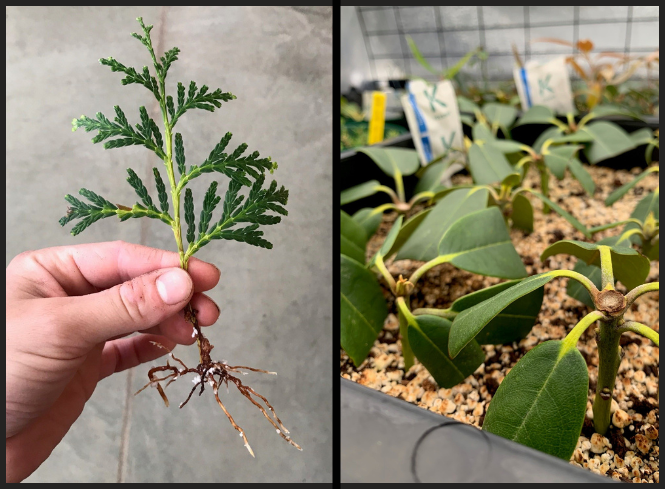
Hardwood cuttings are one of the many techniques the Arboretum uses to propagate its plants: propagators take cuttings from the mature stems of woody plants, carefully trim and coat the ends in rooting hormone, then plant them in specially designed growing media. Join Arboretum Propagator Sarah Shank for a hands-on workshop to learn this specialized form of propagation: the class will begin with a presentation on the biology of hardwood cuttings, then head outside to collect our own cuttings from nearby woody plants, and finally return inside to prepare and root the cuttings in growing media. Participants will bring home a small tray of cuttings to grow into their own small trees and shrubs.
Frederick Law Olmsted, considered the father of landscape architecture, designed some 500 public spaces in North America. The Arnold Arboretum is the only arboretum he designed, a National Historic Landmark, and a model for others around the world. Docent Bill Beizer, will identify the elements of the Arboretum that best reflect Olmsted’s philosophy and approach to landscape design.
Docent Katrina Scott will lead this interactive tour with stops for moments to reflect on specific trees and the stories associated with them. Were they revered or feared? A home for deities or tricksters? We will begin at the Walter Street Gate to visit the oldest ginkgoes at the Arboretum, then head up the Conifer Path and diverge to walk, rest, and reflect among various conifers, eventually ending by the yews near Bussey Brook and Hemlock Hill Road.

Get a new perspective on some of the amazing trees on Peters Hill during this one-hour seasonal tour. In winter, leaves and blossoms fall away, exposing hidden features like bark, thorns, and roots. During this one-hour tour led by docent Paul Eldrenkamp, you’ll get a chance to explore a few of the interesting collections in the landscape, learn about the history of this part of the Arboretum, and get a winter time view of the Boston skyline from the second highest point in the city.
Take a brisk walk this winter and stay healthy and connected to the Arboretum at a time when the landscape is pared down to its beautiful bones. This 90-minute walk is similar to a guided tour, but with a slightly faster pace and fewer stops, to keep your feet warm and your blood pumping!
What is there to see at the Arboretum after all of the leaves have fallen and before spring flowers start to bloom? Bark! Shaggy bark, mottled bark, striped bark: the Arboretum has it all. Join Horticulturist Rachel Lawlor to see some beautiful bark highlights, learn how to identify some trees by their bark, and learn why that bark looks the way it does.

Join Nicole Forsyth, horticulturist and plant science educator, for a primer on all things botany: different plant parts and what they do, the movement of water and nutrients around the plant, gas exchange, plant reproduction and more. No prior botany knowledge needed! Whether you’re looking for a botany refresher or learning plant form and function for the first time, this class will give you the basics you need to know.
Get a new perspective on some of the amazing trees on Peters Hill during this one-hour seasonal tour. In winter, leaves and blossoms fall away, exposing hidden features like bark, thorns, and roots. During this one-hour tour led by docent Paul Eldrenkamp, you’ll get a chance to explore a few of the interesting collections in the landscape, learn about the history of this part of the Arboretum, and get a winter time view of the Boston skyline from the second highest point in the city.
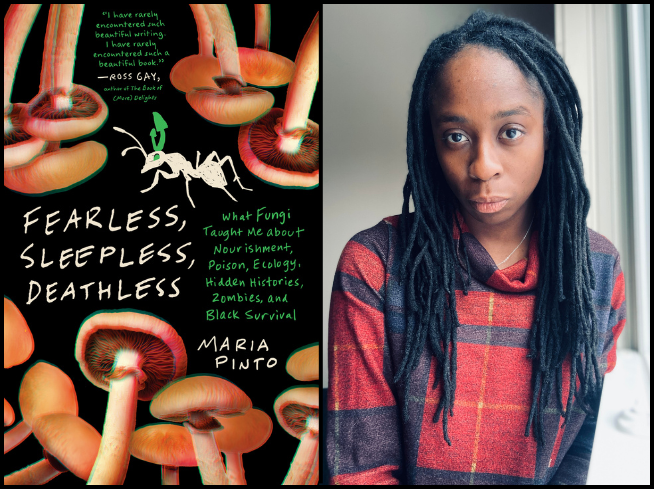
Join us for a talk by popular Mushroom Hunt instructor Maria Pinto on her new book, Fearless, Sleepless, Deathless: What Fungi Taught Me about Nourishment, Poison, Ecology, Hidden Histories, Zombies, and Black Survival. Maria weaves together memoir, mycology, and cultural history to illuminate the deep and surprising ways fungi connect with human life. With vivid storytelling and a fiercely original voice, she explores fungi not just as biological wonders but as tools of survival, subversion, and spiritual sustenance—especially for those living at the margins.