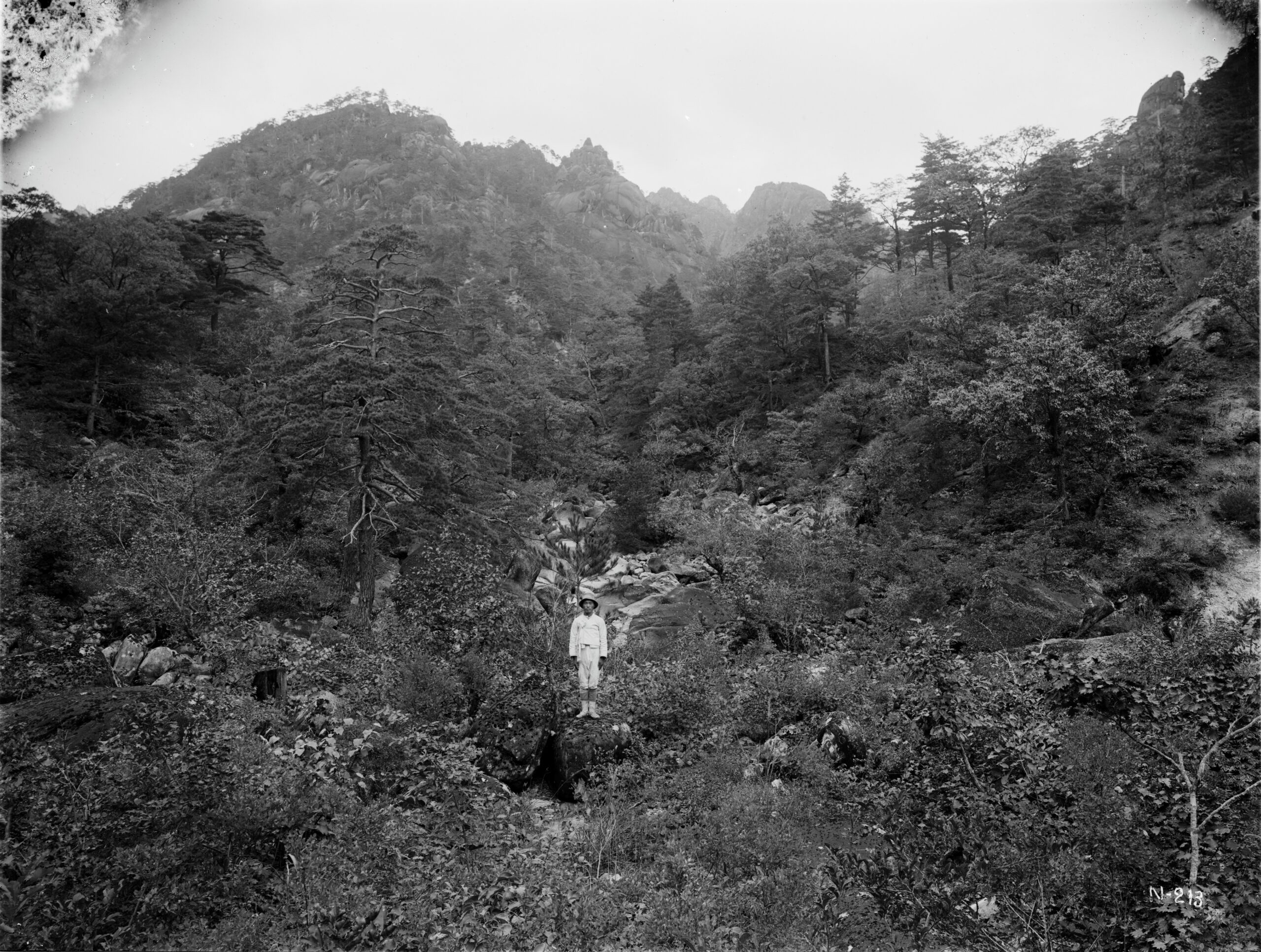
The Arnold Arboretum of Harvard University announces Living Connections: The Arnold Arboretum and Korea, a new exhibition opening October 24, 2026, in the Hunnewell Visitor Center. Featuring large-scale historic photographs, archival materials, and contemporary collaborations, the exhibition explores more than a century of connections between the Arboretum and the flora, landscapes, and people of Korea.
Living Connections pairs the Arboretum’s living collections with one of the most extensive surviving visual records of early twentieth-century Korea. Through immersive displays, visitors will encounter rare botanical specimens, historic field records, and monumental photographic enlargements made from original glass-plate negatives. Rich in detail, these striking images transport visitors to sweeping mountain landscapes, historic cultural sites, and forests of remarkable trees documented during pioneering botanical expeditions. Together, the photographs and living plants in the Arboretum landscape reveal how exploration on the Korean Peninsula shaped the Arboretum’s collections and continues to inform research, conservation, and international partnerships today.
“Plants are at the heart of this exhibition, but they are also a gateway into a much larger story,” said William (Ned) Friedman, director of the Arnold Arboretum and Arnold Professor of Organismic and Evolutionary Biology at Harvard University. “Through plants at the Arboretum, paired with historic photographs and records, visitors can see how science, history, and culture are deeply intertwined across time and continents.”
The exhibition begins with the Arboretum’s early twentieth-century expeditions to Korea, when plant collectors documented the peninsula’s flora and introduced hardy woody plants into North American cultivation. As visitors trace the origins of these collections, they also encounter the broader history of Korea in the twentieth century, including the period of Japanese occupation, the devastation and division that followed the Korean War, and the lasting effects these events had on the nation’s landscapes, people, and scientific institutions.
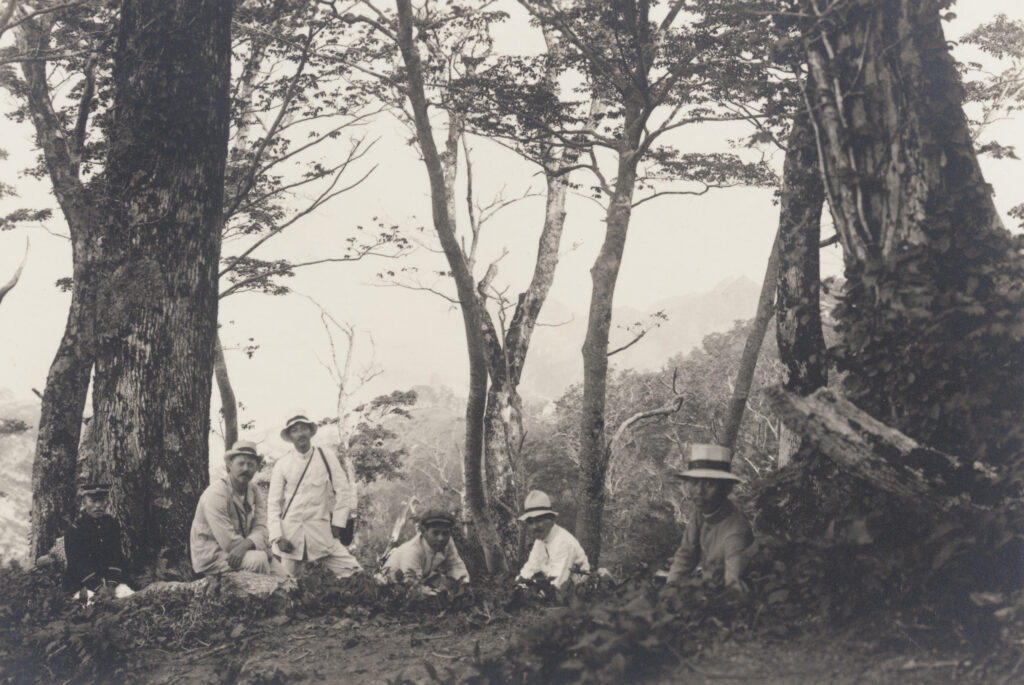
At the center of the exhibition is famed Arboretum plant explorer Ernest Henry Wilson’s 1917-1919 expedition, which produced an extraordinary visual and botanical record of Korea’s plants, landscapes, architecture, and daily life during a period of profound change. Drawn from Wilson’s original glass-plate negatives, the exhibition’s large-format photographs offer rare views of mountain valleys, temples, villages, and forests with a clarity seldom seen in historical photography. Many of these images depict places that are now difficult or impossible to access and illuminate the origins of plants still growing at the Arboretum. The exhibition includes additional images by early Arboretum explorers John Jack and Frank Meyer, as well as more contemporary expeditions, including photographs from the Arboretum’s return to Korea in 1977 that are appearing on public view for the first time.
Living Connections explores how plant exploration, scientific discovery, cultural exchange, and political history intersected in twentieth-century Korea. Rather than presenting botanical exploration as a simple story of discovery, the exhibition examines how power and colonial systems shaped scientific activity and historical records. It also highlights ongoing efforts to restore Korean names, identities, and perspectives within botanical history while encouraging visitors to consider
how collections, archives, and plant records shape cultural memory.
The exhibition extends beyond the gallery into the Arboretum landscape. Visitors can continue their experience through a self-guided tour on the Arboretum’s Expeditions App, available through Bloomberg Connects. The tour highlights eleven plants growing throughout the Arboretum that trace their origins to the institution’s century-long history of plant exploration in Korea, connecting the stories inside the exhibition with living specimens outdoors.
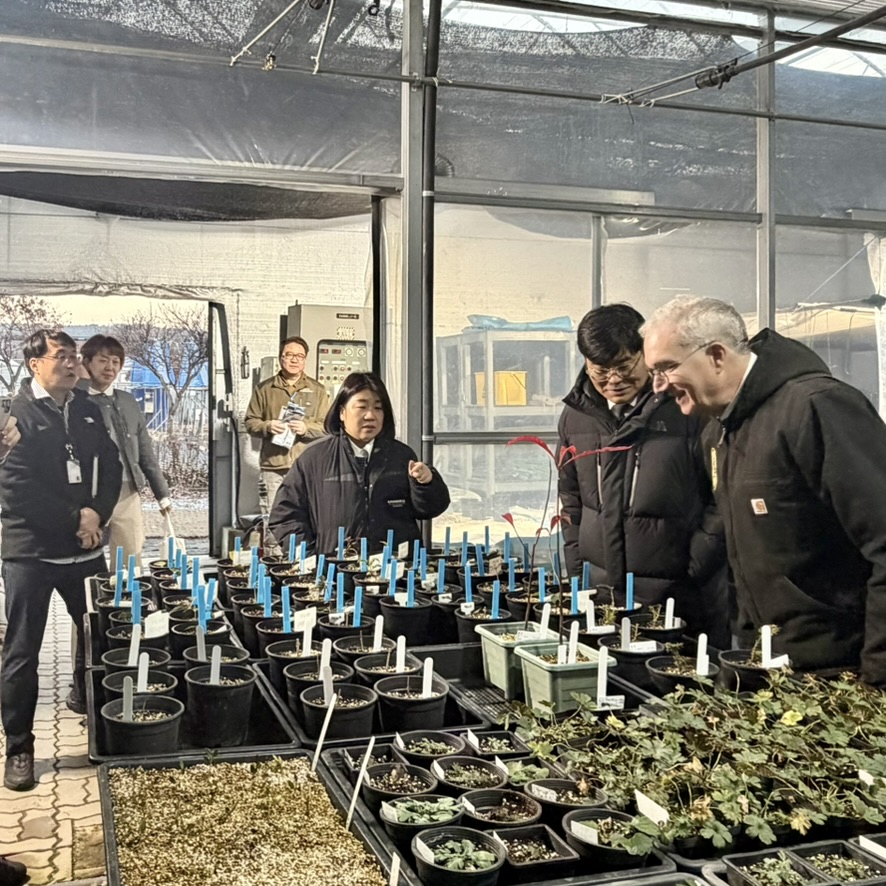
By linking past and present, Living Connections demonstrates how plants, photographs, specimens, and archives gathered more than a century ago continue to generate new knowledge and support international collaboration. The exhibition also traces how the Arboretum’s historic work in Korea has evolved into contemporary partnerships with South Korean scientists and institutions focused
on research, conservation, and exchange.
“Today, our collaborations with partners in South Korea build on historic collections while moving toward more equitable and shared approaches to science,” said Michael Dosmann, Keeper of the Living Collections at the Arboretum. “Living Connections underscores that our relationship with Korea is ongoing, rooted in history but very much alive and evolving.”
Through extraordinary photography, living plants, and stories of scientific and cultural exchange, Living Connections invites visitors to discover how a century-old relationship continues to shape the Arboretum’s landscape, collections, and mission today.
Visitor Information
Living Connections: The Arnold Arboretum and Korea will be open to the public in the Hunnewell Building Visitor Center beginning October 24, 2026, and will run through June 13, 2027. The exhibition is free and open to the public during regular Visitor Center hours. This exhibition is sponsored in part by Leslie and Peter Ciampi.
Please note: The scale model of the Arnold Arboretum landscape in the Visitor Center will be off view for the duration of the exhibition.