
Birding Walk
Embark on a birdwatching tour in the Arboretum’s landscape with docent and birder Donna Sullivan. This two-hour tour is suitable for adult beginners as well as more experienced birders.
Exhibits

Guided Tours
Plan Your Visit
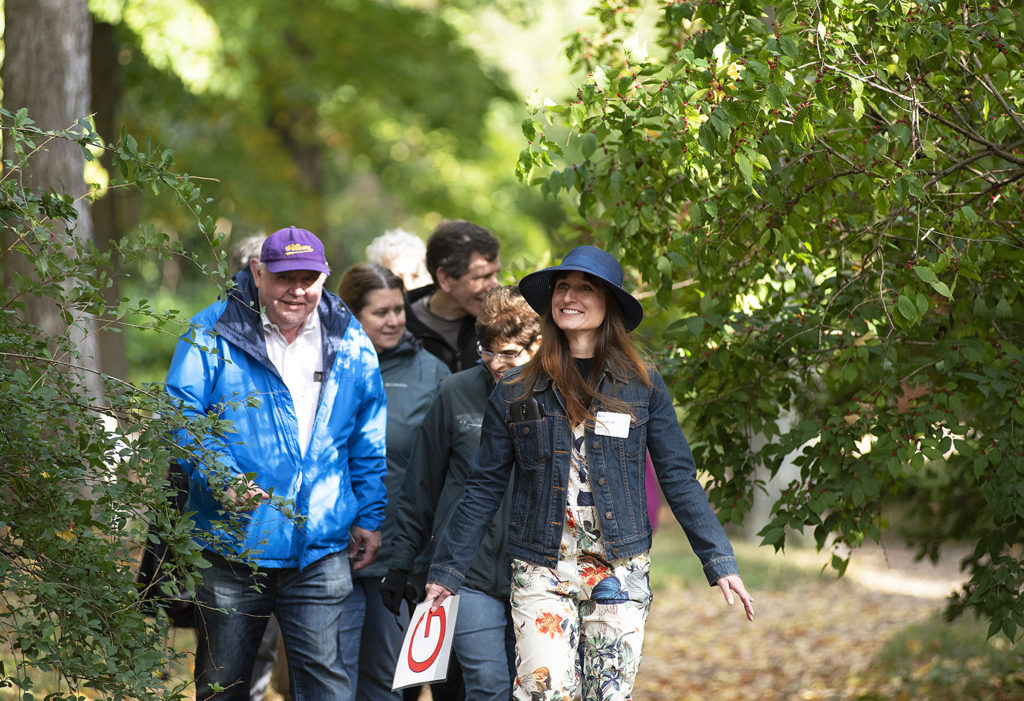
Embark on a birdwatching tour in the Arboretum’s landscape with docent and birder Donna Sullivan. This two-hour tour is suitable for adult beginners as well as more experienced birders.

Paying close attention to the plants around us can ease stress and create moments of joy and wonder, whether we’re walking through the woods, down the street, or just getting up close with our own houseplants. Let’s Botanize: 101 Ways to Connect with Plants is full of prompts and beautiful macrophotography that encourage readers to get outside and observe plants in close detail. Join authors Ben Goulet-Scott and Jacob Suissa, both former Arboretum researchers, for a book launch consisting of a talk, book signings, and an optional walk in the landscape to try some of these prompts out for ourselves.

Get a new perspective on some of the amazing trees on Peters Hill during this one-hour seasonal tour. In winter, leaves and blossoms fall away, exposing hidden features like bark, thorns, and roots. During this one-hour tour led by docent Paul Eldrenkamp, you’ll get a chance to explore a few of the interesting collections in the landscape, learn about the history of this part of the Arboretum, and get a winter time view of the Boston skyline from the second highest point in the city.

*Rescheduled from March 21* W.S. Merwin was famed for his poetry, winning the Pulitzer Prize for Poetry twice and named the United States Poet Laureate in 2010. But he was also a nature enthusiast with a deep concern for conservation. Merwin bought a plot of former agricultural land in Maui in 1977 and spent 40 years revitalizing the land, planting nearly 3,000 species of palm trees, and the estate is now recognized as one of the most important collections of palms in the world. Join us for a talk and poetry reading celebrating Merwin’s legacy.

Have you ever wanted to learn more about the feathered friends you see and hear on a walk through the Arnold Arboretum? If so, please join birders and volunteers TJ and Allison for a leisurely 90-minute bird watching walk.
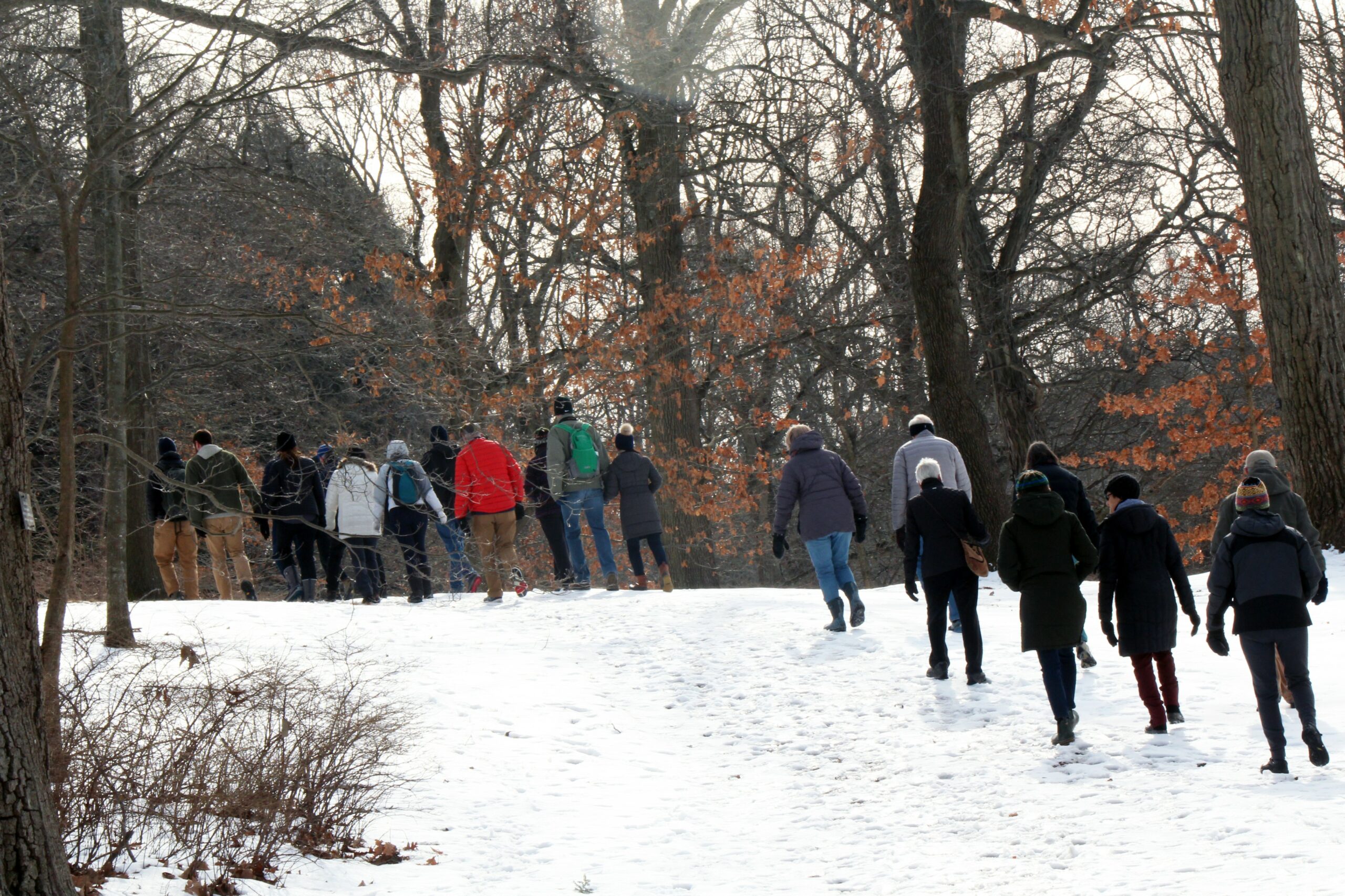
Take a brisk walk this winter and stay healthy and connected to the Arboretum at a time when the landscape is pared down to its beautiful bones. This 90-minute walk is similar to a guided tour, but with a slightly faster pace and fewer stops, to keep your feet warm and your blood pumping!

Join us at the Arboretum as we read and discover new things about the natural world. During this one-hour program for our youngest guests and their grownups, we will read a nature inspired story, do a craft/activity, and go for a nature walk to continue exploring the theme.

Did you know flowers can be found at the Arboretum even in the depths of winter? Witch-hazels bloom in vibrant oranges, reds, and yellows across the landscape, giving a beautiful pop of color amidst the winter greys and whites. Join us on a tour of this collection and be ready to step off the path to admire the native witch-hazels, as well as those from China and Japan.
Did you know flowers can be found at the Arboretum even in the depths of winter? Witch-hazels bloom in vibrant oranges, reds, and yellows across the landscape, giving a beautiful pop of color amidst the winter greys and whites. Join us on a tour of this collection and be ready to step off the path to admire the native witch-hazels, as well as those from China and Japan.

As temperatures begin to climb back up for the spring season, many of us are thinking about our yards and gardens. Do we want to plant something new? What kind of tree or shrub might work well in our space? Join Assistant Curator Miles Sax for a class on plant selection and learn how to choose the right trees and shrubs for specific spaces, microclimates, aesthetic desires, and management goals. This will be an indoor class in the Hunnewell Lecture Hall.

In winter, when all the leaves have fallen, the stark and beautiful forms of the bare trees suddenly come into focus. It becomes clear that not all tree forms are alike: some trees are cone-shaped, some round, some have steep branch angles, others have branches that stick straight out from the trunk. Join Director of Horticulture and Landscape Rodney Eason for a walk to explore tree architecture at the Arboretum and learn how to use tree form to help identify trees in the winter, and how the different forms help or harm the trees throughout their lives.
Join us at the Arboretum as we read and discover new things about the natural world. During this one-hour program for our youngest guests and their grownups, we will read a nature inspired story, do a craft/activity, and go for a nature walk to continue exploring the theme.
Did you know flowers can be found at the Arboretum even in the depths of winter? Witch-hazels bloom in vibrant oranges, reds, and yellows across the landscape, giving a beautiful pop of color amidst the winter greys and whites. Join us on a tour of this collection and be ready to step off the path to admire the native witch-hazels, as well as those from China and Japan.
Embark on a birdwatching tour in the Arboretum’s landscape with docent and birder Donna Sullivan. This two-hour tour is suitable for adult beginners as well as more experienced birders.

Fungi are known for their decomposing properties, but did you know that also make great building components? Dehydrated fungal mycelium is waterproof, fire retardant, insulating, and sound absorbing, and GSD post-doc Noam Attius is on the hunt for new species of fungi in the Arboretum to create the next generation of eco-materials. Join Noam for a walk in the landscape highlighting her work and learn about the Arboretum fungi she is exploring.

Hundreds of mushrooms hide beneath the Arboretum’s canopies, silently blossoming into unique forms then withering away again just as quickly. Join local mushroom enthusiast Maria Pinto to search for these fascinating organisms on the Arboretum grounds, both edible and poisonous alike. Along the way you will learn what mushrooms to look for in different habitats and seasons, how they move through ecosystems, and what the Arboretum’s unique collections affect what mushrooms you might find here.

The devastating wildfires in California over the past several years have left the landscape starkly and in many cases permanently changed. Billie Mandle, Photography professor at Massachusetts College of Art and Design, and Karen Haas, Curator of Photography at the MFA, come together to talk about Billie’s new photography book ‘Asunder,’ made up of stark and haunting photos of the aftermath of the 2020 Glass Fire in Northern California. They will be joined by Director of the Harvard Forest Jonathan Thompson who will share his research on how the wildfires have changed the very makeup of California forests, from mature trees to landscapes dominated by chaparral.
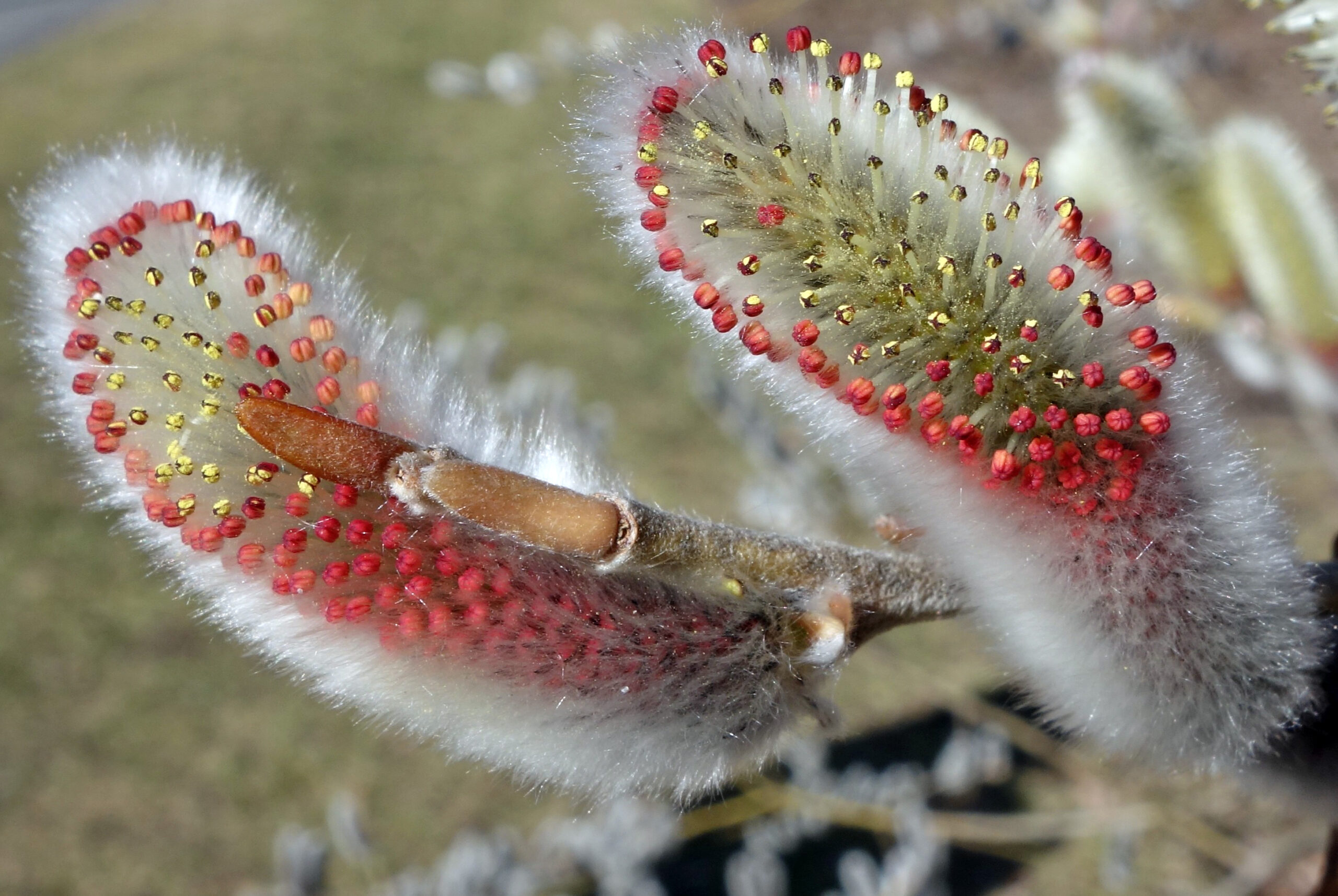
The pussy willows on Meadow Road are blooming, with brilliant red and yellow flowers emerging from the classic fuzzy buds. Join Manager of Horticulture Rachel Brinkman for a Tree Mob celebrating this unique plant.
Join us at the Arboretum as we read and discover new things about the natural world. During this one-hour program for our youngest guests and their grownups, we will read a nature inspired story, do a craft/activity, and go for a nature walk to continue exploring the theme.
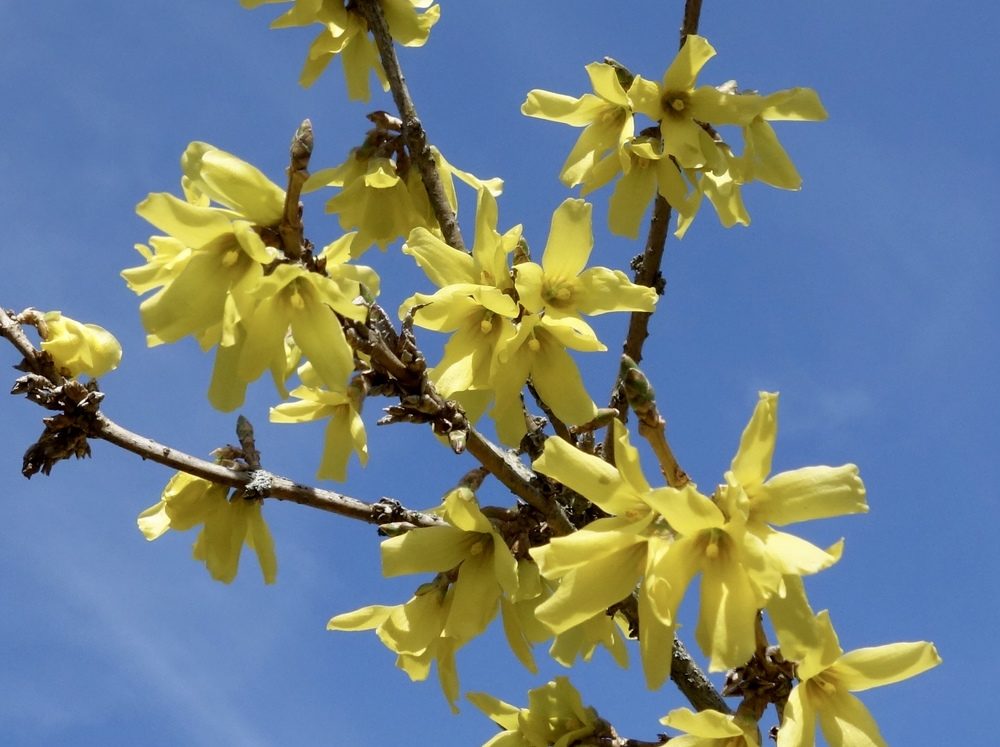
The Arboretum’s Forsythia collection is not only a beautiful display of yellow every spring, but it is also one of the most significant of its kind on the planet. Such is its importance that it is one of the eight Nationally Accredited Collections at the Arnold Arboretum. Some of these accessions were collected from the wild in Asia (including North Korea) while others are cultivars introduced by Arboretum scientists and others to improve the ornamental merits of the genus. Join Keeper of the Living Collections Michael Dosmann on a stroll to learn more about Forsythia and some the storied plants that grow here.

Gather at the magnolias for a one-of-a-kind concert celebrating this beautiful collection in peak bloom. Chloe DeSteno and Ariana Mascari, graduate students at the New England Conservatory, have assembled a collection of musical pieces about the magnolias, their cultural and historical impact, as well as plants and the Arboretum more broadly–including one original piece composed for the Arboretum’s magnolia collection itself. The concert will feature a small orchestra playing genres from Renaissance to jazz, all rooted in classical music.
Have you ever wanted to learn more about the feathered friends you see and hear on a walk through the Arnold Arboretum? If so, please join birders and volunteers TJ and Allison for a leisurely 90-minute bird watching walk.
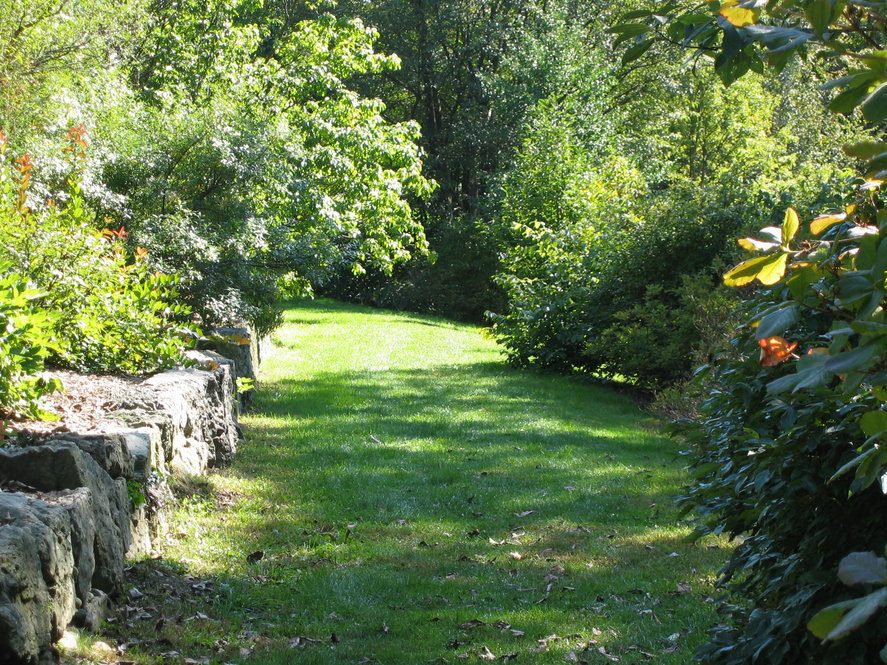
The Explorers Garden rests in a microclimate just below the summit of Bussey Hill. This nearly five-acre site provides ideal growing conditions for many species that have been challenging to grow in less protected areas of the Arboretum. As such, it has proven to be a perfect testing ground for plants collected in the expeditions of E. H. Wilson in the early 1900s to the NACPEC (North America-China Plant Exploration Consortium) expeditions of our own time. Join docent Marie Herbert for a guided tour to learn more about some of the plants showcased in this special collection and to hear stories of the plant exploration expeditions that brought them to the Arboretum.
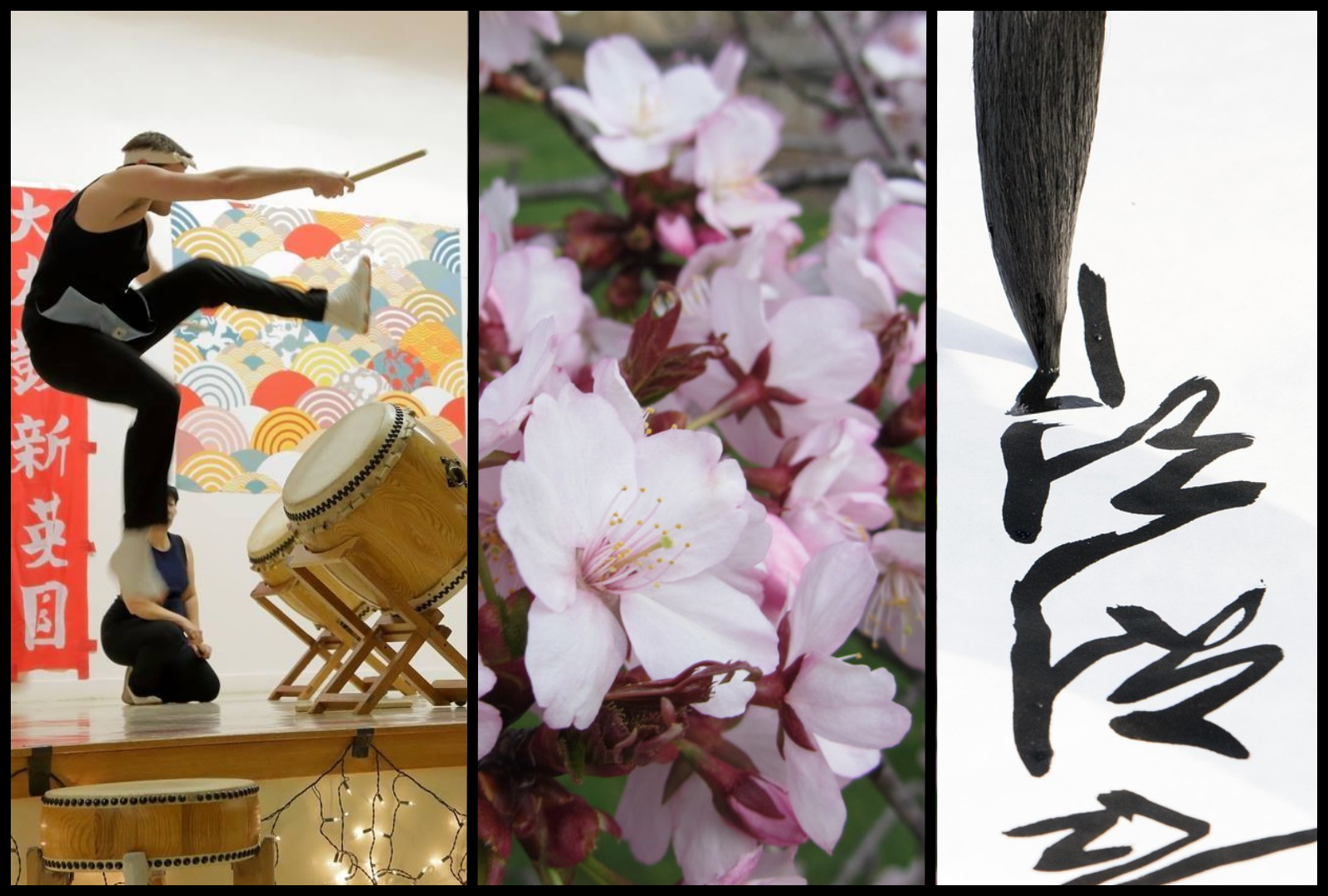
Come celebrate Japanese culture amongst the Arboretum’s beautiful cherry blossoms with taiko drumming, traditional Japanese dance, Japanese games and calligraphy, family activities, and the inside scoop on the Arboretum’s own cherry collection.
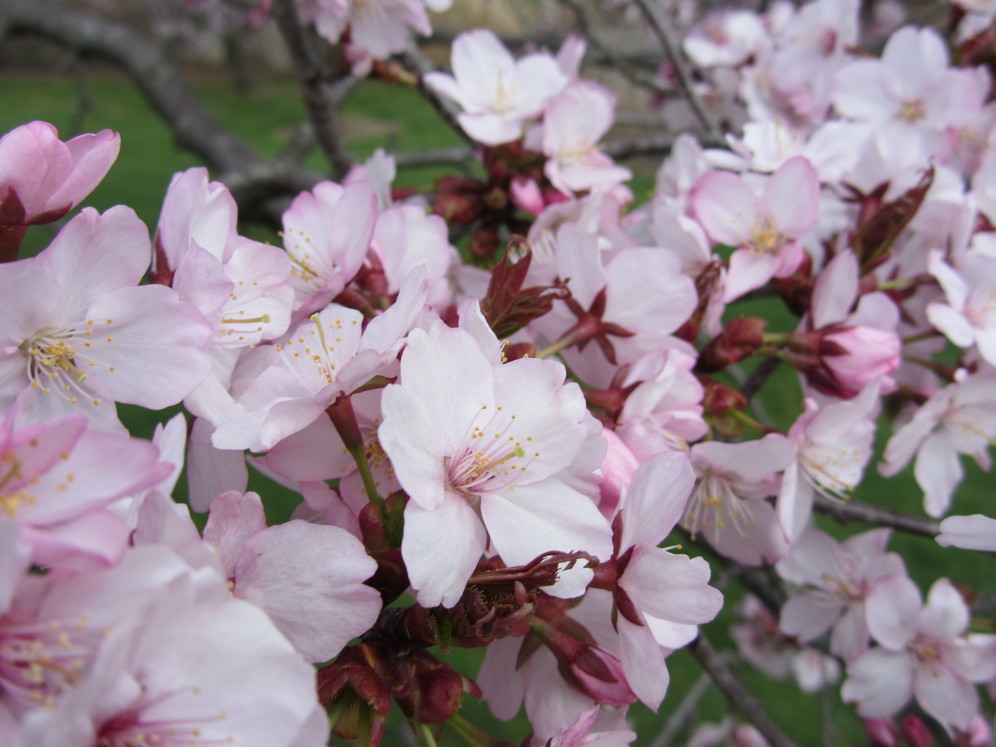
The cherry trees are blooming at the Arboretum! Join Horticulturist Rachel Lawlor to learn about cherry trees’ history and cultural ties, the cultivars the Arboretum has introduced, how to identify cherry species and how to care for them in your own yard.
Embark on a birdwatching tour in the Arboretum’s landscape with docent and birder Donna Sullivan. This two-hour tour is suitable for adult beginners as well as more experienced birders.
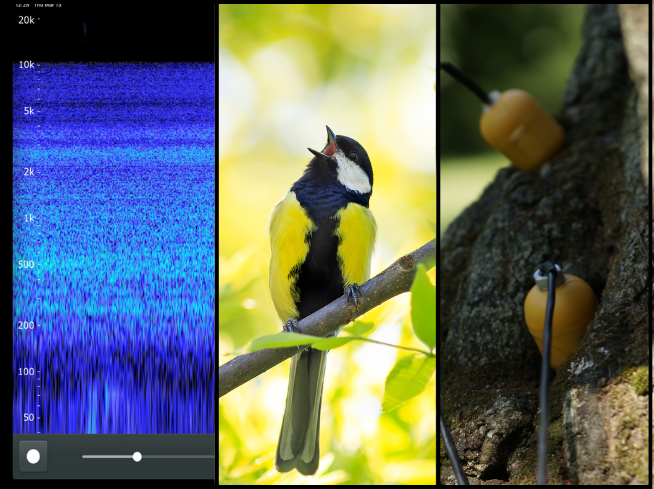
Stop by the Hunnewell lawn to experience the sounds of the Arboretum in a new way. Work with a birder to learn how to identify birds from their unique calls, listen to the sounds of a tree or soil amplified through specially designed microphones, participate in a “listening launchpad” activity to find sounds around the Arboretum landscape, engage in conversation prompts about the sounds of the landscape, and enjoy a guided soundscape meditation.
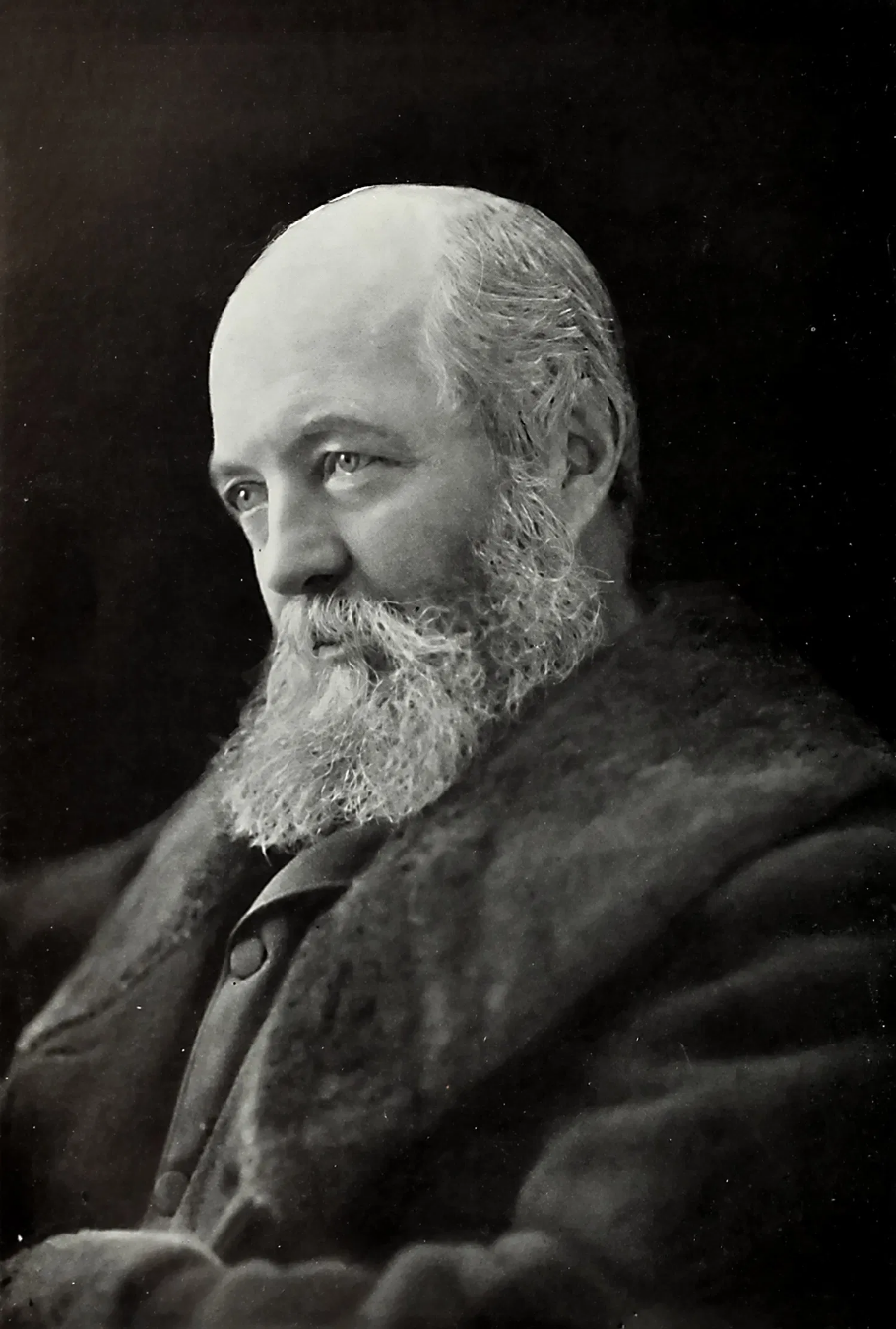
Frederick Law Olmsted, considered the father of landscape architecture, designed some 500 public spaces in North America. The Arnold Arboretum is the only arboretum he designed, a National Historic Landmark, and a model for others around the world. Docent Bill Beizer, will identify the elements of the Arboretum that best reflect Olmsted’s philosophy and approach to landscape design.
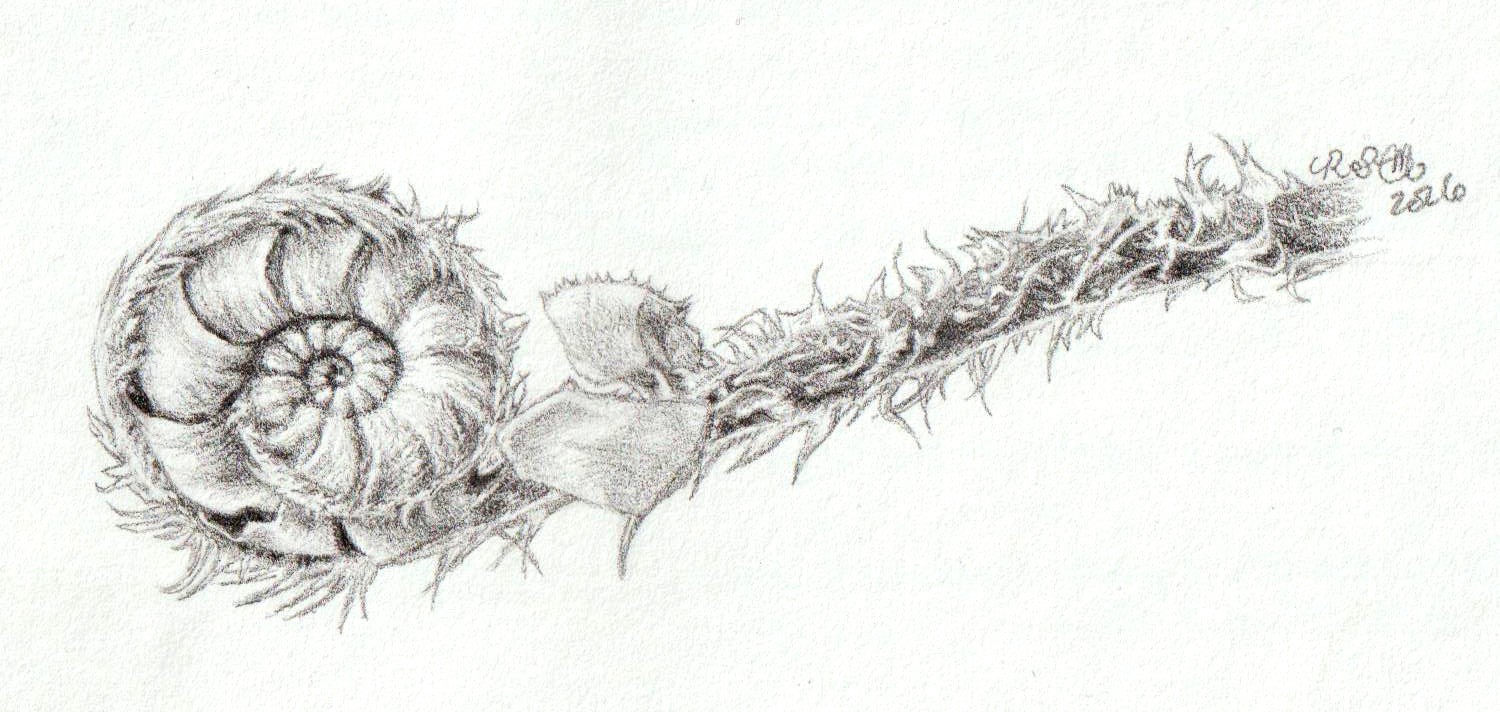
Discover the patterns that shape the plant world in this hands-on art program, from spirals that follow the fibonacci sequence to branching that creates infinite fractals. After a brief crash course on the math and science behind these patterns with instructor Rachel Mirus, you will move into creative, art-based activities to explore these patterns further and start creating some of your own.

At the end of April, flowers are just starting to emerge from the trees and shrubs of the Arboretum: cherry trees, dogwood, redbuds, and magnolias are all blooming this time of year. Join Arboretum docent Paul Eldrenkamp to see, smell, and learn about these early spring blooms!

Gather at the cherry blossoms for a one-of-a-kind concert celebrating this beautiful collection in peak bloom. Chloe DeSteno and Ariana Mascari, graduate students at the New England Conservatory, have assembled a collection of musical pieces about the cherries, their cultural and historical impact, as well as plants and the Arboretum more broadly–including one original piece composed for the Arboretum’s cherry collection itself. The concert will feature a small orchestra playing genres from Renaissance to jazz, all rooted in classical music.
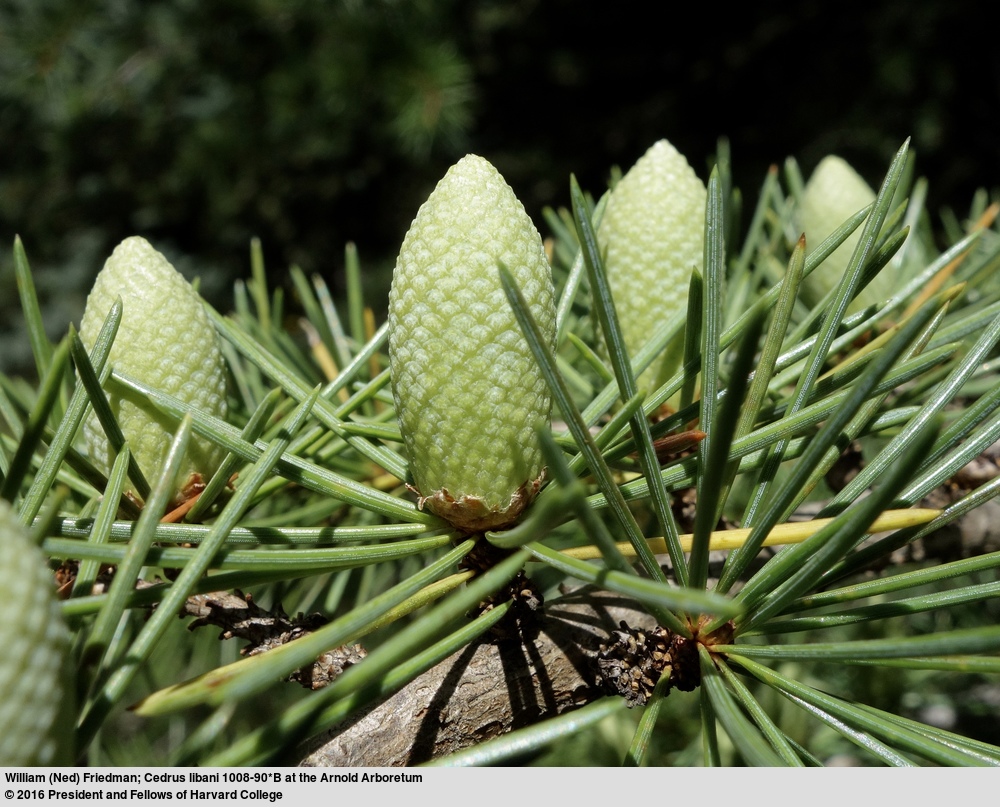
The Arboretum collections hail from over 60 countries, from Turkey and Morocco to Bhutan and Japan. Join Keeper of the Living Collections Michael Dosmann for a walk across the landscape and discover trees and shrubs from around the world. Along the way, you will learn about our collecting expeditions, what parts of the world we can and cannot collect from, and how the Arboretum uses microclimates and management techniques to grow plants from a wide range of countries.

*Rescheduled from April 19 due to rain.* If our ears were 100 times more powerful than they are, we would be able to hear the sounds produced by trees themselves: water moving through the trunks and branches, the creak of the wood in the wind, and small critters moving around in the wood or the canopy. We would even be able to hear how plants receive and respond to sound waves produced by other beings. Our ears are not this powerful, but artist, researcher, and Harvard Graduate School of Design fellow Jacek Smolicki has created microphones and recording systems that are. Join Jacek for an indoor introduction to his specialized microphone technology, then move outside for a walk to try out the microphones around the landscape and listen to the amplified sounds they create.
*Rescheduled from April 19 due to rain.* If our ears were 100 times more powerful than they are, we would be able to hear the sounds produced by trees themselves: water moving through the trunks and branches, the creak of the wood in the wind, and small critters moving around in the wood or the canopy. We would even be able to hear how plants receive and respond to sound waves produced by other beings. Our ears are not this powerful, but artist, researcher, and Harvard Graduate School of Design fellow Jacek Smolicki has created microphones and recording systems that are.
Join Jacek for an indoor introduction to his specialized microphone technology, then move outside for a walk to try out the microphones around the landscape and listen to the amplified sounds they create.
Join us at the Arboretum as we read and discover new things about the natural world. During this one-hour program for our youngest guests and their grownups, we will read a nature inspired story, do a craft/activity, and go for a nature walk to continue exploring the theme.

The Arnold is considered the “Mother Arboretum” for the modern crabapple, with over 50 species and 91 cultivars represented throughout the landscape. Join Assistant Curator of Living Collections Miles Sax and Horticulturist Lindsay Davies for a tour of the flowering crabapples on Peters Hill as they reach peak bloom in late April and May, and learn about the history and conservation of this fascinating collection.
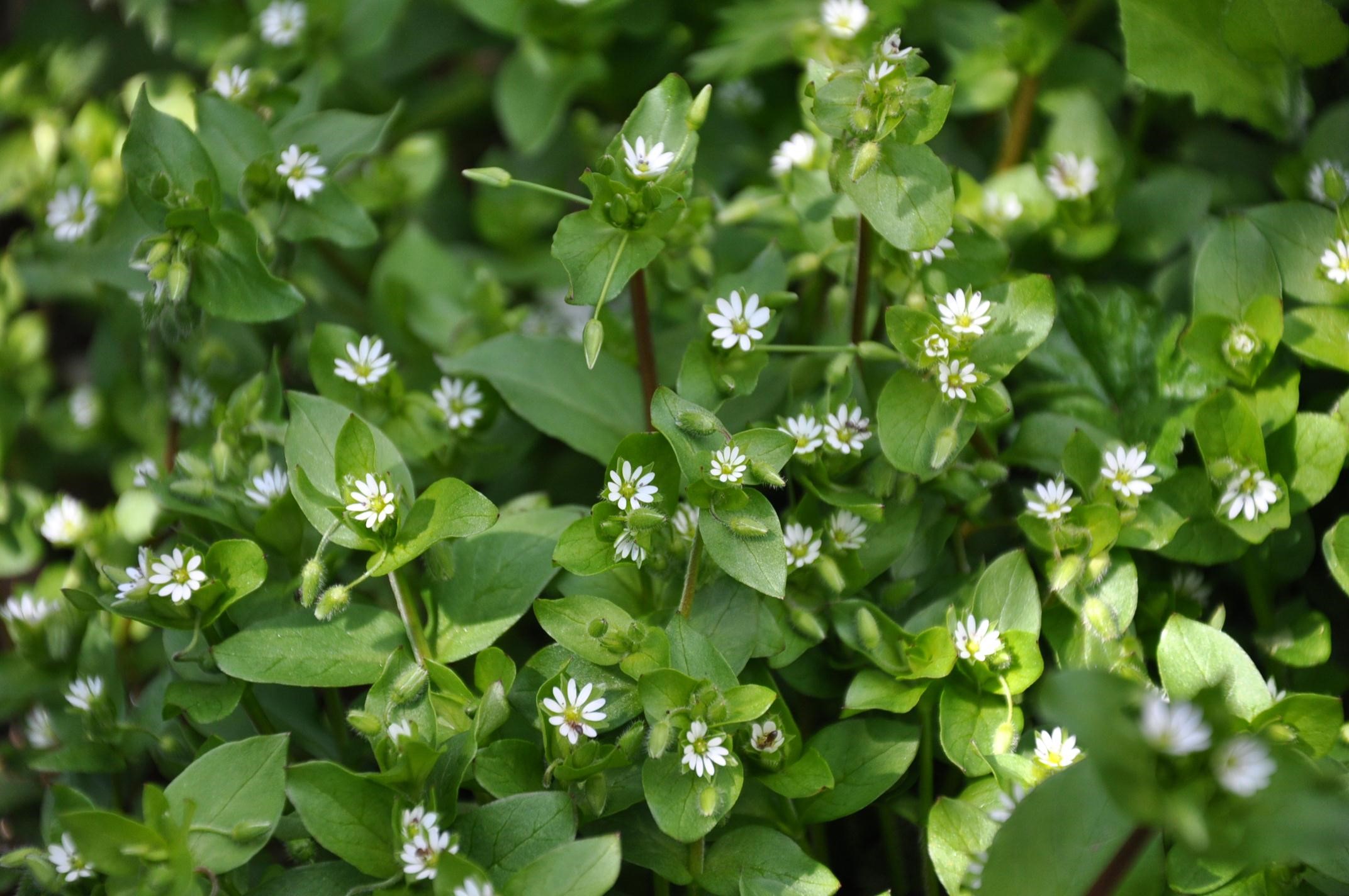
*Rescheduled from April 4 to May 2. As small, herbaceous plants begin to pop out of the soil and carpet the landscape, early spring is a great time to learn what some of these plants are and how to identify them. Join Manager of Adult Programming and Events Sarah Nechamen for a plant ID walk in the landscape and learn how to identify plants like chickweed, creeping charlie, and stinging nettle.

Keeping a nature journal can be a great way to record and enhance your explorations of nature. In this outdoor walking program, participants will practice mindfully observing the natural world, taking careful notes, and creating beautiful sketches of their surroundings. Artist and educator Erica Beade will provide thoughtful prompts and artistic guidance along the way. All skill levels are welcome.

La terapia de bosque, también conocida como baño de bosque o shinrin-yoku, es una práctica basada en evidencia que te conecta con la naturaleza de manera amable, curiosa y consciente. En el ritmo acelerado del mundo de hoy, esta experiencia cuidadosamente diseñada te invita a tomar una pausa, despertar tus sentidos y disfrutar de lo que nos ofrece la naturaleza.
Hundreds of mushrooms hide beneath the Arboretum’s canopies, silently blossoming into unique forms then withering away again just as quickly. Join local mushroom enthusiast Maria Pinto to search for these fascinating organisms on the Arboretum grounds, both edible and poisonous alike. Along the way you will learn what mushrooms to look for in different habitats and seasons, how they move through ecosystems, and what the Arboretum’s unique collections affect what mushrooms you might find here.

*Rescheduled to May 3 due to rain* Gather at Peters Hill Summit for a one-of-a-kind concert celebrating the beautiful crabapple collection in peak bloom. Chloe DeSteno and Ariana Mascari, graduate students at the New England Conservatory, have assembled a collection of musical pieces about the crabapples and Peters Hill, as well as plants and the Arboretum more broadly–including one original piece composed specifically for this part of the Arboretum. The concert will feature a small orchestra playing genres from Renaissance to jazz, all rooted in classical music.
Join us at the Arboretum as we read and discover new things about the natural world. During this one-hour program for our youngest guests and their grownups, we will read a nature inspired story, do a craft/activity, and go for a nature walk to continue exploring the theme.
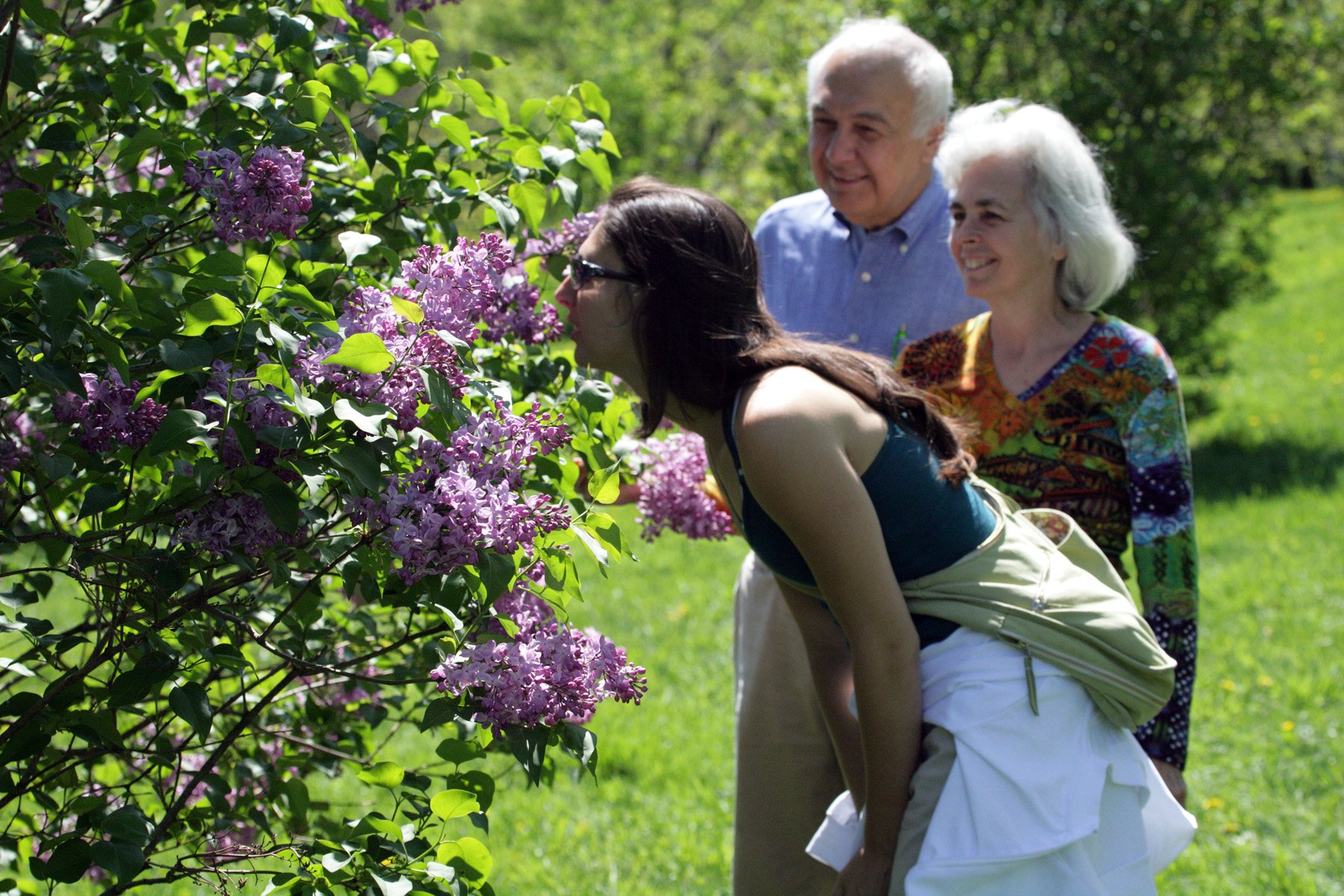
Lilacs are blooming in the Arboretum throughout the month of May, not only on Lilac Sunday! Join our enthusiastic docents on a 45-minute amble up the hill from the ponds to see the lilacs, enjoy their scents, and hear the stories of the many different lilacs in our collection.
Lilacs are blooming in the Arboretum throughout the month of May, not only on Lilac Sunday! Join our enthusiastic docents on a 45-minute amble up the hill from the ponds to see the lilacs, enjoy their scents, and hear the stories of the many different lilacs in our collection.
Have you ever wanted to learn more about the feathered friends you see and hear on a walk through the Arnold Arboretum? If so, please join birders and volunteers TJ and Allison for a leisurely 90-minute bird watching walk.
Lilacs are blooming in the Arboretum throughout the month of May, not only on Lilac Sunday! Join our enthusiastic docents on a 45-minute amble up the hill from the ponds to see the lilacs, enjoy their scents, and hear the stories of the many different lilacs in our collection.
Lilacs are blooming in the Arboretum throughout the month of May, not only on Lilac Sunday! Join our enthusiastic docents on a 45-minute amble up the hill from the ponds to see the lilacs, enjoy their scents, and hear the stories of the many different lilacs in our collection.
Lilacs are blooming in the Arboretum throughout the month of May, not only on Lilac Sunday! Join our enthusiastic docents on a 45-minute amble up the hill from the ponds to see the lilacs, enjoy their scents, and hear the stories of the many different lilacs in our collection.
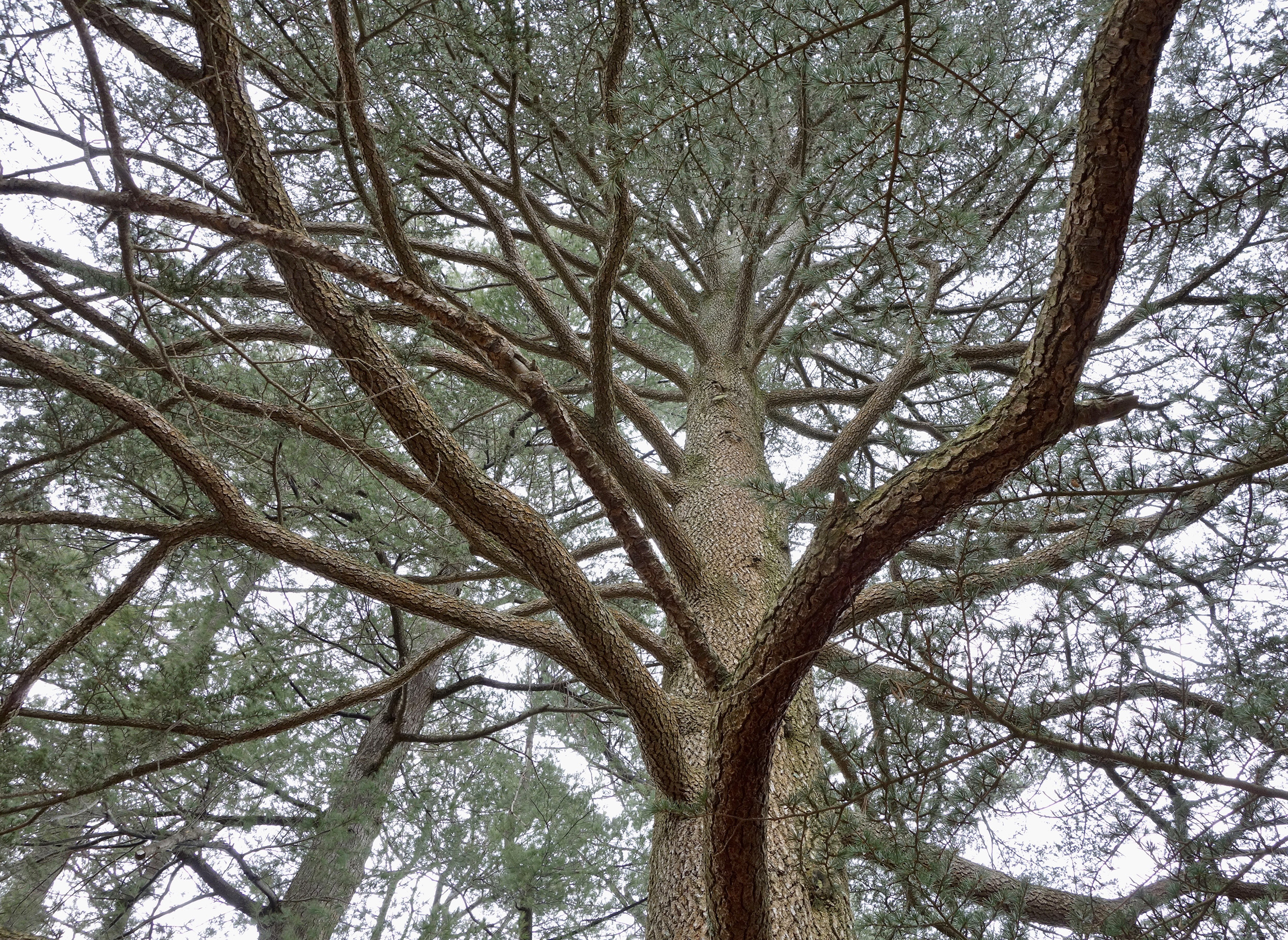
Join docent Paul Eldrenkamp for a visit to four groups of trees that each played a particularly significant role in shaping very different civilizations: Eastern White Pine, Cedar of Lebanon, Western Red Cedar, and the five sacred trees of the Kiso Forest in Japan.
Experience the springtime bloom of our renowned lilac collection with Lilac Sunday, offering fun, free explorations for the entire family. The event features ongoing tours of the Arboretum’s lilacs as well as art, family activities, and picnicking on this day only. Visitors may also enjoy a host of self-guided tours, including a lilac tour, via the Arboretum website and its Expeditions app.