The Arnold Arboretum of Harvard University is a museum of trees teaching the world about plants.
-
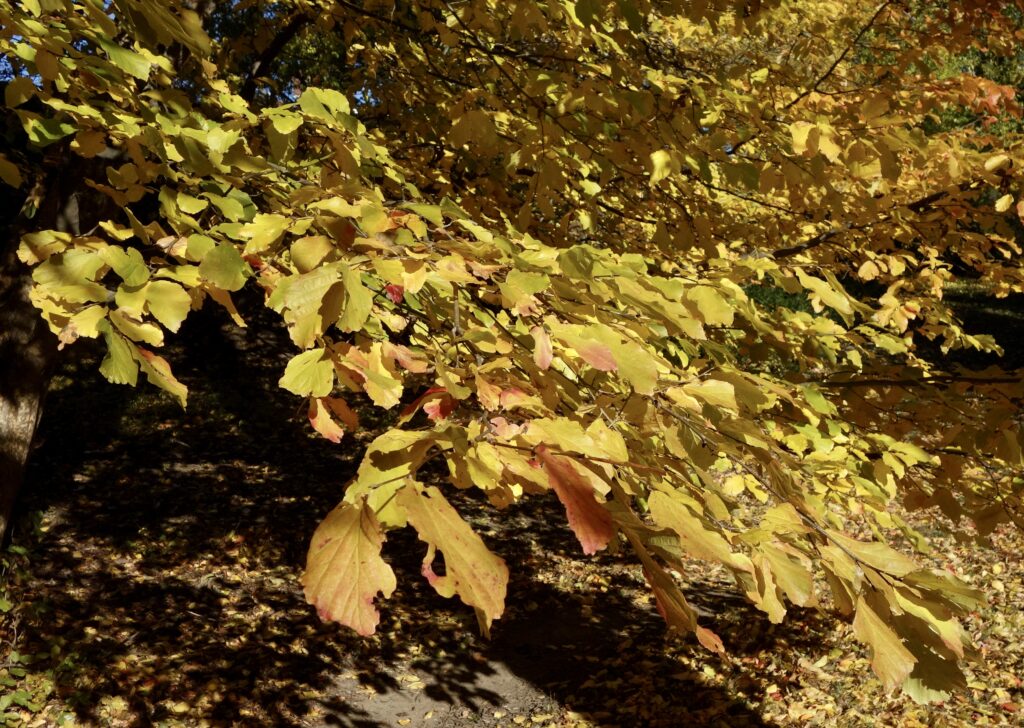
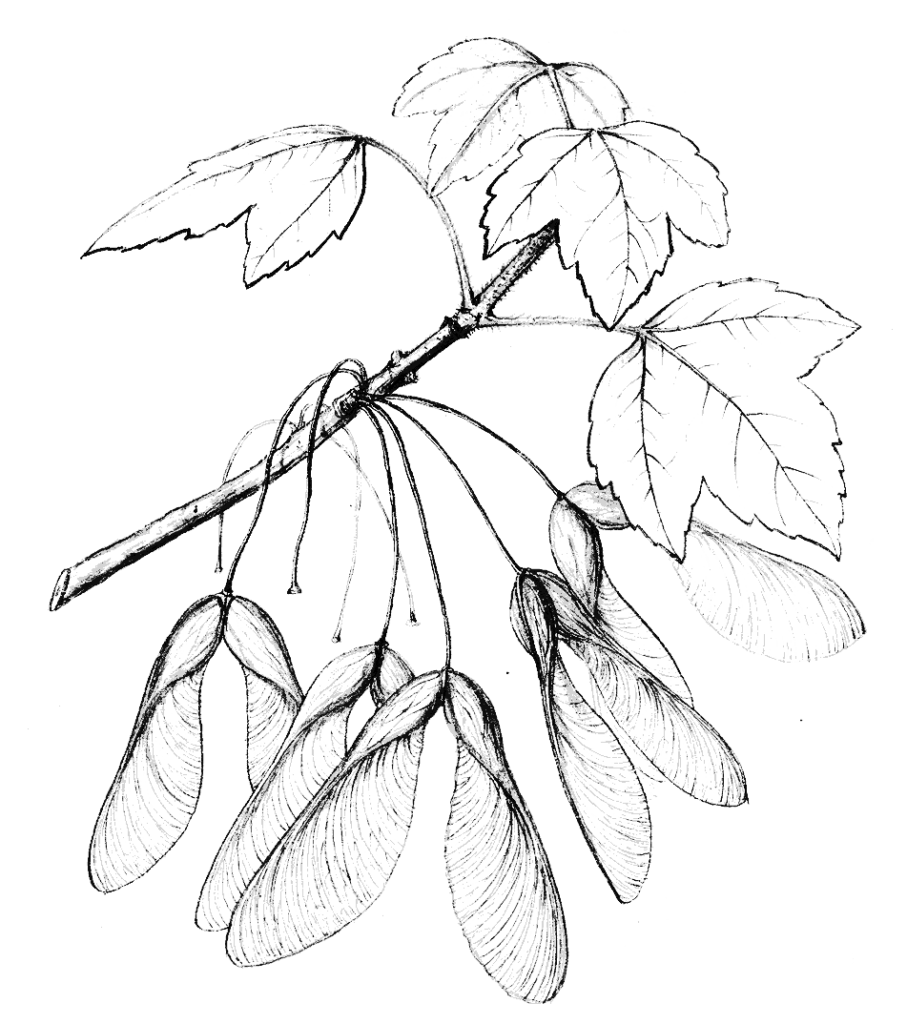
Cultivar of Full Moon Maple 179-95*B
-
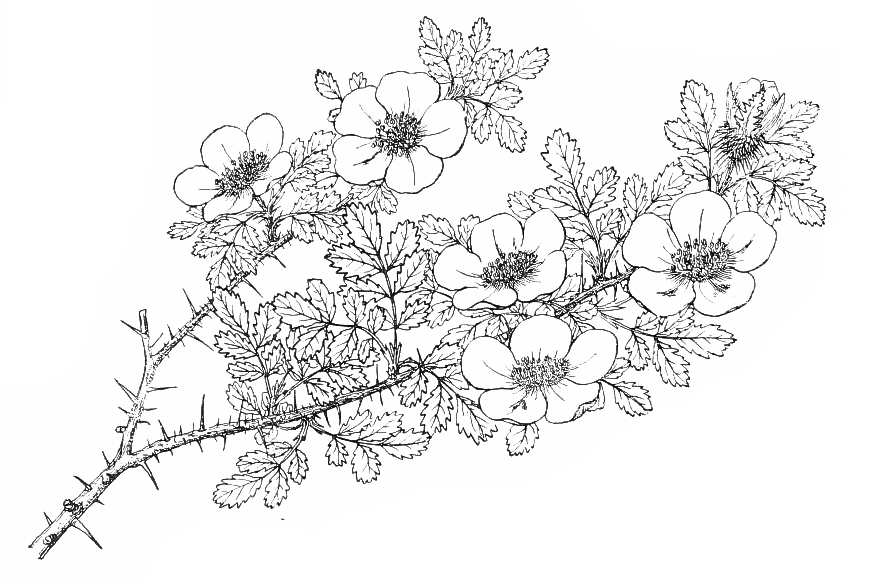
Seven-son Flower 425-91*D
-
Beech Viburnum 963-85*C
-
Golden Larch 16779*A
-
Black Walnut 1181*A
-
Shiny Hawthorn 85-85*B
-
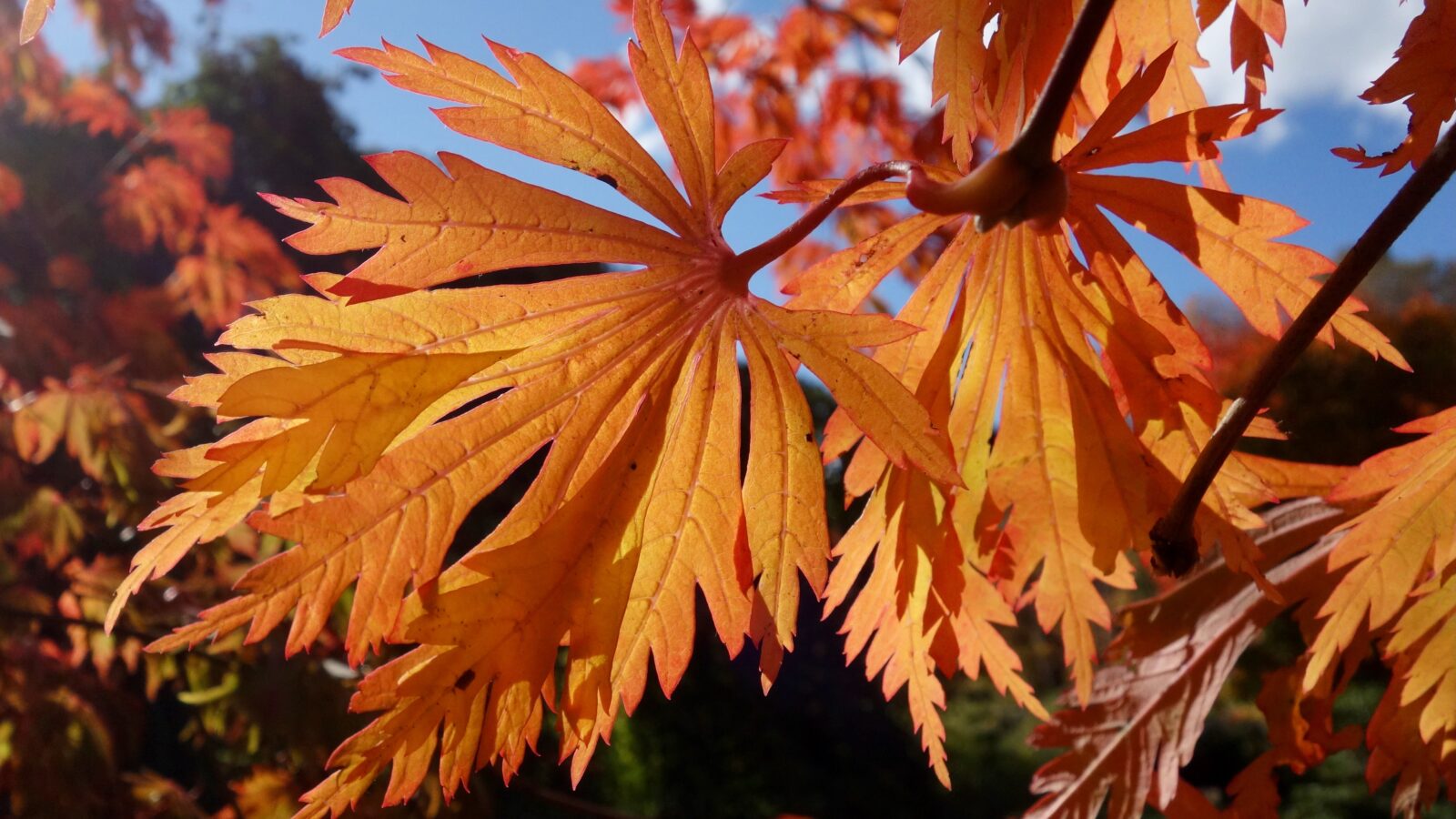
Cultivar of Full Moon Maple 179-95*B -
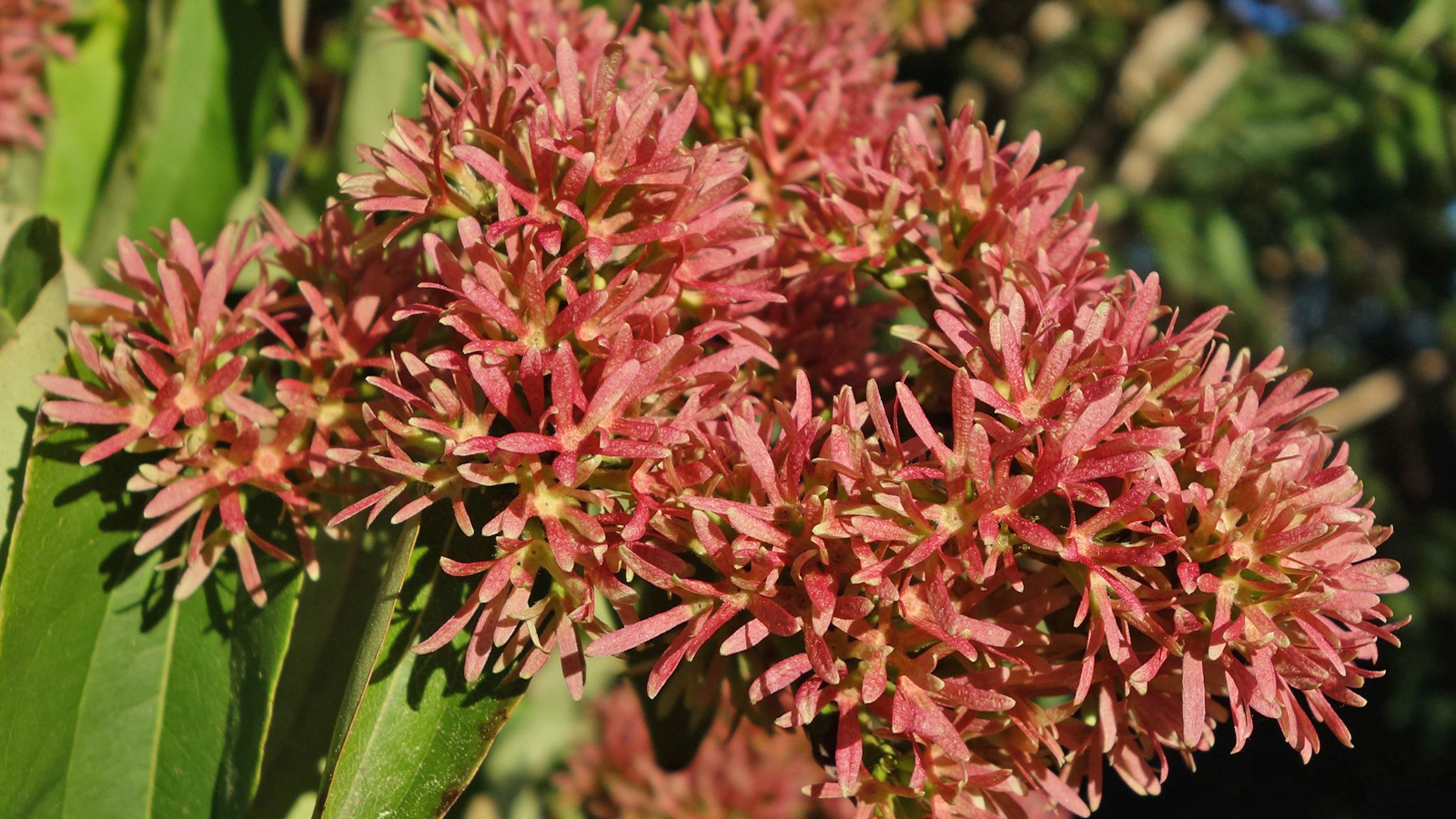
Seven-son Flower 425-91*D -
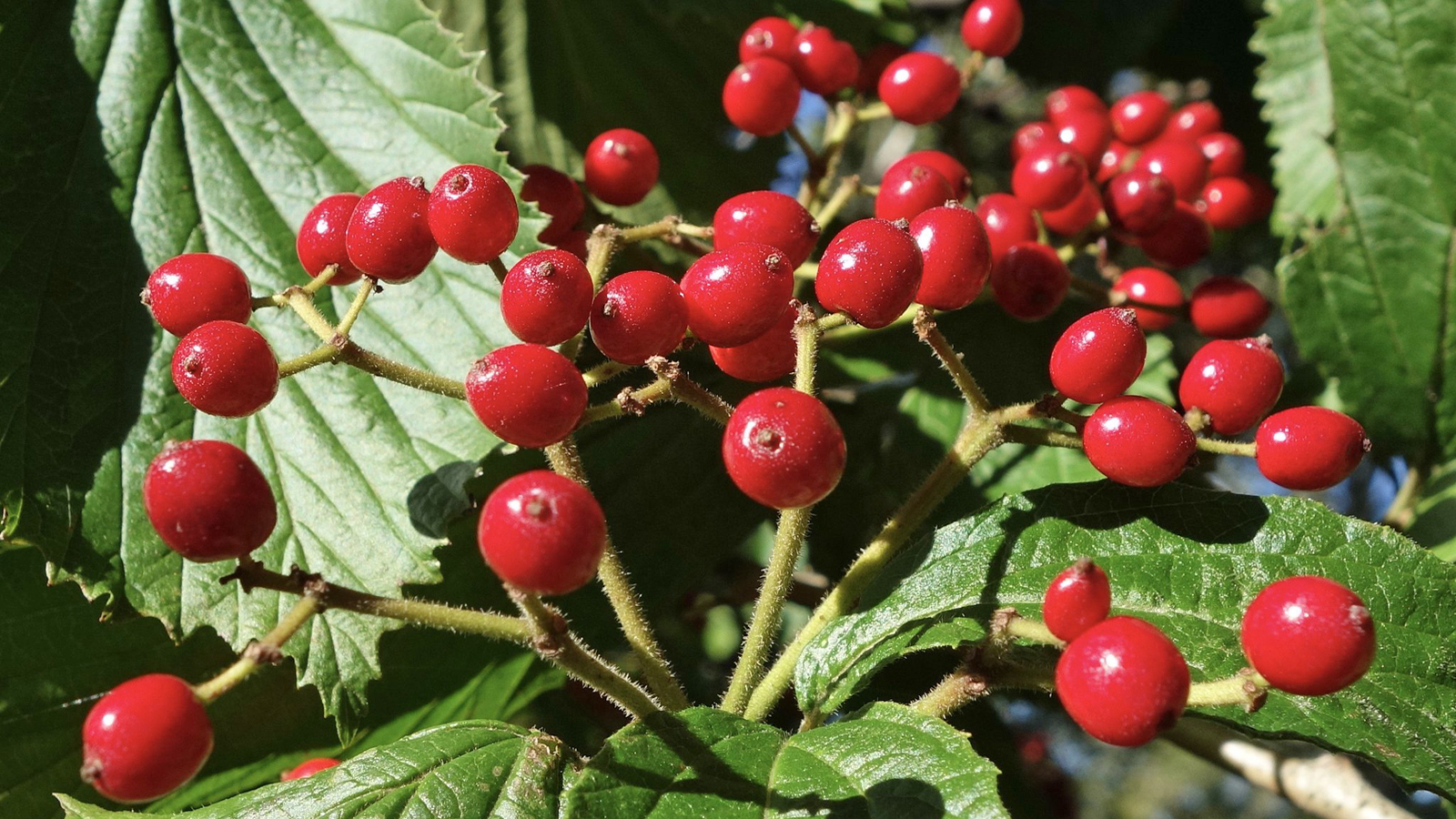
Beech Viburnum 963-85*C -
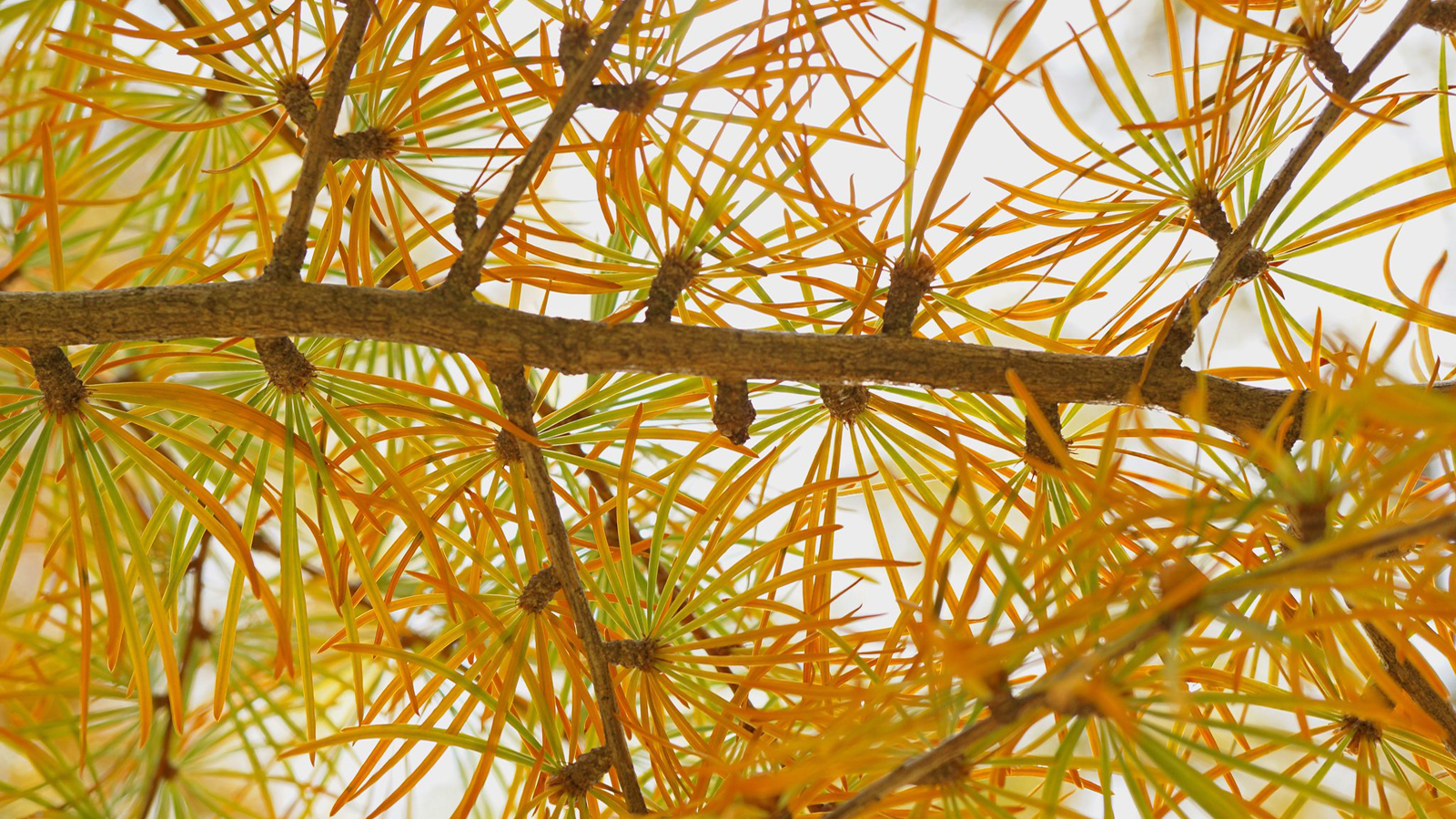
Golden Larch 16779*A -
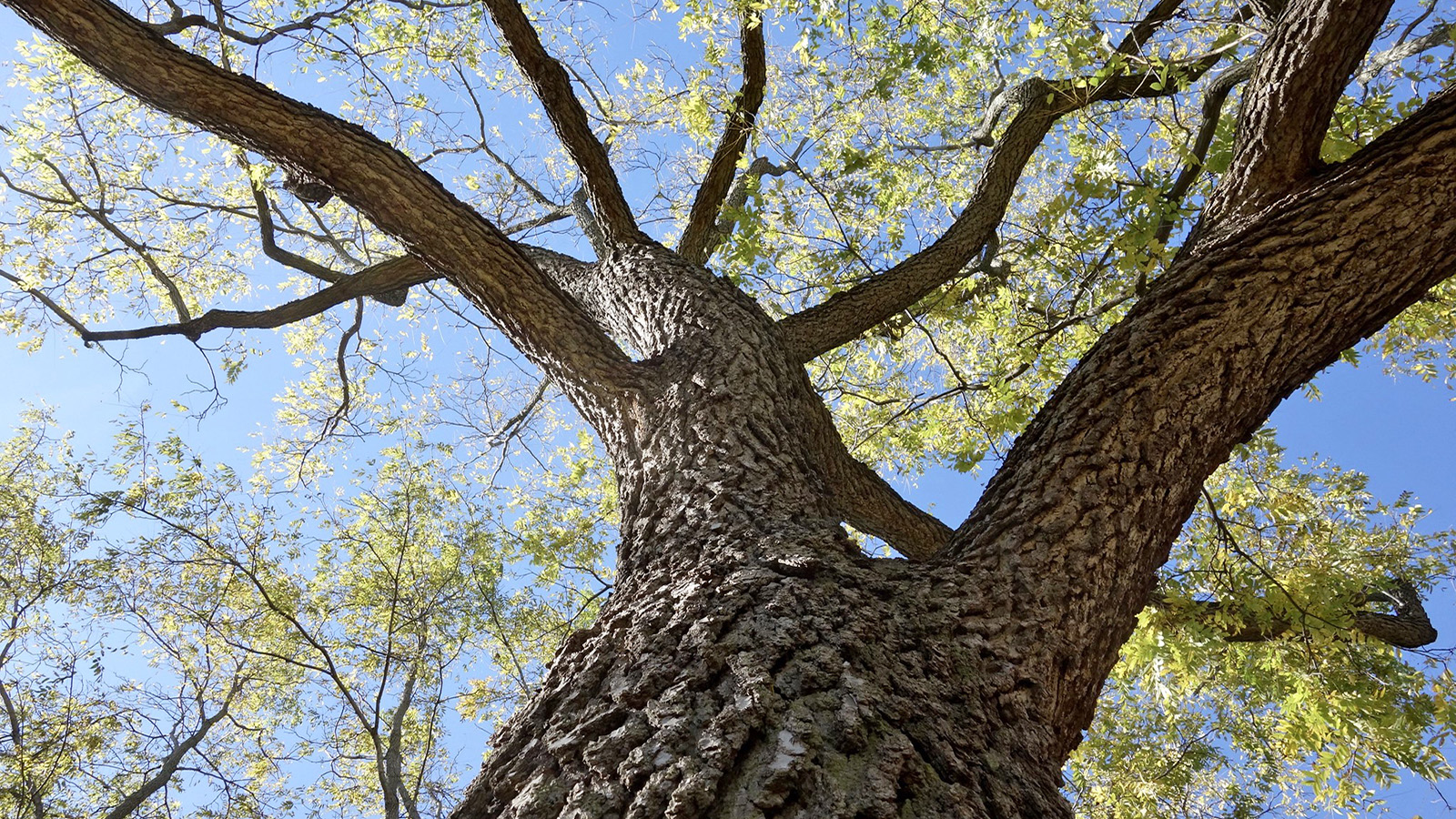
Black Walnut 1181*A -
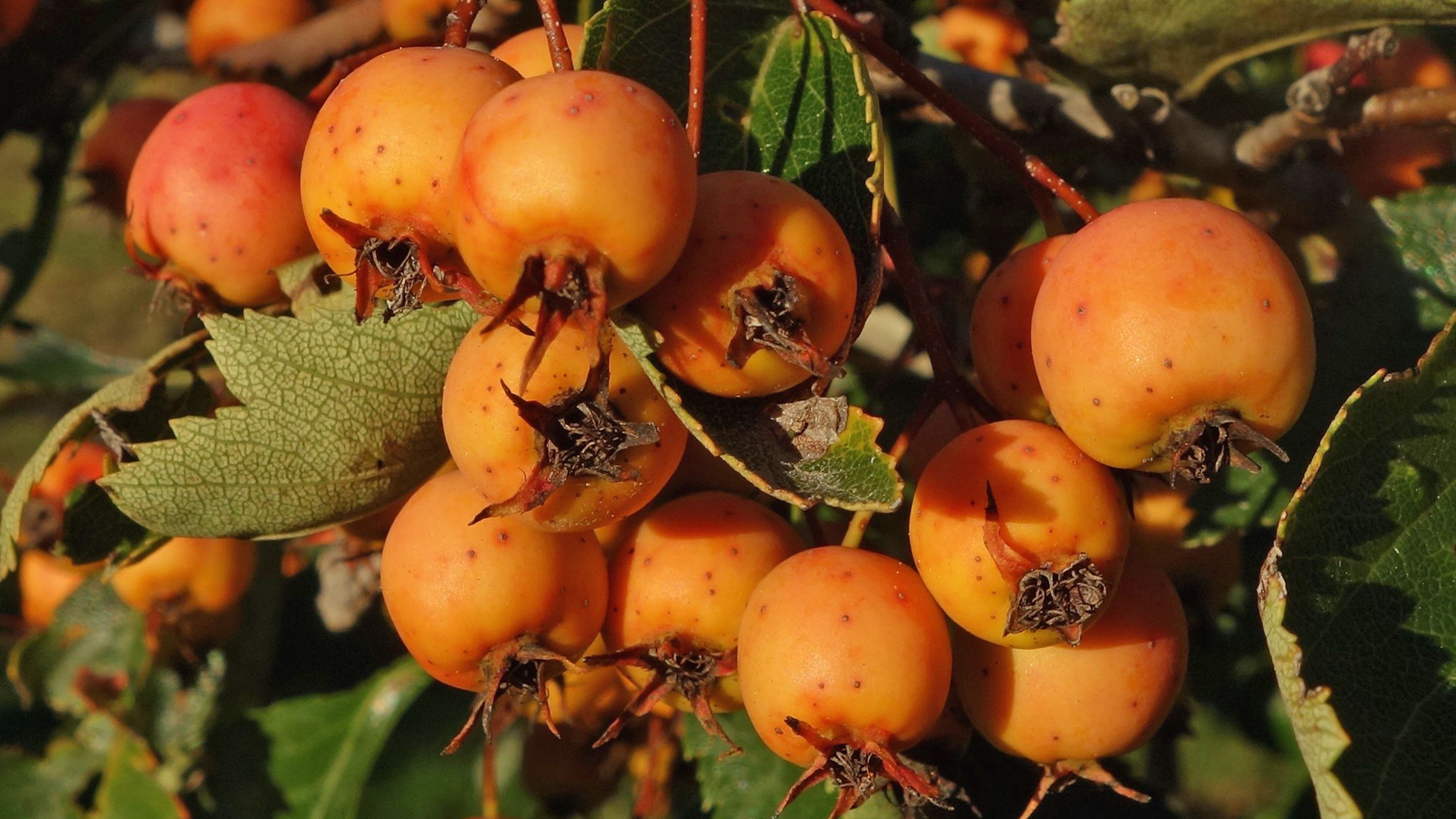
Shiny Hawthorn 85-85*B
What’s New
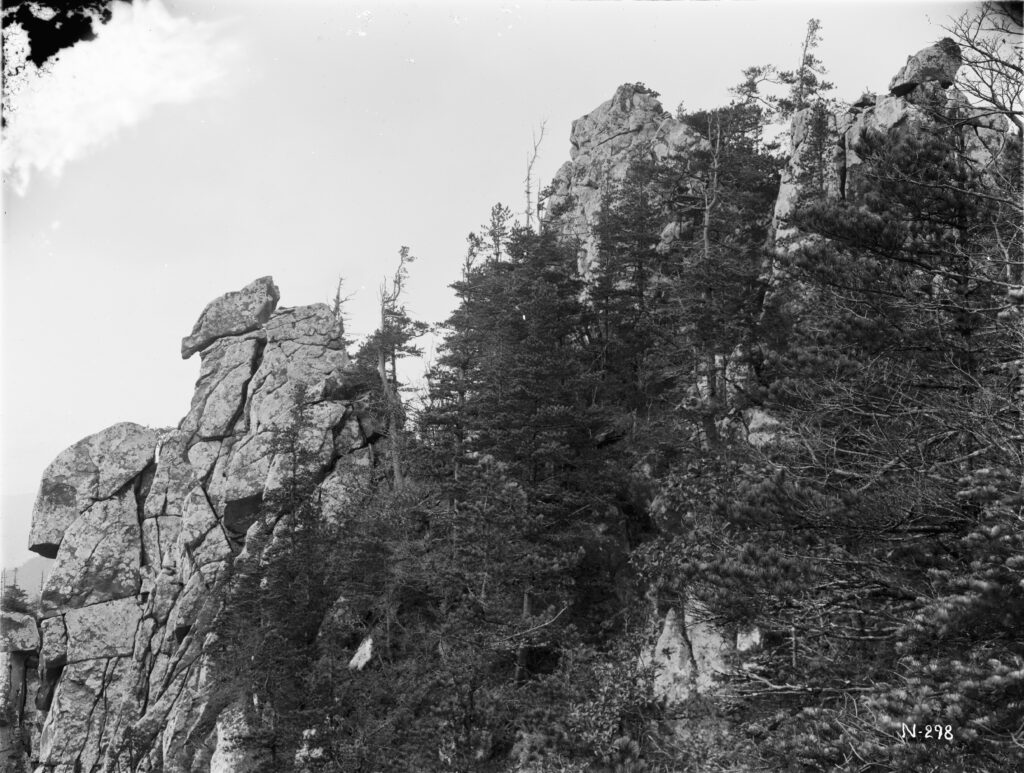
October 24, 2026–June 13, 2027
Living Connections: The Arnold Arboretum and Korea
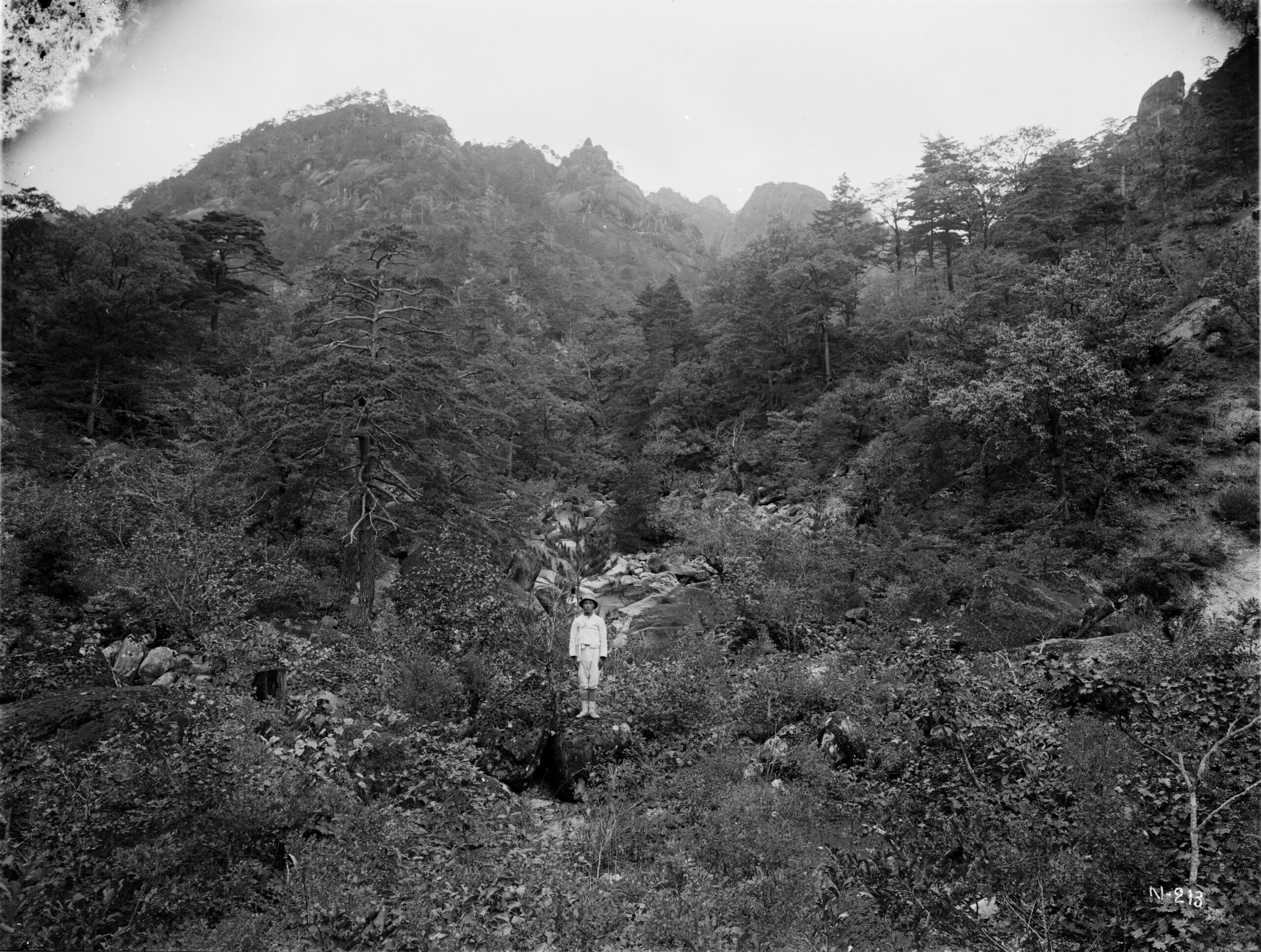
On October 24, the Arnold Arboretum opens "Living Connections: The Arnold Arboretum and Korea" in the Hunnewell Building Visitor Center. This free exhibition explores a century of connections between the Arnold Arboretum and its collections, Korea’s flora and landscapes, and the people whose knowledge and work have shaped botanical history. At its center are archival photographs and records from Ernest Henry Wilson’s 1917–1919 expedition to the Korean Peninsula, offering rare views of plants, architecture, landscapes, and daily life during a period of profound political and social change. Paired with plants that still grow at the Arboretum, these materials reveal how botanical exploration influenced our collections in Boston and continue to support research, conservation, and international partnerships. "Living Connections" also examines colonialism, the division of Korea, and bias in historic names and records, while highlighting contemporary efforts to recognize Korean scientists, restore identities, and build more reciprocal collaborations for the preservation of global biodiversity.
Stories

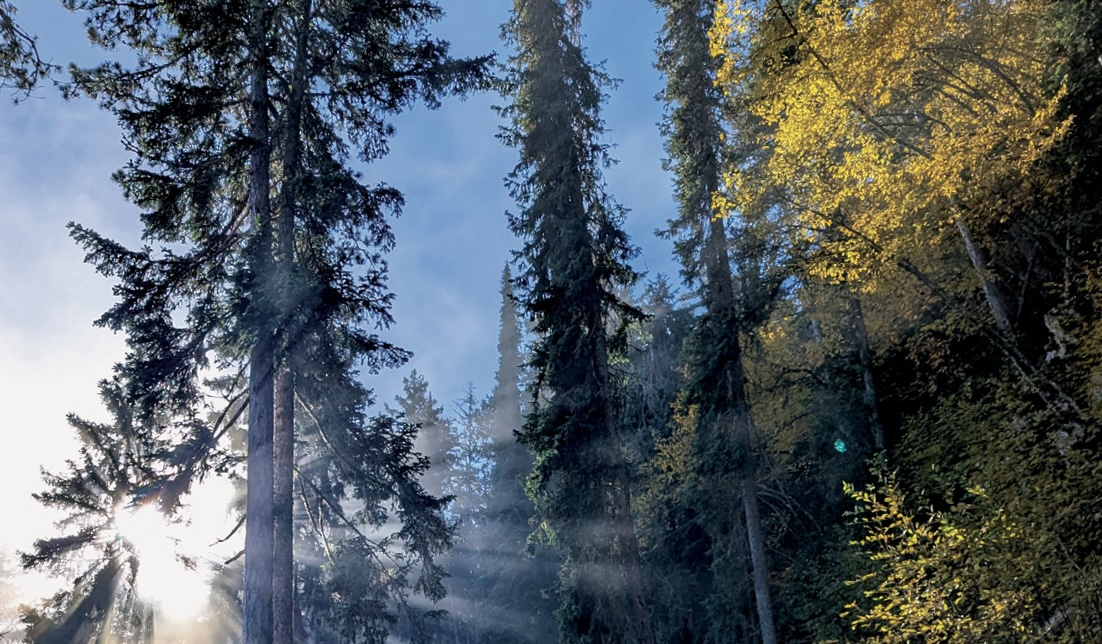
Today’s Virtual Walks
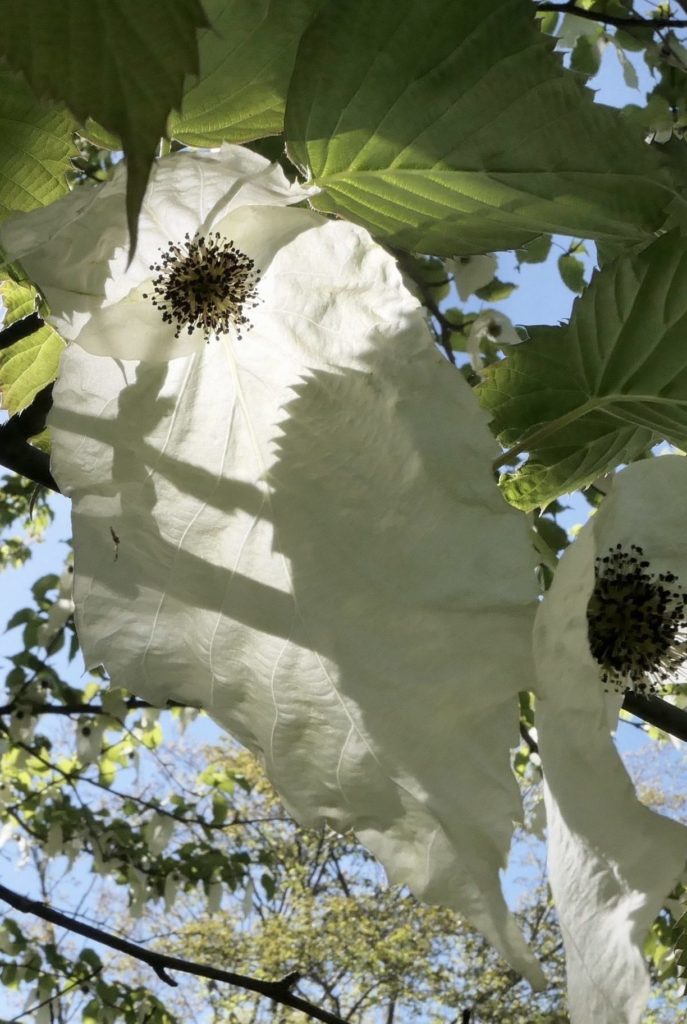
Explorers Garden Tour

Keeper’s Tour
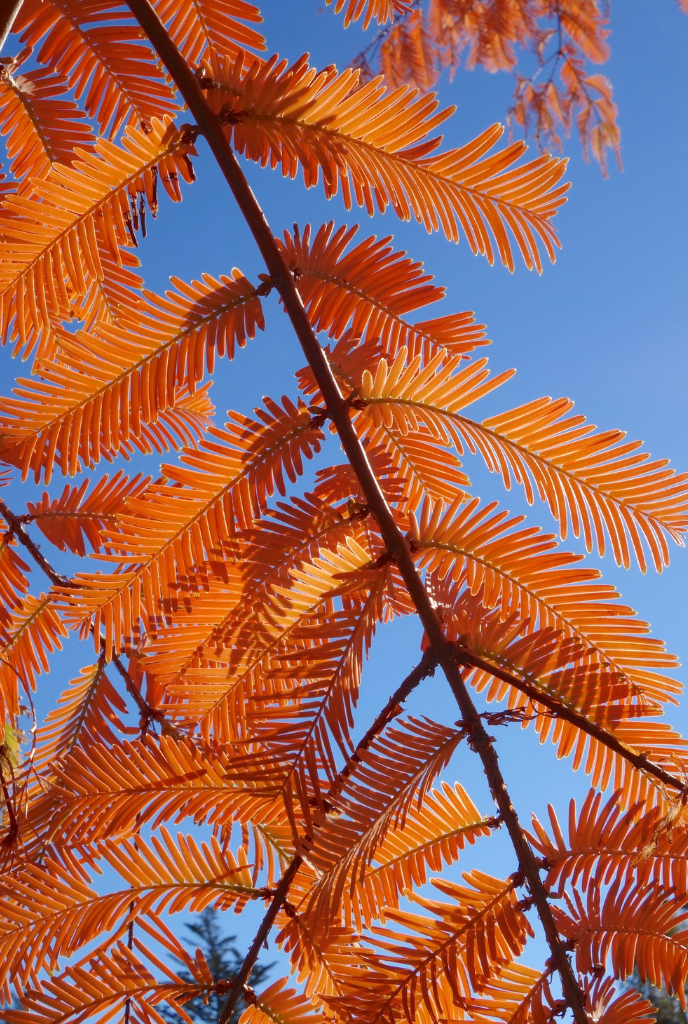
Introductory Tour
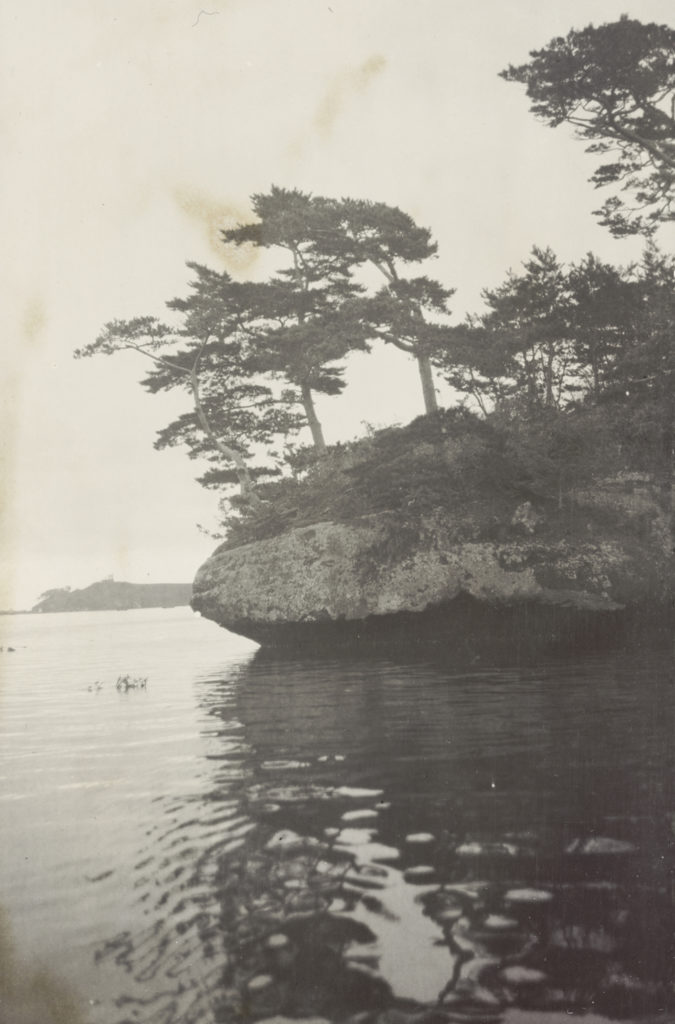
A Walk Through Time, Part 2
Plants & Collections
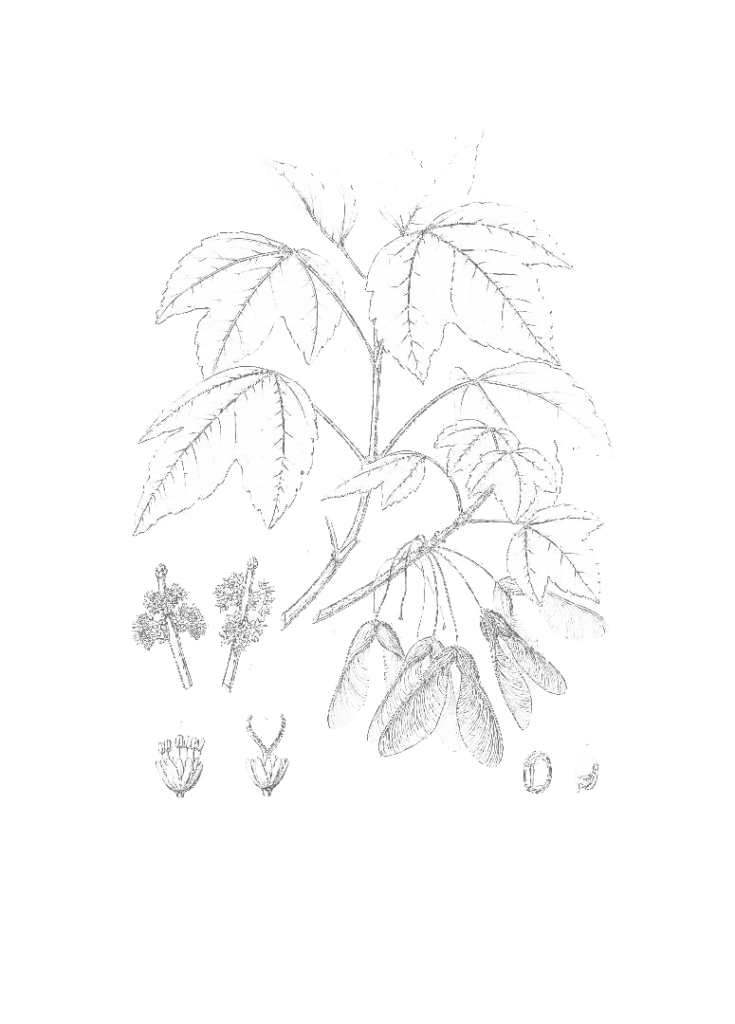
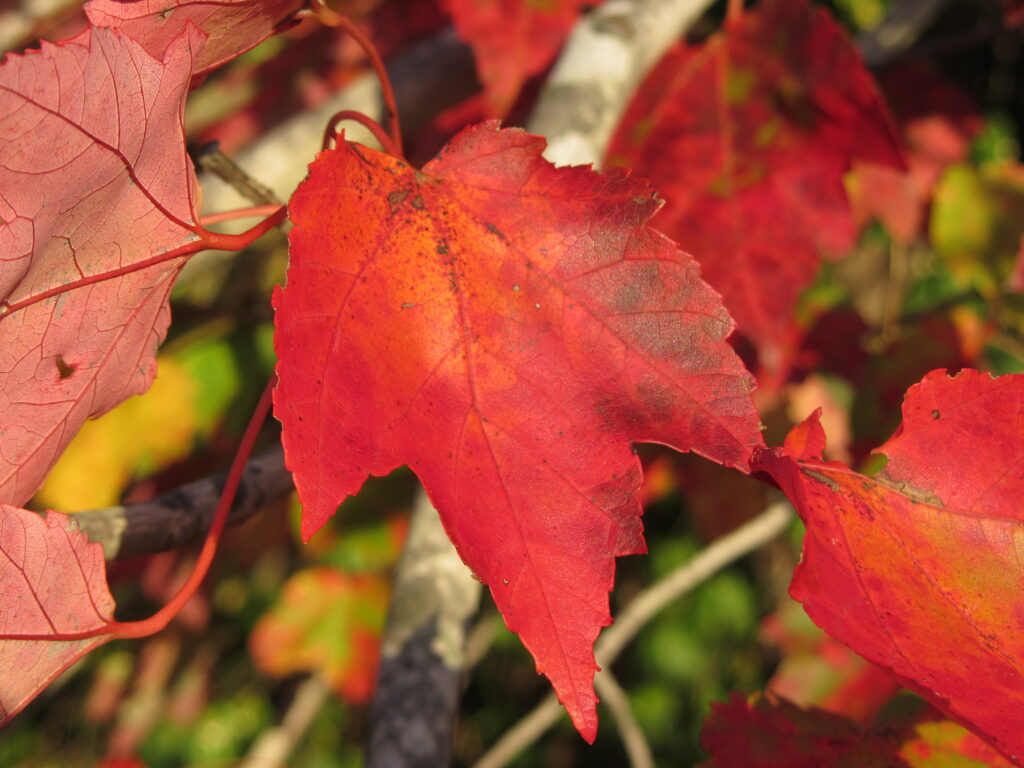
‘Schlesingeri’ Red Maple
‘Schlesingeri’ showcases the earliest fall color of all red maples. It was also one of the first cultivars that the Arnold Arboretum of Harvard University introduced in the late 19th century.
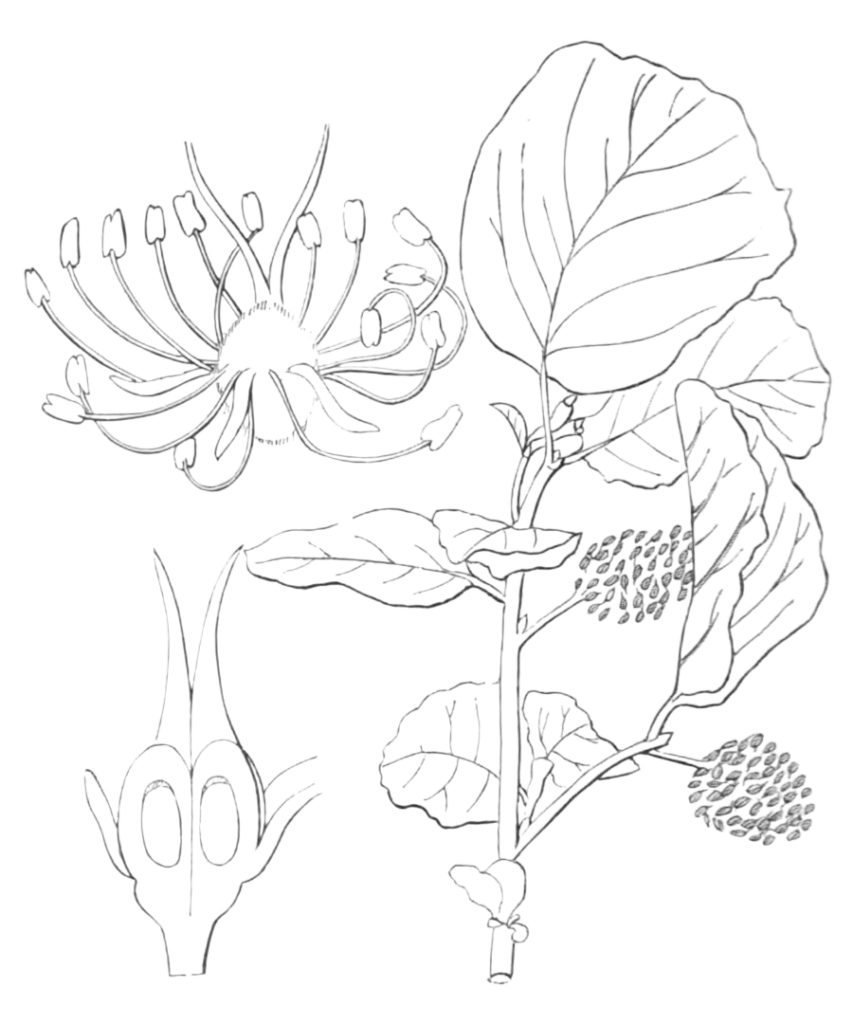
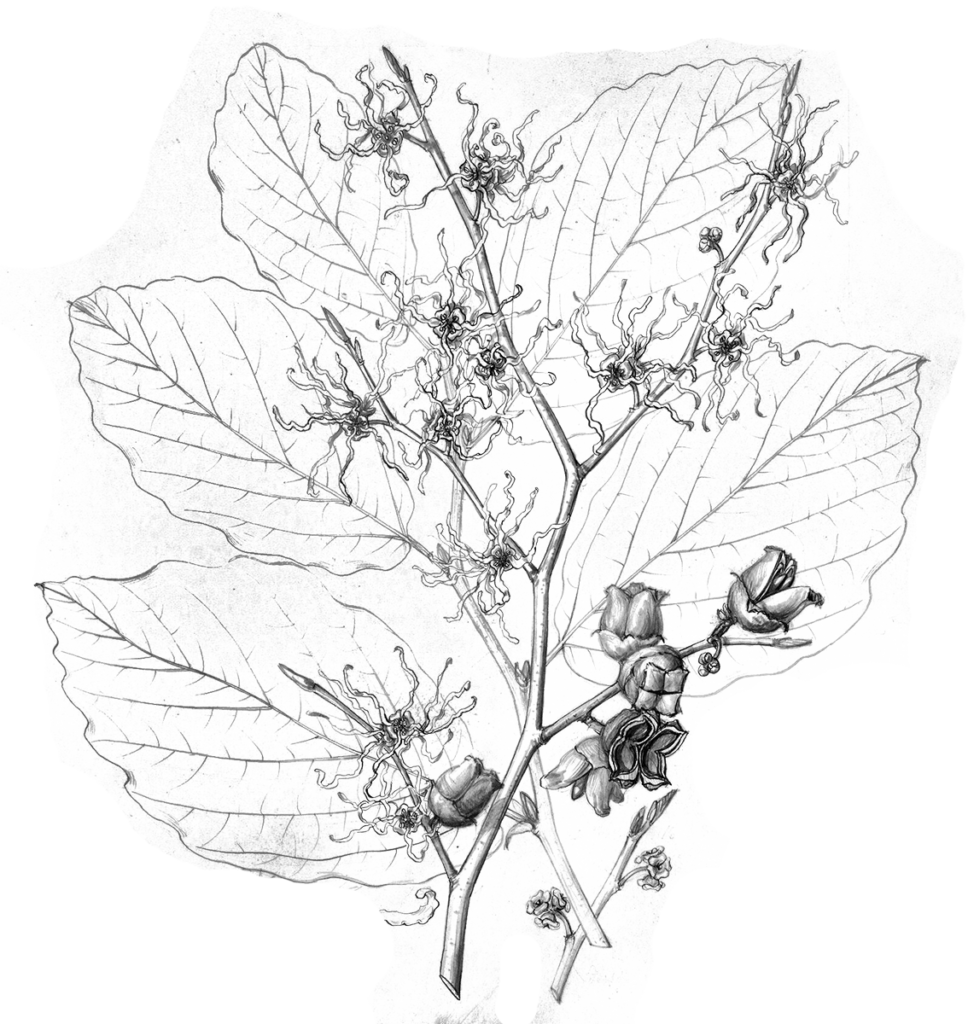
Persian Ironwood
This member of the witch-hazel family—over 100 years old and the tallest cultivated specimen in the world—will keep you under its spell the whole year round.