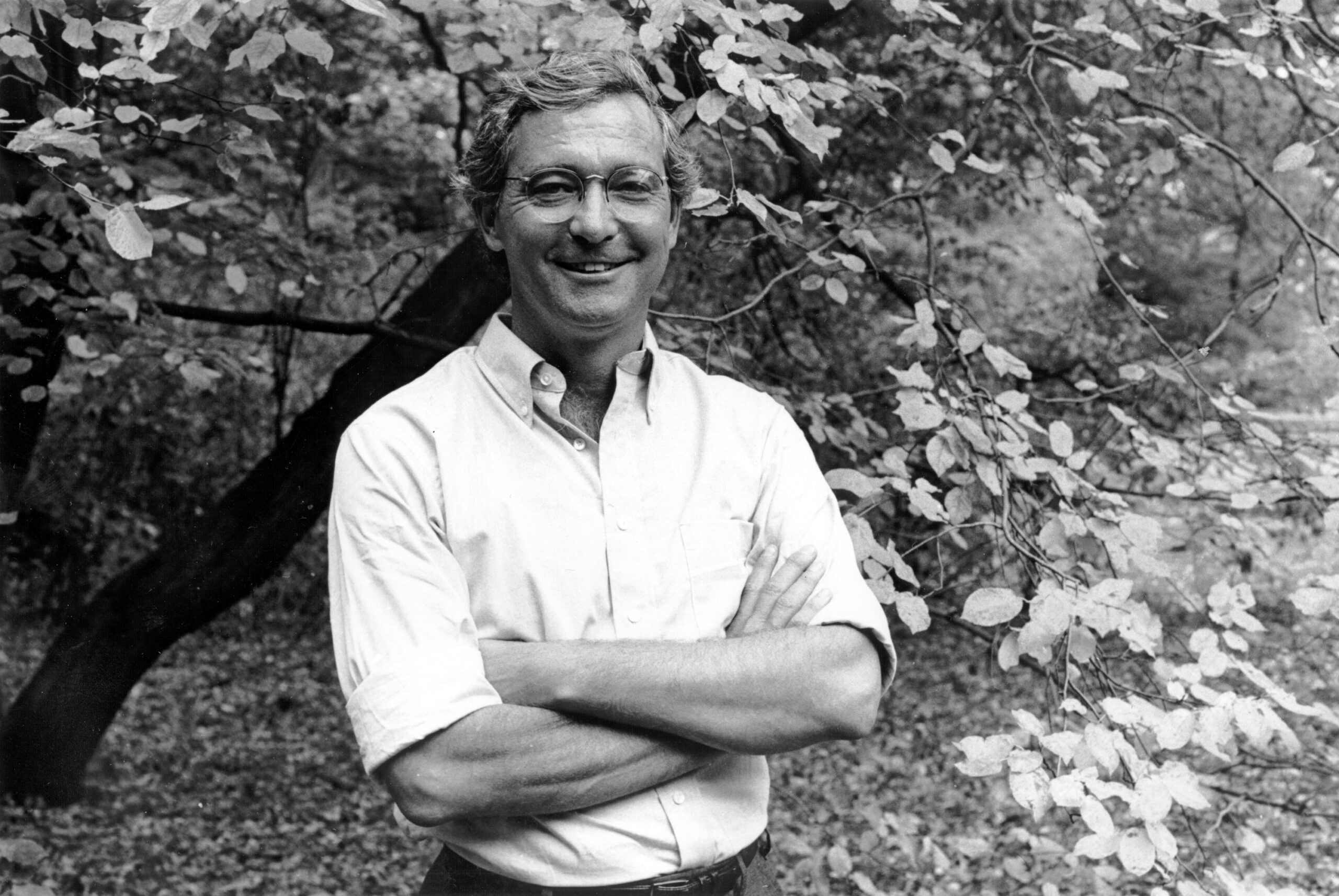
The Arnold Arboretum of Harvard University mourns the passing of Robert E. “Bob” Cook, the institution’s seventh director, whose visionary leadership, steady stewardship, and unwavering commitment to the Arboretum transformed the organization and positioned it to meet the challenges of the twenty-first century. Robert E. Cook served as director from 1989 to 2009, a remarkable twenty-one-year tenure marked by innovation, strategic growth, and institutional renewal.
A Harvard College graduate and recipient of a PhD from Yale University, Cook began his academic career as a plant ecologist and faculty researcher at Harvard. Later, he joined the National Science Foundation as a program director and led the botanic gardens and arboretum at Cornell University. He returned to Harvard in 1989 to guide the Arnold Arboretum through a period of significant opportunity and change, holding a dual appointment as Arnold Professor of Organismic and Evolutionary Biology as well as serving as director of the Harvard University Herbaria from 2005 to 2009. Following his 2009 retirement from Harvard, he maintained his connection to the Arboretum as a research associate.
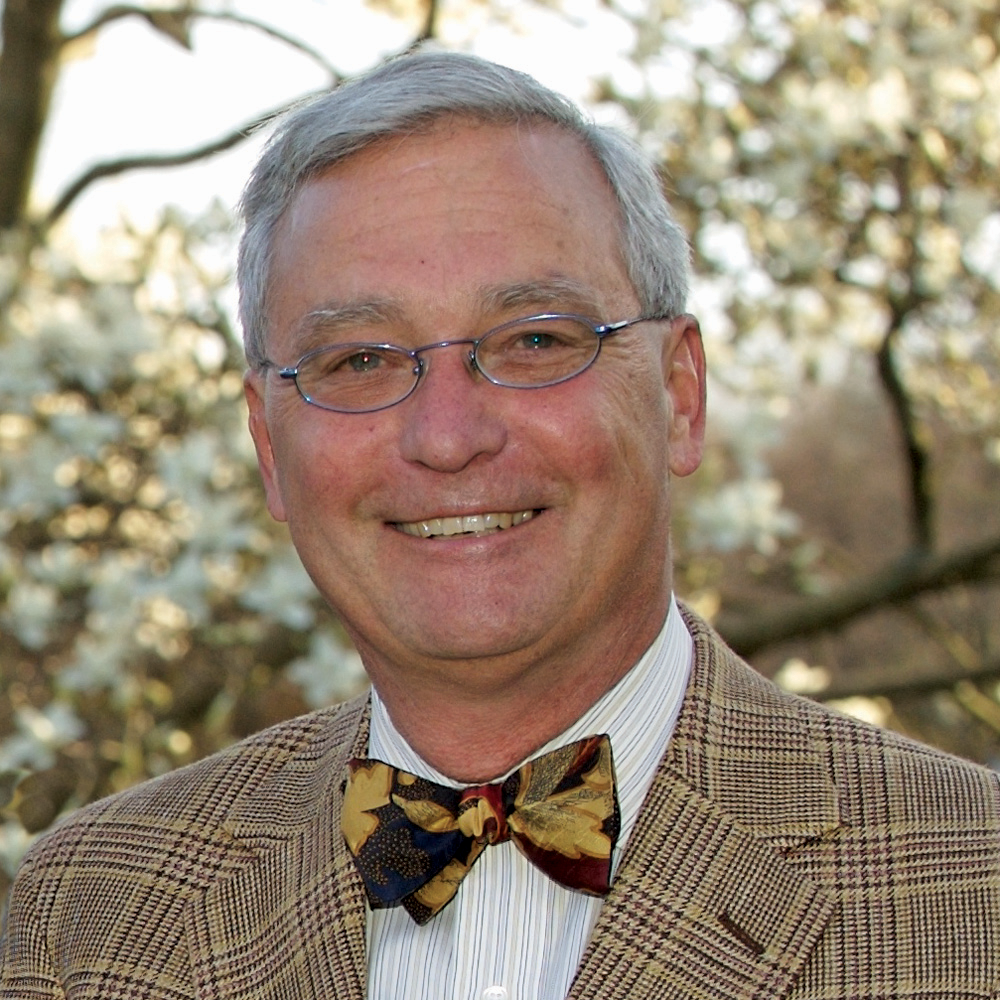
During his directorship, Cook strengthened the Arboretum’s financial foundation while expanding its public impact through educational programming and outreach. In the 1990s, he helped establish the Field Studies Experiences program, which has introduced generations of Boston Public Schools students to free, hands-on nature learning in the Arboretum landscape. In the early 2000s, he further broadened the Arboretum’s educational reach by fostering scholarship, professional development, and public dialogue on cultural landscapes and landscape design. Together, these efforts reflected his conviction that the Arboretum’s living collections should serve not only scientific discovery and horticultural excellence, but also public education and engagement.
Perhaps Cook’s most visionary and enduring accomplishment as director was the creation of the Arboretum’s research center at Weld Hill. For nearly half a century, much of the Arboretum’s scientific research had been carried out in laboratories in Cambridge, physically separated from the living collections that inspired and informed it. The Weld Hill facility reunited research, teaching, and collections stewardship on the Arboretum grounds, giving scientists unprecedented day-to-day access to one of the world’s premier collections of woody plants. Cook further strengthened the Arboretum’s role as a research center through major initiatives to digitize more than a century of plant records and institutional archives.
Throughout his tenure, Cook championed the renewal of the Arboretum’s physical and horticultural infrastructure. Under his leadership, the landmark Hunnewell Building and Visitor Center were thoughtfully renovated, creating more welcoming and accessible spaces that strengthened connections between visitors, scholars, and the Arboretum’s collections and programs. He also oversaw significant enhancements to the living collections and their stewardship, including the creation of the Leventritt Shrub and Vine Garden, a landmark project that broadened opportunities for horticultural research, display, and public appreciation of woody plants. Together, these investments reflected his conviction that the Arboretum’s buildings, landscapes, and plant collections should serve as enduring resources for scientific inquiry, education, and inspiration.
Those who worked with Cook remember not only his accomplishments but also his intellectual curiosity, thoughtful leadership, and deep affection for plants, landscapes, and the people who cared for them. He understood that the Arboretum’s greatest strength lay in the enduring relationship between scientific discovery, horticultural excellence, and public service. His legacy lives on in the institution’s renewed buildings, strengthened finances, expanded collections, world-class research facilities, and the countless students, scholars, staff, and visitors whose lives were enriched by his leadership.