
Birding at the Arboretum
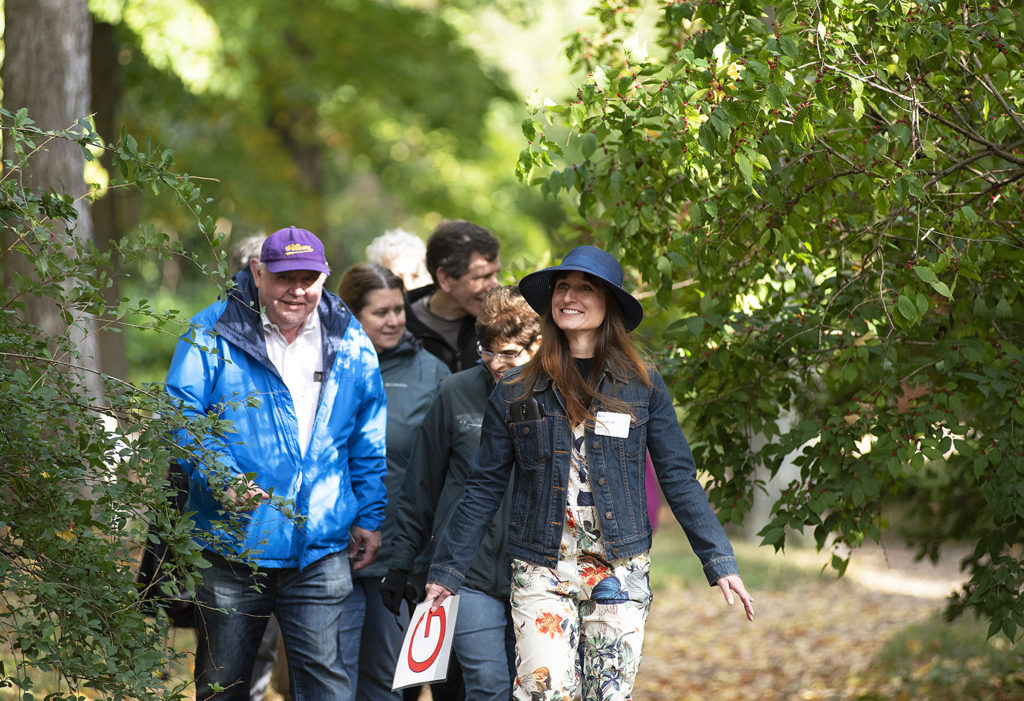
Embark on a birdwatching tour in the Arboretum’s landscape with docent and birder Donna Sullivan. This two-hour tour is suitable for adult beginners as well as more experienced birders. Bring binoculars if you have them!
Exhibits

Guided Tours
Plan Your Visit
Embark on a birdwatching tour in the Arboretum’s landscape with docent and birder Donna Sullivan. This two-hour tour is suitable for adult beginners as well as more experienced birders. Bring binoculars if you have them!

Join us at the Arboretum as we read and discover new things about the natural world. During this one-hour program for our youngest guests and their grownups, we will read a nature inspired story, do a craft, and go for a nature walk to continue exploring the theme.

As the sun sets, the bats come out! Join Arboretum Horticulturist Brendan Keegan and Matt Kamm, Associate Director of Field Conservation at Zoo New England, for a Bat Walk in the Conifer Collection, using specialized microphones to listen for and identify bat species in the landscape.

The stately beeches of the Arboretum used to tower over other trees–and some still do–but pests, diseases, and other pathogens have taken their toll in recent years. Join Arborist Delia Mahoney for a walk in the beech collection and learn about the challenges these trees have faced, what the Arboretum is doing in response, and what the collection looked like in years past.

Tai chi is a Chinese martial art known for its slow, intentional movements which act as a form of moving meditation for practitioners. Join International Tai Chi Gold Medalist and referee Hongsheng Jin for this one-hour tai chi class, appropriate for beginners and experienced students alike. The class will begin with breathwork and stretching, continue with a moving meditation and a walk practice, and conclude with a formal tai chi practice.

Take in the sights and sounds of the arboretum under the light of a full moon. Facilitator Bob Linscott will lead the group through mindfulness in nature practices and a meditative sound bath as we meander along the paved road to our final nighttime viewing location on top of Bussey Hill.

In this experimental photography workshop led by local artist and scientist Jess Holz, participants create ‘paintings’ using microscopic plankton collected from the Arboretum’s ponds. Participants use a microscope in combination with software which creates video akin to timelapse photography- acting at the decisive moment, participants snap photos of the trails created by these microscopic creatures. Participants will learn basic identification of microscopic pond life while getting a fascinating glimpse into their dynamic behavior, such as the helical paths of flagellates and the water currents generated by rotifers as they feed.

Join Linda Wells, “The Wellness Warrior,” for a monthly yoga series in the rose garden throughout the summer. This is an inclusive, adaptable practice outdoors for everyone regardless of age, size, shape, and abilities.

Join docent Lisa Gaquin for a brisk early morning walk along the inside perimeter of the Arboretum. This walk will be fast-paced, energetic, and will involve walking over hills and rough terrain. Note that this is not a traditional tour: you may hear some information about individual trees and history, but the main goal is to get outside and get some exercise! Bring good walking shoes, water, and walking poles if desired.

Can native caterpillars help control our non-native, invasive plants? That’s what researcher Michael LaScaleia is trying to figure out through his research at the Arboretum. Join us for a Research Spotlight program to learn about Michael’s research and search for some of these caterpillars in the landscape. This walk will include some boggy areas, so waterproof shoes are recommended!

Cosmologies are ways of understanding the nature of the universe, of experiencing the world in all its variations including the visible and the invisible. Over millennia trees have served as the mythological archetype of the world’s axis (axis mundi), the pole through the earth’s center which connects the worlds above and below. Within a cosmic-magical model of the world (imago mundi), trees also evolved in various cultures to possess innate spiritual powers or as conduits for communication with the holy or sacred.
During this tour we will discuss angiosperms, the largest and most diverse group in the plant kingdom. All flowering trees are angiosperms, but not all angiosperms reproduce in the same way, so you may not see blooms and flowers but plenty of leaves. Docent Katrina Scott will lead this interactive tour with stops for moments to reflect on specific trees and the stories associated with them. Were they revered or feared? A home for deities or tricksters?
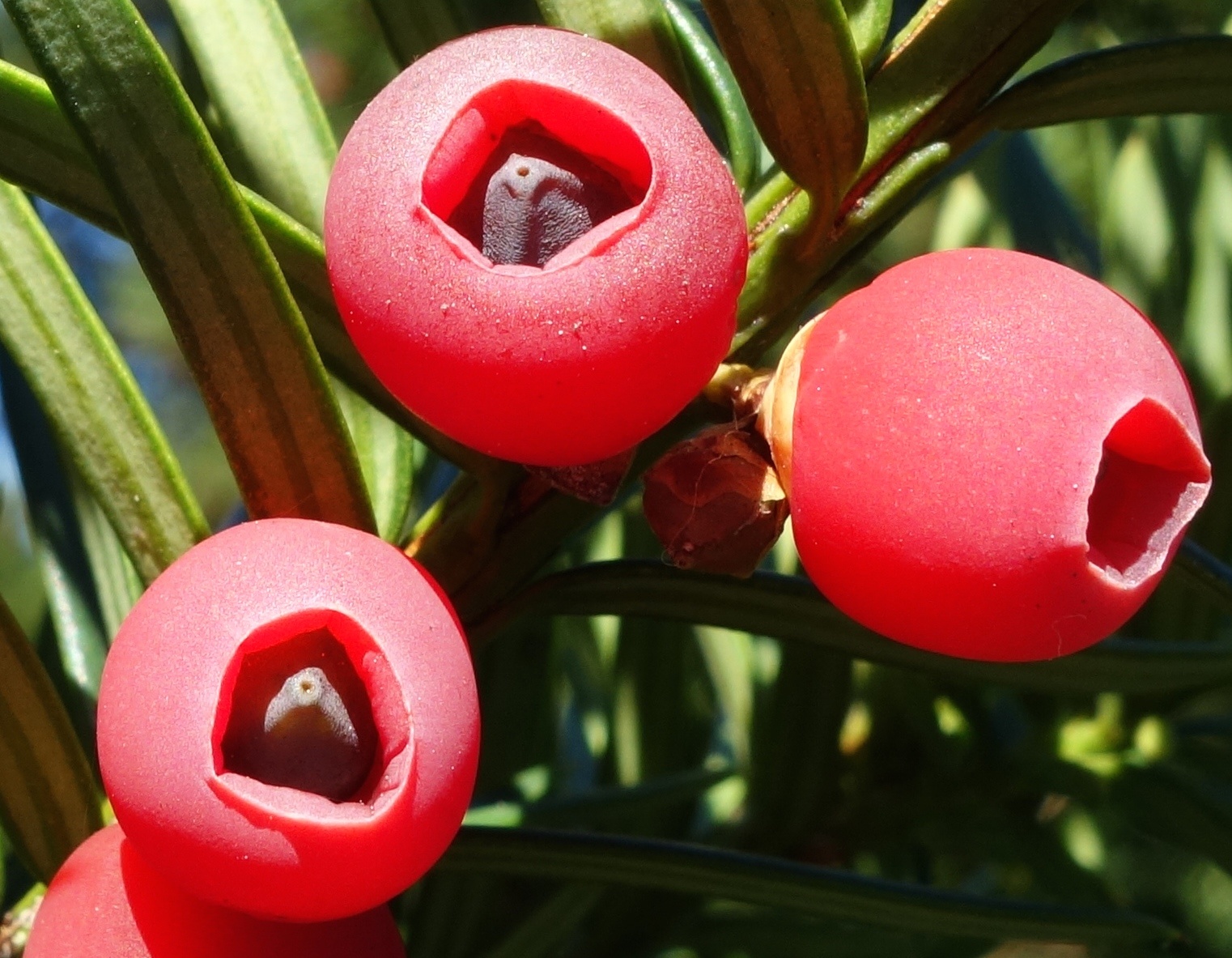
Hidden among the beautiful flowers and innocent-looking shrubs of the Arboretum are some of the world’s most sinister poisons. White snakeroot, yew and even the beloved rhododendron are all filled to the brim with toxins that have both enticed and tormented people for generations. Join Manager of Adult Programming and Events Sarah Nechamen for a walk to learn about these poisonous plants, the chemicals they contain, and the strange histories they carry with them.

Many of the plants grown at the Arboretum have been used as natural dyes for centuries: goldenrod for yellow, stinging nettle for green, madder or bloodroot for pink. Join fiber artist Maggie Ruth Haaland for a workshop to learn about and practice some of these natural dyeing methods. After a short introduction, the class will embark on a walk to see and learn about the plants and the dyes they create; then participants will return to the Hunnewell Lecture Hall to try their own hands at dyeing, using dye baths prepared by the instructor. Participants do not need to bring their own fabric or other materials, and will go home with dyed fabric of their own. Participants may also get a chance to try their hand at eco-printing.
Join us at the Arboretum as we read and discover new things about the natural world. During this one-hour program for our youngest guests and their grownups, we will read a nature inspired story, do a craft, and go for a nature walk to continue exploring the theme.
As the sun sets, the bats come out! Join Arboretum Horticulturist Brendan Keegan and Matt Kamm, Associate Director of Field Conservation at Zoo New England, for a Bat Walk in the Conifer Collection, using specialized microphones to listen for and identify bat species in the landscape.

Join us for an interactive look at all the tiny critters that crawl, fly, or slither through the Arboretum landscape. We will have sweep nets and bug boxes to catch bugs in Kent Field, digital microscopes to get a closer look, some fun bug crafts, and an entomologist to help us identify everything we find. This is an all-ages, interactive program: come prepared to move around and get up close with some bugs and insects!

In 2016, the Donald Pfister lab at Harvard University discovered a new species of mycorrhizal truffle at the Arboretum, related to the famed culinary truffle but genetically distinct. Nine years later the lab is still making new discoveries in the field of mycorrhizae: the fungi that form symbiotic associations with plant roots and provide the plants with extra water and nutrients from the soil in exchange for a steady supply of sugars.
Join Professor Don Pfister for a research spotlight on mycorrhizae and the Arboretum truffle, and learn about the biology of mycorrizae, how the Arboretum truffle and other mycorrhizae disperse their spores, and how to go about finding mycorrhizae in the landscape. The group will also take some soil cores and look for evidence of mycorrhizae in the soil. Maybe we’ll find a truffle!
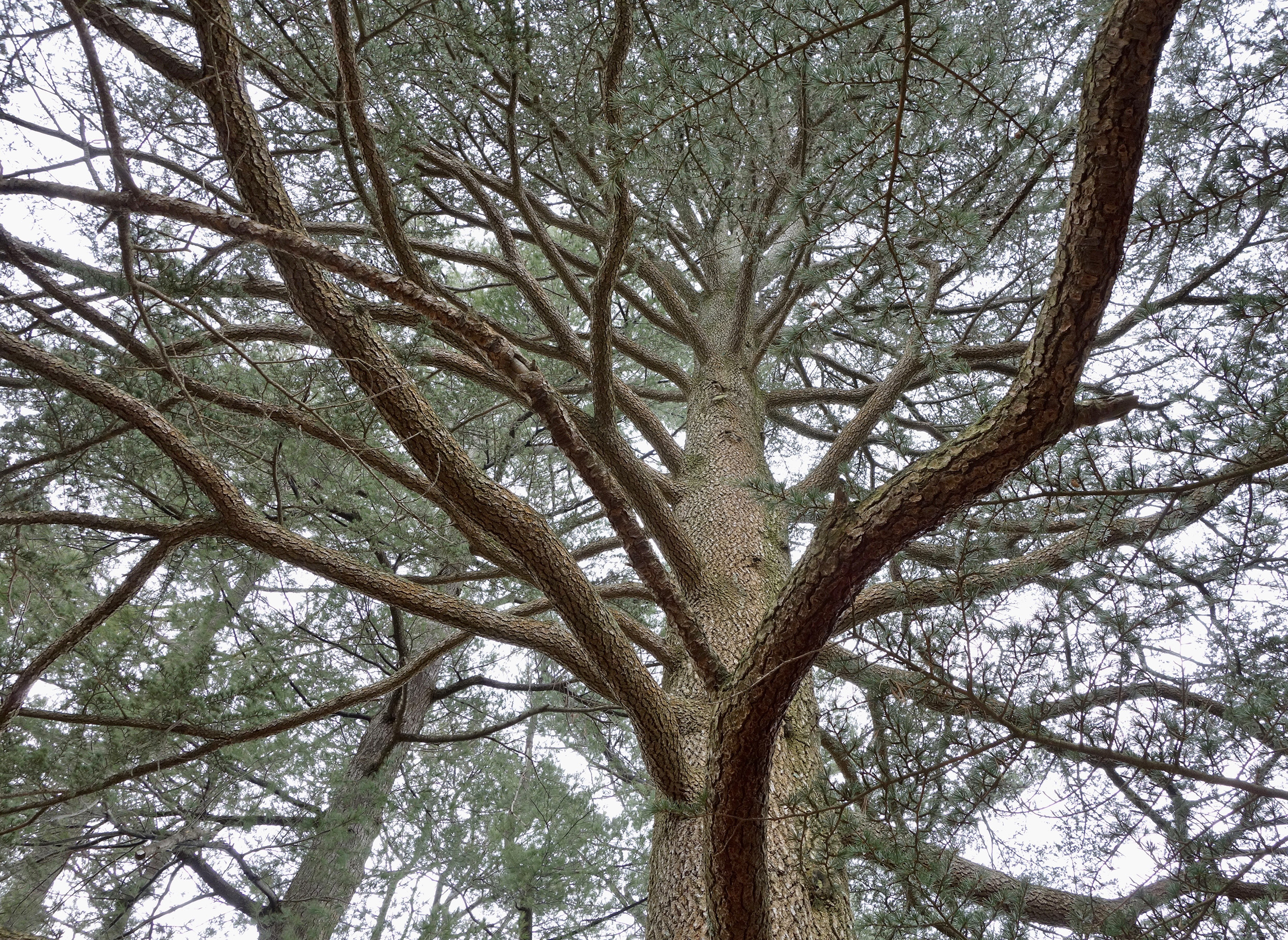
Join docent Paul Eldrenkamp for a visit to five groups of trees that each played a particularly significant role in shaping five very different civilizations: Eastern White Pine, Cedar of Lebanon, Western Red Cedar, Oaks, and the five sacred trees of the Kiso Forest in Japan. Accessibility: This walk will include paved roads and woodchip […]
Join Linda Wells, “The Wellness Warrior,” for a monthly yoga series in the rose garden throughout the summer. This is an inclusive, adaptable practice outdoors for everyone regardless of age, size, shape, and abilities.
Join docent Lisa Gaquin for a brisk early morning walk along the inside perimeter of the Arboretum. This walk will be fast-paced, energetic, and will involve walking over hills and rough terrain. Note that this is not a traditional tour: you may hear some information about individual trees and history, but the main goal is to get outside and get some exercise! Bring good walking shoes, water, and walking poles if desired.

As a lead-up to our Haunted Botany performance piece about the colonial histories of Eastern White Pine, join Materials Science Professor Lorna Gibson for a Tree Mob on tree species that were used to build colonial ships. From dense oak hulls designed to withstand cannonballs, to tall, straight masts made out of towering pine trees, each tree species was selected for its own unique strengths– both in the forest and at sea.

The Explorers Garden rests in a microclimate just below the summit of Bussey Hill. This nearly five-acre site provides ideal growing conditions for many species that have been challenging to grow in less protected areas of the Arboretum. As such, it has proven to be a perfect testing ground for plants collected in the expeditions of E. H. Wilson in the early 1900s to the NACPEC (North America-China Plant Exploration Consortium) expeditions of our own time. Join docent Marie Herbert for a guided tour to learn more about some of the plants showcased in this special collection and to hear stories of the plant exploration expeditions that brought them to the Arboretum.
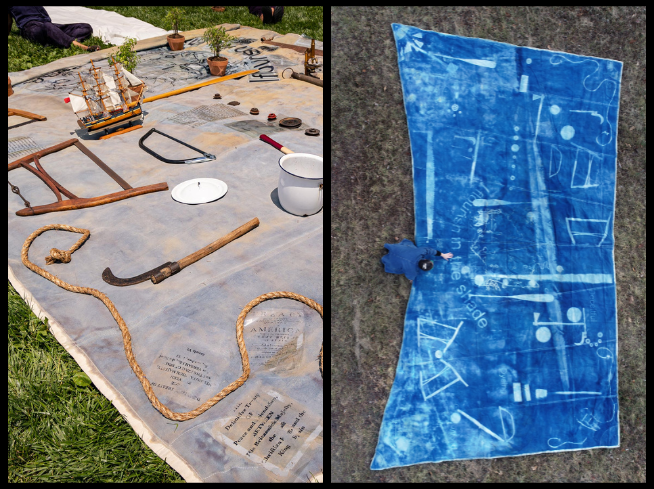
The towering Eastern White Pine once dominated New England forests and served as an important symbol for Indigenous peoples, but the British Royal Navy’s thirst for tall, straight, trees to use as ship masts eventually led to the destruction of the vast majority of old growth pines in Massachusetts. Join Gwyneth Shanks and AB Brown for a performance piece highlighting Pinus strobus’s dramatic colonial history in which American settlers fought back against King George’s large-scale destruction of their forests, leading to direct resistance, riots, and eventually to the Boston Tea Party itself.

Embark on a birdwatching tour in the Arboretum’s landscape with docent and birder Donna Sullivan. This two-hour tour is suitable for adult beginners as well as more experienced birders. Bring binoculars if you have them!

Take in the sights and sounds of the arboretum under the light of a full moon. Facilitator Bob Linscott will lead the group through mindfulness in nature practices and a meditative sound bath as we meander along the paved road to our final nighttime viewing location on top of Bussey Hill.

The Caterpillar Lab returns to the Arboretum for a full weekend packed with caterpillar displays, free-exploration programming, digital microscopes, and experienced educators on hand to give you insights into these amazing animals.
The Caterpillar Lab returns to the Arboretum for a full weekend packed with caterpillar displays, free-exploration programming, digital microscopes, and experienced educators on hand to give you insights into these amazing animals.
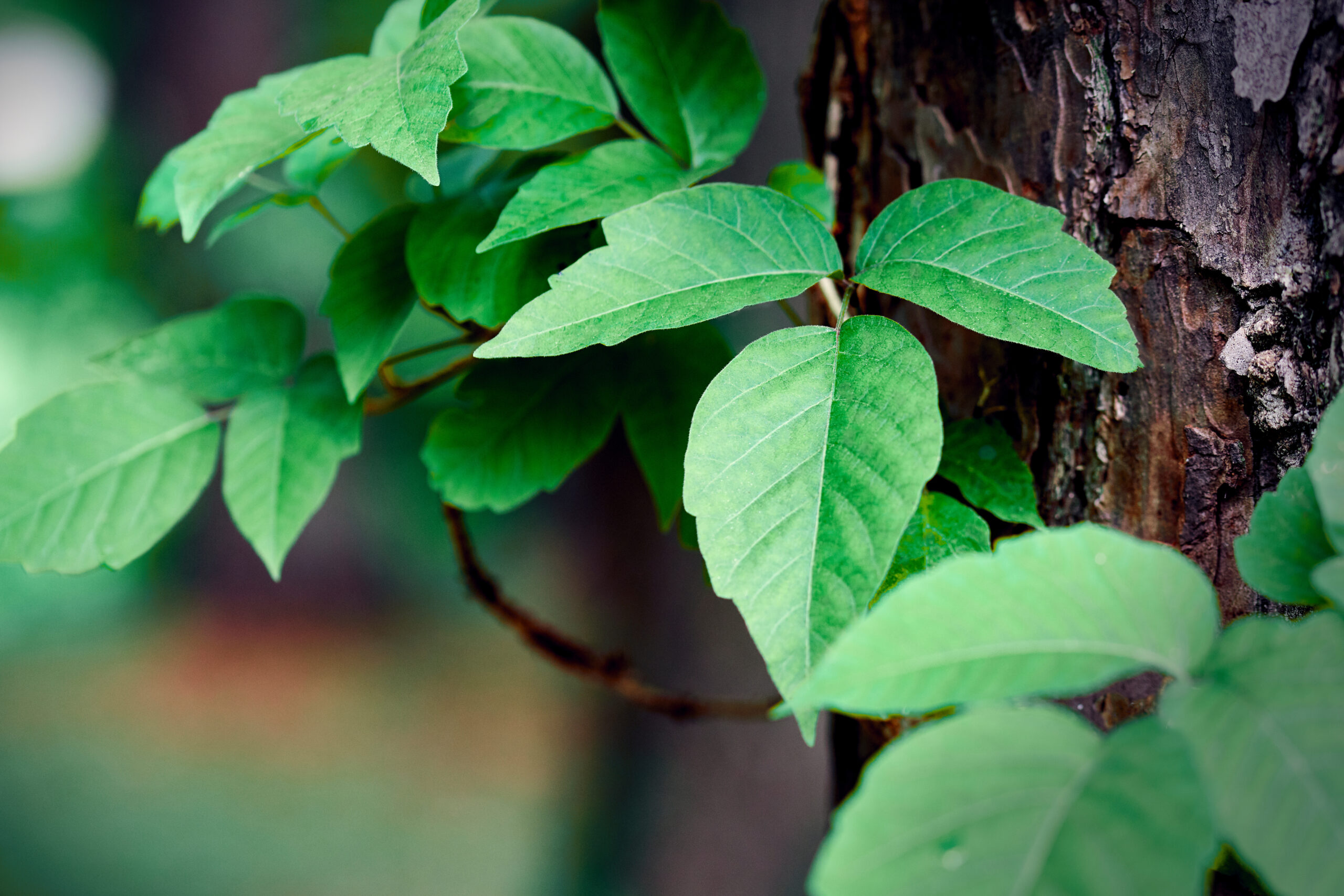
As we ramp up for the spooky season of Halloween, join the Manager of Adult Programming and Events for a walk focused on the most sinister plants in the Arboretum’s collections. Armed with spiky thorns, sticky latex, and chemical warfare, these sinister species defend themselves from hungry herbivores—and sometimes from humans who wander too close.

The Arboretum becomes a riot of color in the fall with leaves turning deep red, fiery orange, and bright yellow. Have you ever wondered why this happens every autumn? Outdoor Educator Ana Maria Caballero will take us through the science of fall leaf color, including an exploration of pigments and abscission, a hands-on experiment to reveal the array of pigments present in every leaf, and a walk in the landscape to take a closer look at leaves in all phases of color change.

Slow down and awaken your senses on a guided sensory experience in the Arnold Arboretum. Forest Bathing, inspired by the Japanese practice of Shinrin-yoku, is a restorative sensory exploration that supports health and healing for all beings. From increased cerebral blood flow to stronger immune defenses, come discover for yourself what happens when we unplug, slow down and open our senses to notice more of our natural surroundings. All the prompts, invitations, sharing and ways of participating are optional and open to interpretation.
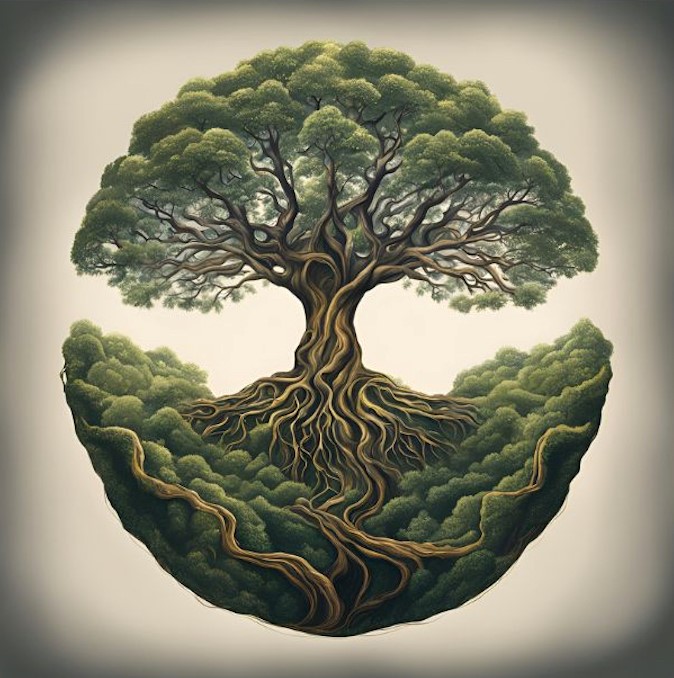
Docent Katrina Scott will lead this interactive tour with stops for moments to reflect on specific trees and the stories associated with them. Were they revered or feared? A home for deities or tricksters? We will begin at the Walter Street Gate to visit the oldest ginkgoes at the Arboretum, then head up the Conifer Path and diverge to walk, rest, and reflect among various conifers, eventually ending by the yews near Bussey Brook and Hemlock Hill Road.
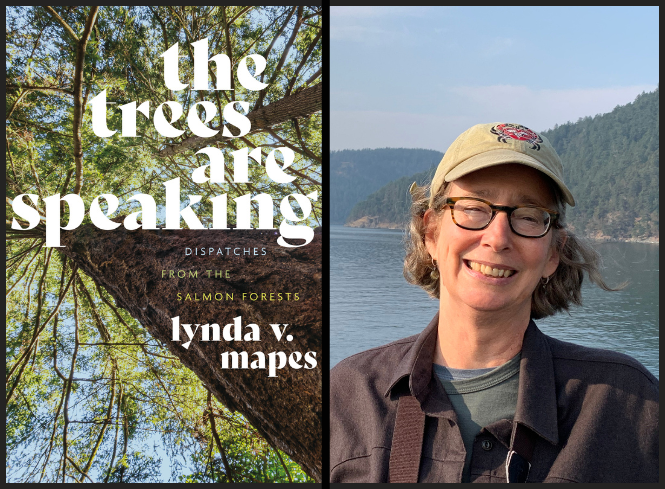
The old-growth forests of Oregon and Washington play a vital role in the ecosystems there, supporting a wide diversity of life and sequestering carbon in enormous, long-living trees. The east coast, by contrast, has been logged and clear cut for generations and has precious little old-growth forest left. Join environmental journalist and Bullard Fellow at Harvard Forest, Lynda Mapes, for a talk about her book “The Trees are Speaking: Dispatches from the Salmon Forests.” In this thought-provoking new book, Mapes interviews scientists, loggers, and Indigenous activists to answer deep questions about the importance of old-growth forests, the conflicting desires around how to manage them, and how we can protect these forests into the future.
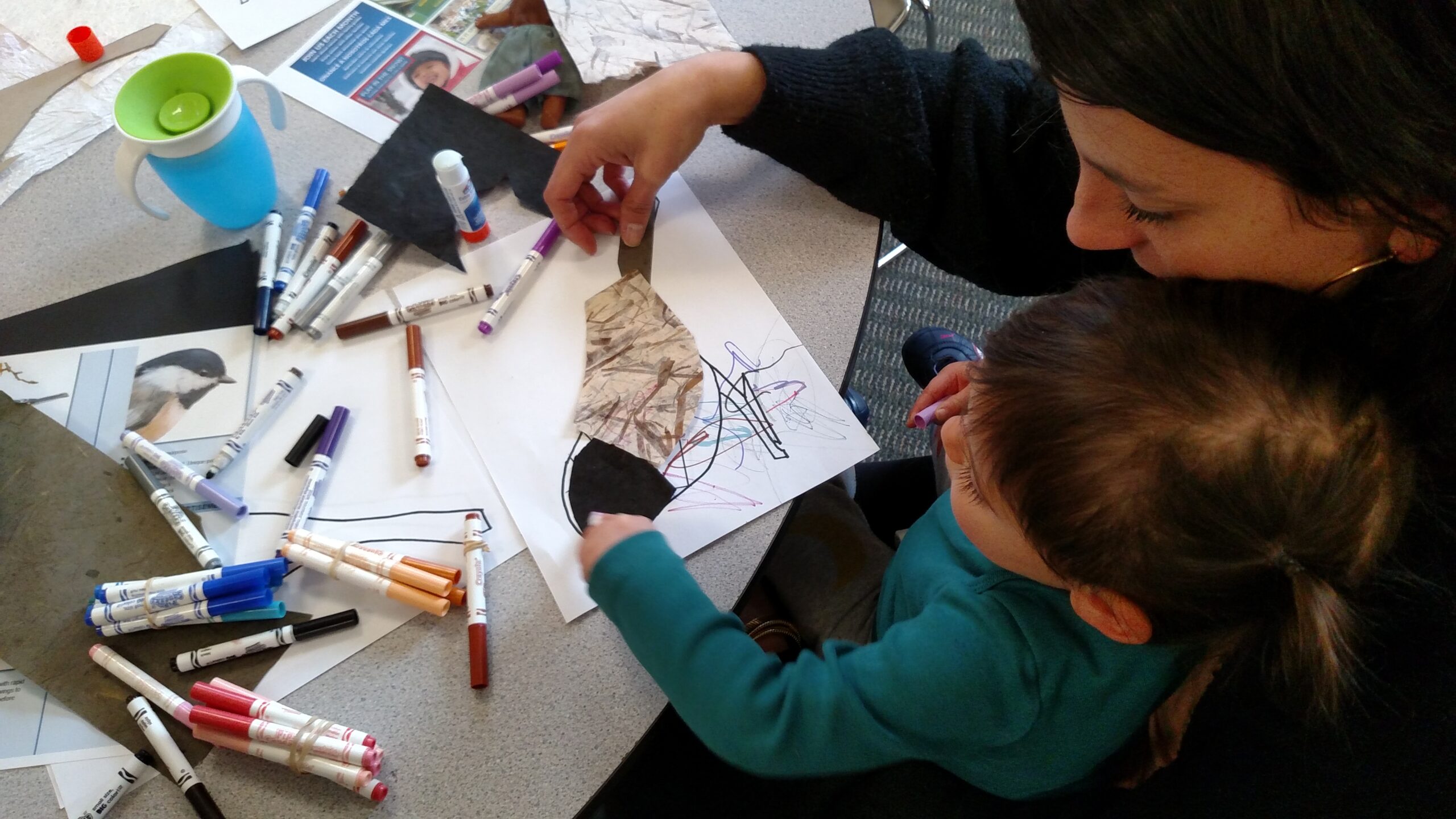
Join us at the Arboretum as we read and discover new things about the natural world. During this one-hour program for our youngest guests and their grownups, we will read a nature inspired story, do a craft, and go for a nature walk to continue exploring the theme. The weekly themes are inspired by what is happening seasonally at the Arboretum.
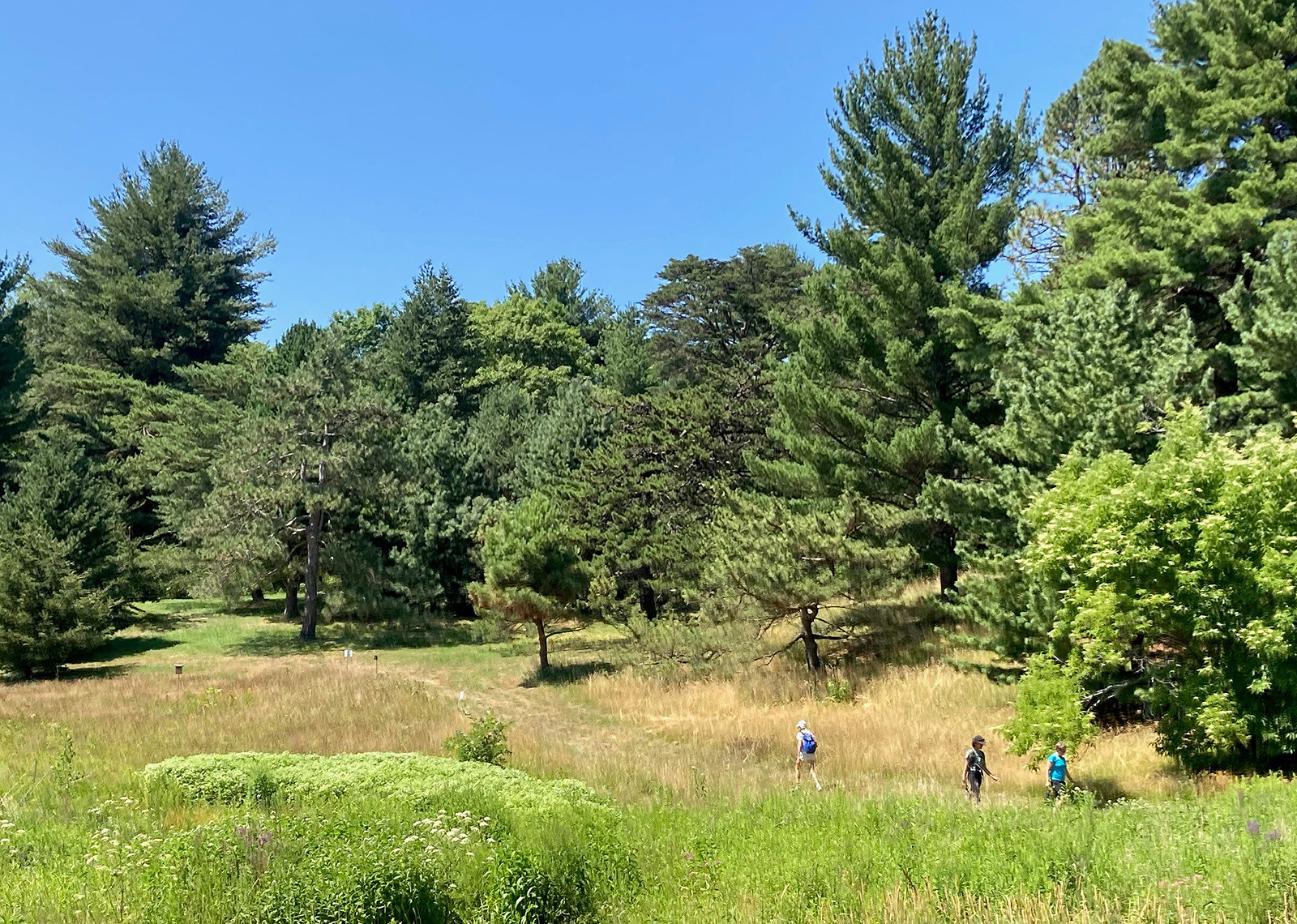
The conifer collection at the Arnold Arboretum is a magical place to visit at any time of the year, as it is especially rich in history and diversity. Docent Cristina Squeff will lead participants through this collection explaining key identification features and sharing relevant stories about individual trees.

Embark on a birdwatching walk in the Arboretum’s landscape with birder and wildlife photographer Michael Bryant, AKA Nature Man Mike. This two-hour walk is suitable for beginners as well as more experienced birders. Binoculars will be available to borrow on a first-come-first-serve basis, but you are encouraged to bring your own!
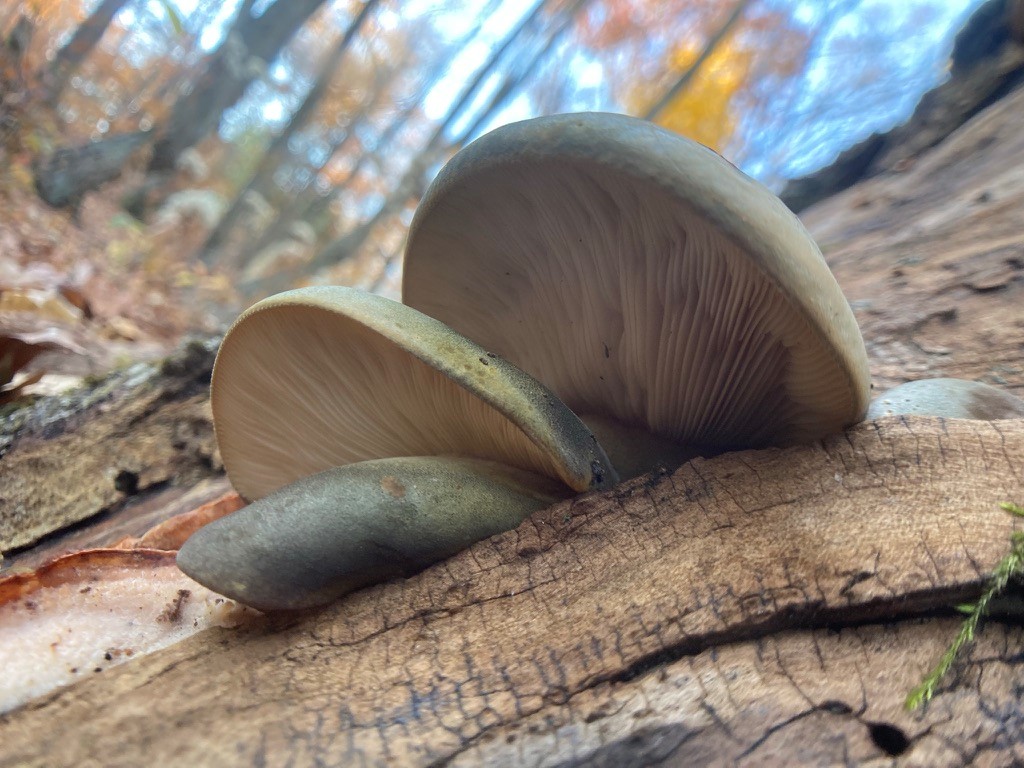
Hundreds of mushrooms hide beneath the Arboretum’s canopies, silently blossoming into unique forms then withering away again just as quickly. Join local mushroom enthusiast Maria Pinto to search for these fascinating organisms on the Arboretum grounds, both edible and poisonous alike. Along the way you will learn what mushrooms to look for in different habitats and seasons, how they move through ecosystems, and what the Arboretum’s unique collections affect what mushrooms you might find here.
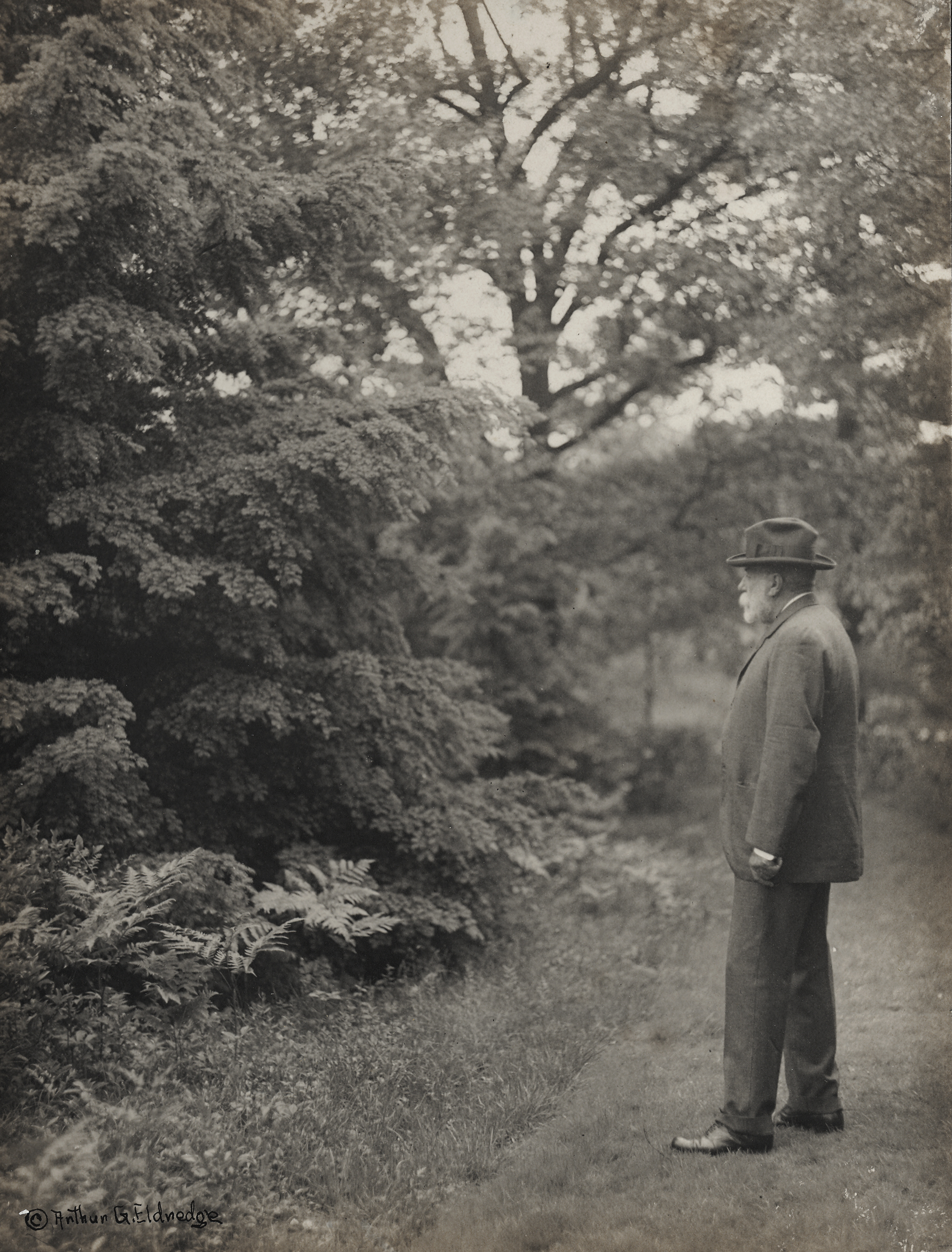
Many are aware of Charles Sprague Sargent’s role as first director of the Arnold Arboretum, establishing it as the world-renowned institution it is today. Far fewer are familiar with the deep influence he had over how Americans have come to think about forests, forestry, and wilderness. Docent Paul Eldrenkamp will lead a tour that explores the history of the idea of the forest in America- and how Sargent helped shape that idea.

Explore the amazing variety and beauty of trees at the Arnold Arboretum with pencil and paper. Taught by artist and educator Erica Beade, this walking program will focus on capturing the shapes and volume of trunks and branches as well as techniques for drawing foliage. All skill levels are welcome.

With a park as large as the Arboretum, a bike ride is one of the best ways to see the entire landscape in one trip. Join Director of Horticulture and Landscape (and personal bike enthusiast) Rodney Eason for a bike tour of the Arboretum: we will begin in front of the Hunnewell Building and ride all the way to Peters Hill, stopping to learn about various collections along the way. Rodney will share his expertise on the maples, hickories, mountain laurels, ginkgoes, paw paws, and more, before getting back on our bikes and pedaling to the next stop!

MassQ Ball 2025: Color is an intergenerational, cross-cultural celebration of the arts and culture of Boston’s many communities of color. A co-production between multidisciplinary artist Daniel Callahan and Black arts organization Castle of our Skins, The MassQ Ball will feature a star-studded lineup of artists, performers, activists and culture bearers from a wide range of artistic traditions and backgrounds. Through sound, sculpture, movement and spoken word, MassQ Ball 2025: Color will showcase the beauty, diversity, and color of our commonwealth and wider world amidst the breath-taking backdrop of the Arboretum’s conifers.

*Rescheduled from August 31* Learn how to make stunning flower arrangements with Arboretum summer blooms. In this interactive workshop, you will learn best practices in plant arrangement and try your hand at creating your own, helped along by Arboretum staff and flower arrangement extraordinaires Scott Phillips and Regina Mission. Please bring a 2-quart mason jar or similarly sized wide-mouth vase: smaller vases run the risk of tipping under the weight of the flowers!
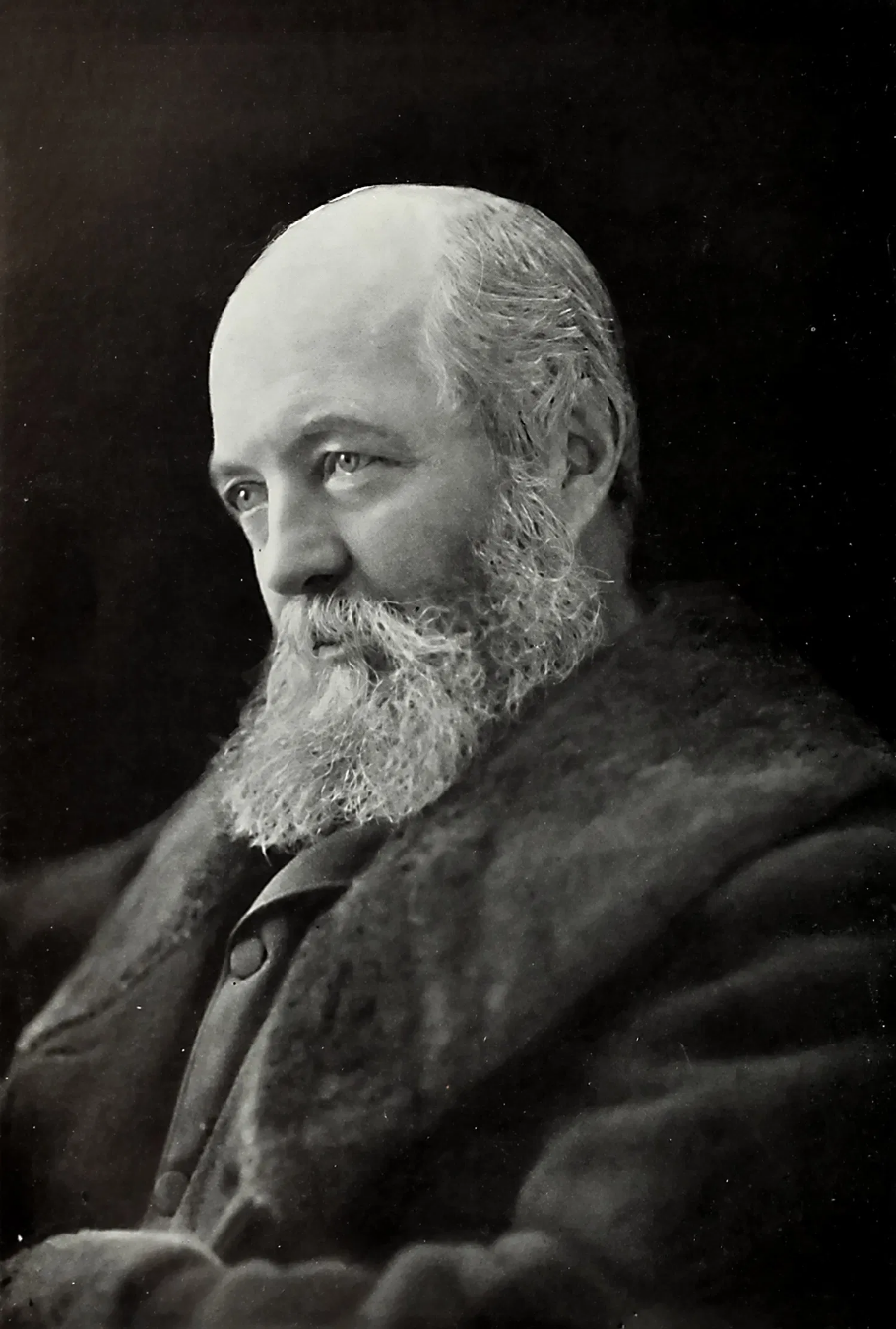
Frederick Law Olmsted, considered the father of landscape architecture, designed some 500 public spaces in North America. The Arnold Arboretum is the only arboretum he designed, a National Historic Landmark, and a model for others around the world. Docent Bill Beizer, will identify the elements of the Arboretum that best reflect Olmsted’s philosophy and approach to landscape design.
Join us at the Arboretum as we read and discover new things about the natural world. During this one-hour program for our youngest guests and their grownups, we will read a nature inspired story, do a craft, and go for a nature walk to continue exploring the theme. The weekly themes are inspired by what is happening seasonally at the Arboretum.

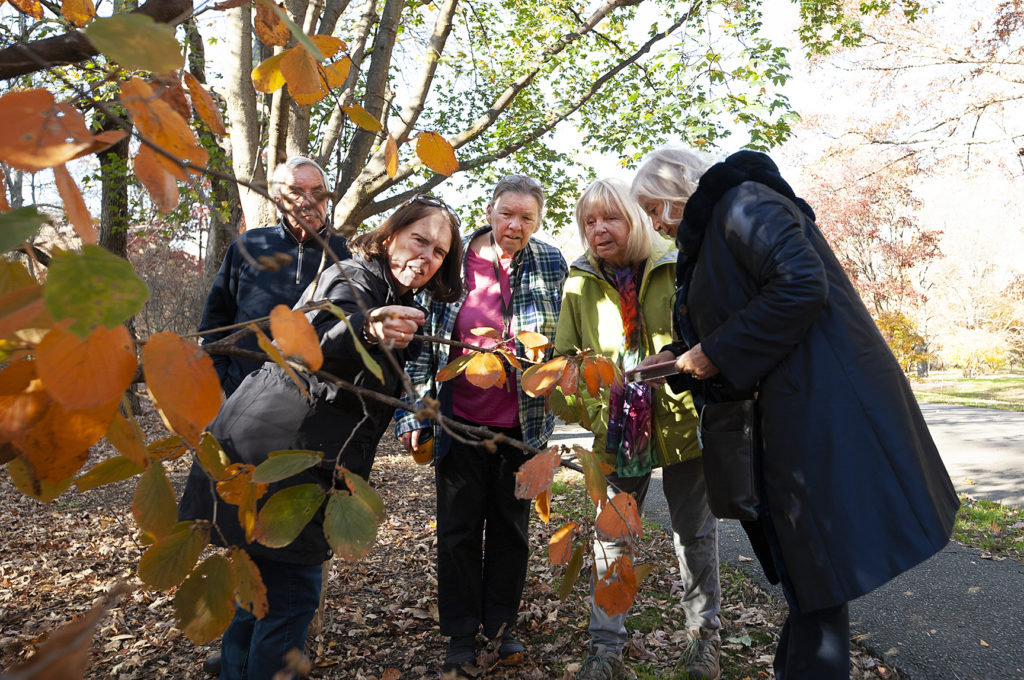
Autumn is one of the most beautiful times of year at the Arboretum, with leaves changing color and all sorts of unique seeds and fruits appearing on the branches. Join docent Vicki Amalfitano for a tour to learn about all the changes that happen in the Arboretum’s collections in the fall.

Embark on a birdwatching tour in the Arboretum’s landscape with docent and birder Donna Sullivan. This two-hour tour is suitable for adult beginners as well as more experienced birders.
Docent Katrina Scott will lead this interactive tour with stops for moments to reflect on specific trees and the stories associated with them. Were they revered or feared? A home for deities or tricksters? We will begin at the Walter Street Gate to visit the oldest ginkgoes at the Arboretum, then head up the Conifer Path and diverge to walk, rest, and reflect among various conifers, eventually ending by the yews near Bussey Brook and Hemlock Hill Road.
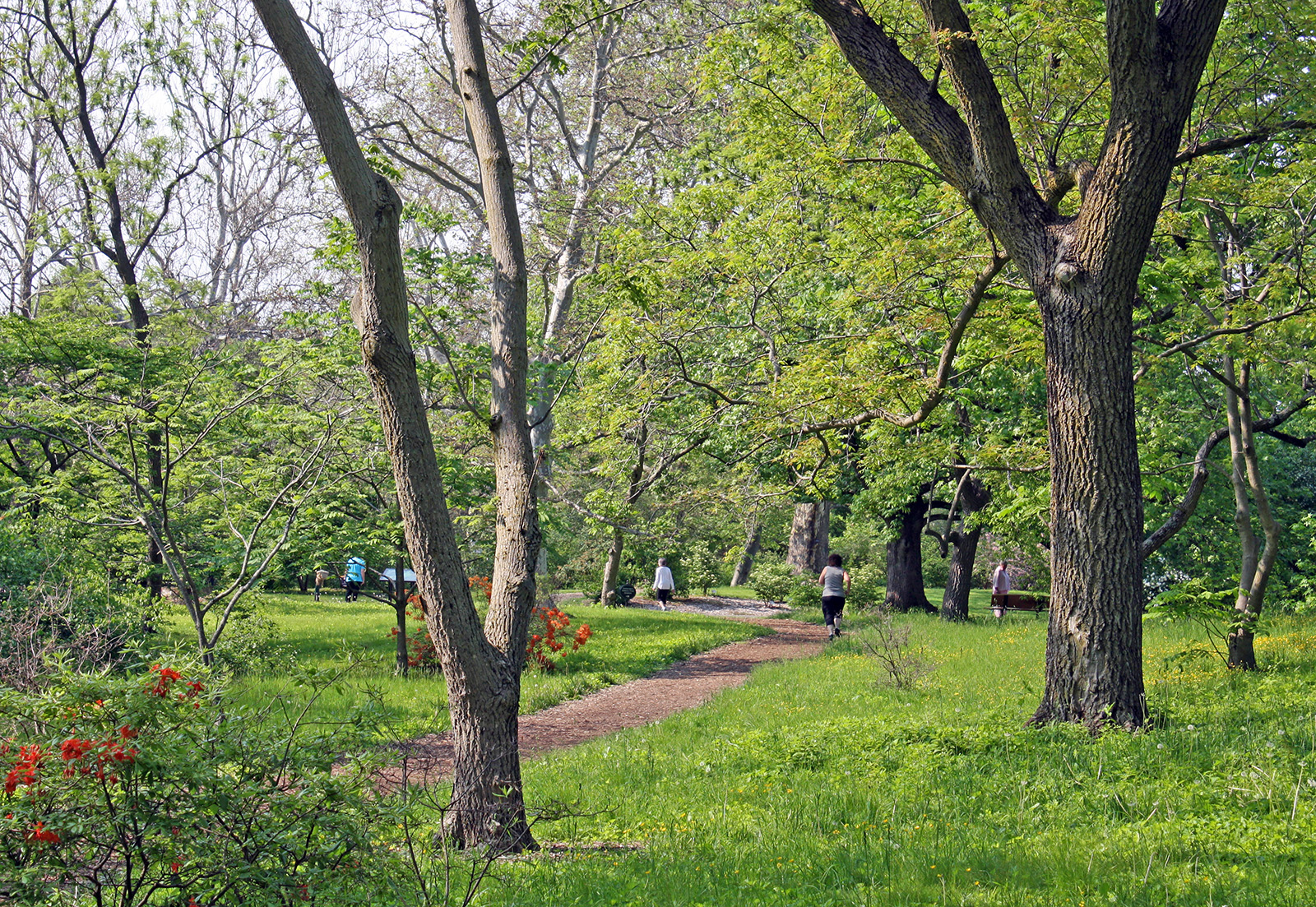
Oaks have been more closely associated with the development of human civilizations across the northern hemisphere than any other genus of tree. From the Royal Oak to the Charter Oak to the Emancipation Oak, from wine and whisky barrels to tall ships to the roof of Notre Dame, from King John to Shakespeare to Leonardo da Vinci, oaks have been inextricably entwined with the human experience. Join docent Paul Eldrenkamp as we learn more about the cultural history of oaks and explore what it is that makes them so useful, so distinct — and so essential.
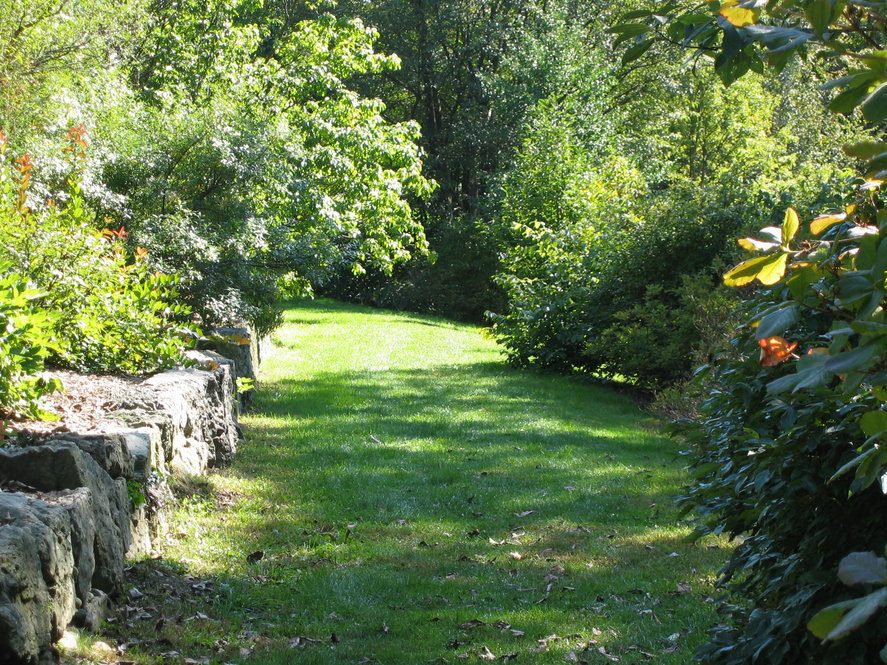
The Explorers Garden rests in a microclimate just below the summit of Bussey Hill. This nearly five-acre site provides ideal growing conditions for many species that have been challenging to grow in less protected areas of the Arboretum. As such, it has proven to be a perfect testing ground for plants collected in the expeditions of E. H. Wilson in the early 1900s to the NACPEC (North America-China Plant Exploration Consortium) expeditions of our own time. Join docent Marie Herbert for a guided tour to learn more about some of the plants showcased in this special collection and to hear stories of the plant exploration expeditions that brought them to the Arboretum.
Autumn is one of the most beautiful times of year at the Arboretum, with leaves changing color and all sorts of unique seeds and fruits appearing on the branches. Join docent Vicki Amalfitano for a tour to learn about all the changes that happen in the Arboretum’s collections in the fall.
The conifer collection at the Arnold Arboretum is a magical place to visit at any time of the year, as it is especially rich in history and diversity. Docent Cristina Squeff will lead participants through this collection explaining key identification features and sharing relevant stories about individual trees.