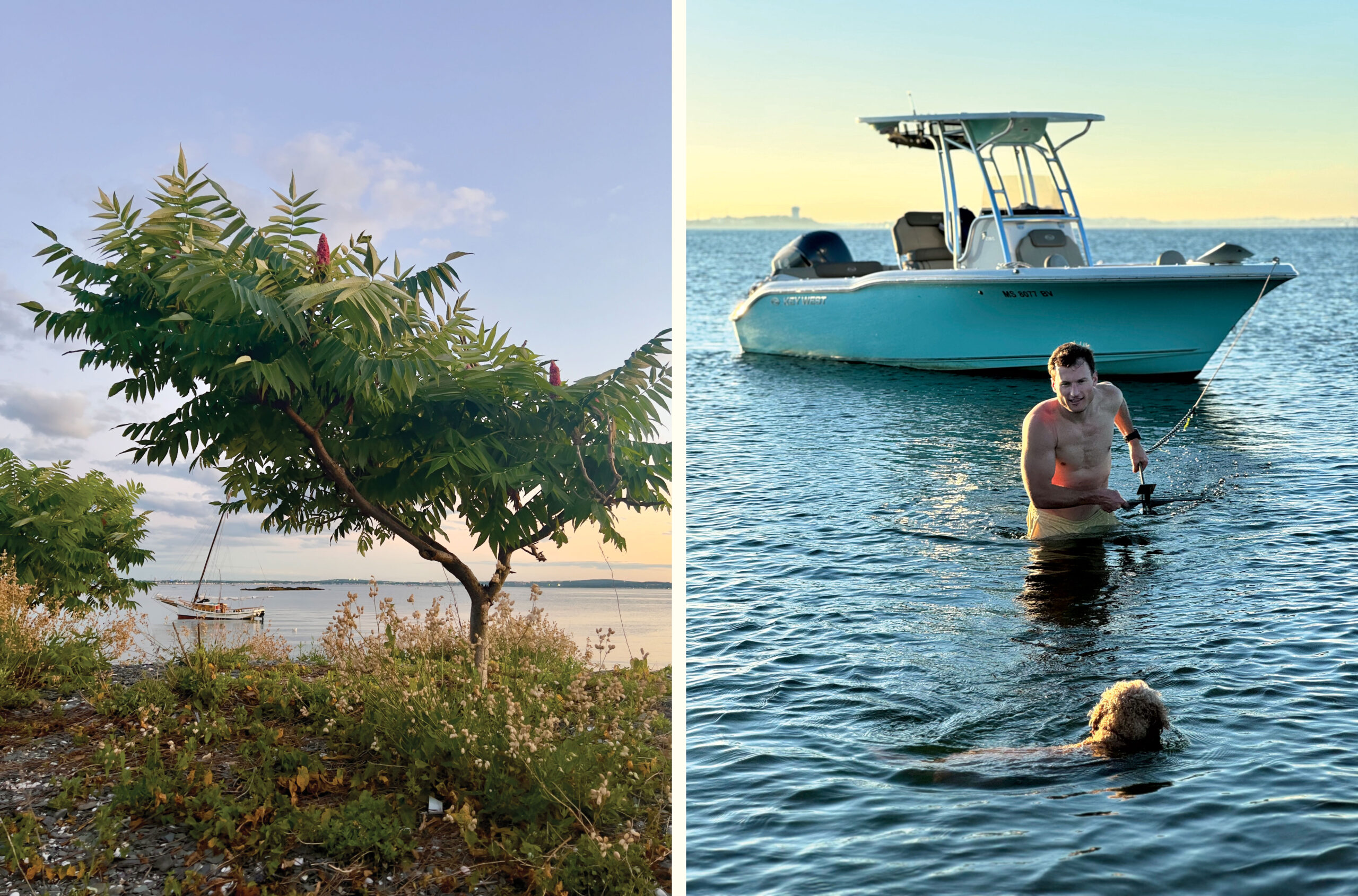
Charlie Nutting moved from Ohio to Boston a decade ago and on his first night in the city, in an empty apartment in the Fort Point neighborhood overlooking the harbor, he looked out his window and saw seagulls. An everyday avian event, as regular as robins, as pigeons, as the Canadian geese along the Charles, but for Nutting, it was revelatory. The Midwesterner knew then he was on the ocean.
That view, of the gulls in flight, and of the Boston Harbor Islands rising out of the sea like a pod of various sized breaching whales, changed the trajectory of Nutting’s life. From his apartment perch, a fascination with the Harbor Islands took hold, and Nutting started exploring.
Thirty-four islands and peninsulas make up the Boston Harbor Islands National and State Park, and human presence—present, recent, and long past—is evident. Stone walls, fire hydrants, paved roads, the oldest lighthouse station in the country, a Civil War-era fort, and archeological evidence of the indigenous populations who’ve occupied the islands for thousands of years, members of the Massachusett, Mashpee Wampanoag, Wampanoag Tribe of Gay Head (Aquinnah), Narraganset Indian, and Nipmuc Nation Tribes. The islands have been sites for ceremonies and burial grounds, and they’re part of martial and maritime history, too. There are hiking trails, picnic tables, ferry docks.
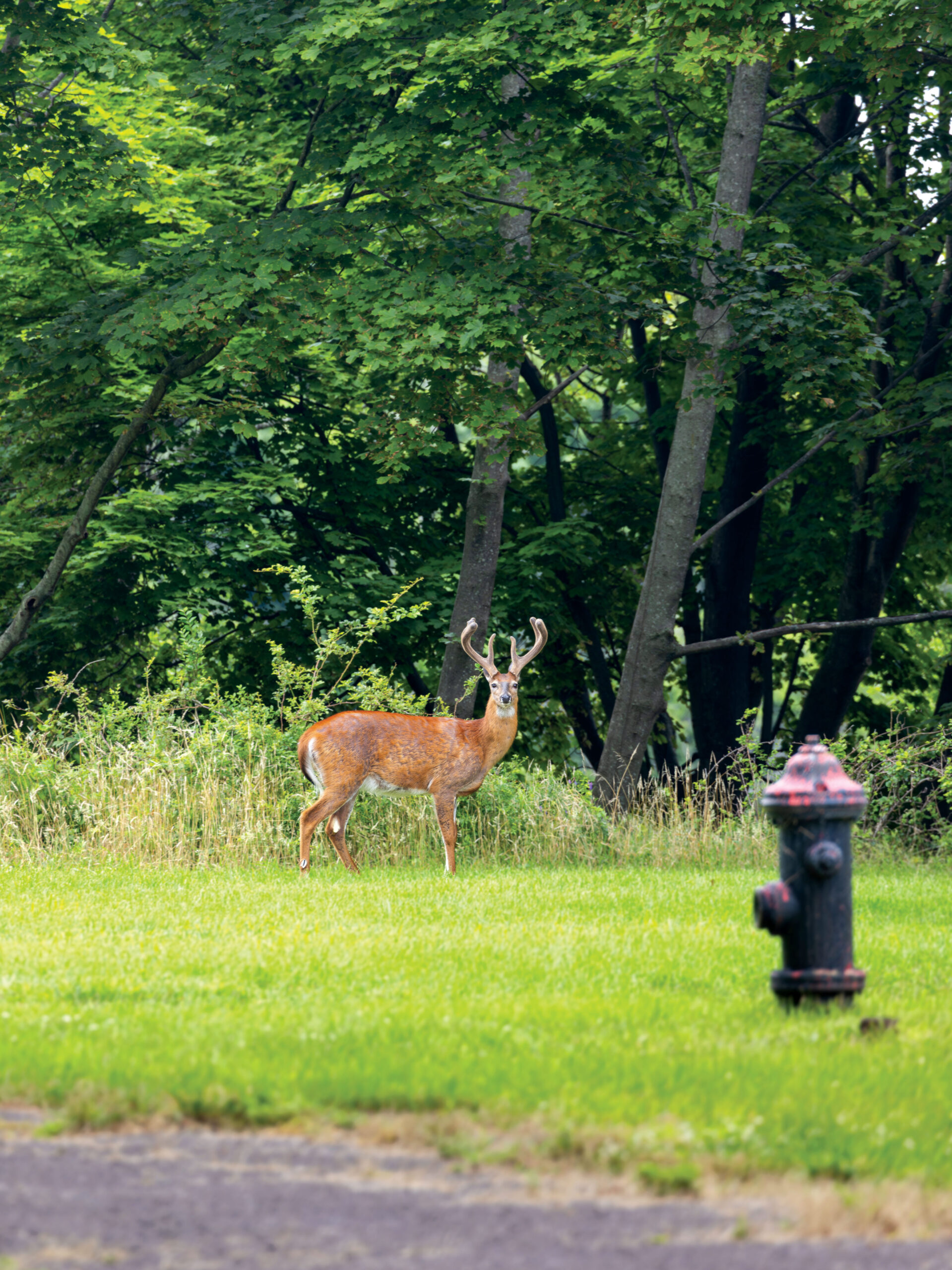
The human and the wild overlap on the Boston Harbor Islands, lending the landscape a tended-untended almost feral feel.
There are also raccoons, coyotes, and white-tailed deer, hundreds of species of birds, mussels, lobsters, clams, crabs, and snails. Aspen, sassafras, sumac, cottonwood, red oak, and a variety of shrubs and bushes all grow. And despite the national and state park designation, despite sites listed on the National Register of Historic Places, despite the trails and hydrants, there’s a feral energy to the islands, a wildness, a tangled, untended feel.
It all captured Nutting’s imagination, and he set himself the goal of visiting all the islands and documenting what was there. A forager and conservationist (as well as a photographer), he’s paid particular attention to the berry bushes, the sumac (you can make a lemonade-like drink with it), and the fruit trees.
We spoke to Nutting about his encounters with a “beautiful, majestic, hefty” pear tree, and some unique varietals of apple tree that Nutting himself got to name. What follows is an edited version of what Nutting had to say about his relationship to the islands and their fruit trees.
Charlie Nutting: As I learned more about where I lived, I saw the Harbor Islands as deeply underappreciated. They’re like mini worlds, each one.
Some of them you can walk to at low tide. Some of them you can kayak to pretty easily. Some you can drive to because they’re connected now. Six or seven years ago I started what I jokingly called the Boston Harbor Island Project, which involved me just trying to visit every single one. And it just snowballed. I love them. I just love visiting them anytime of year.
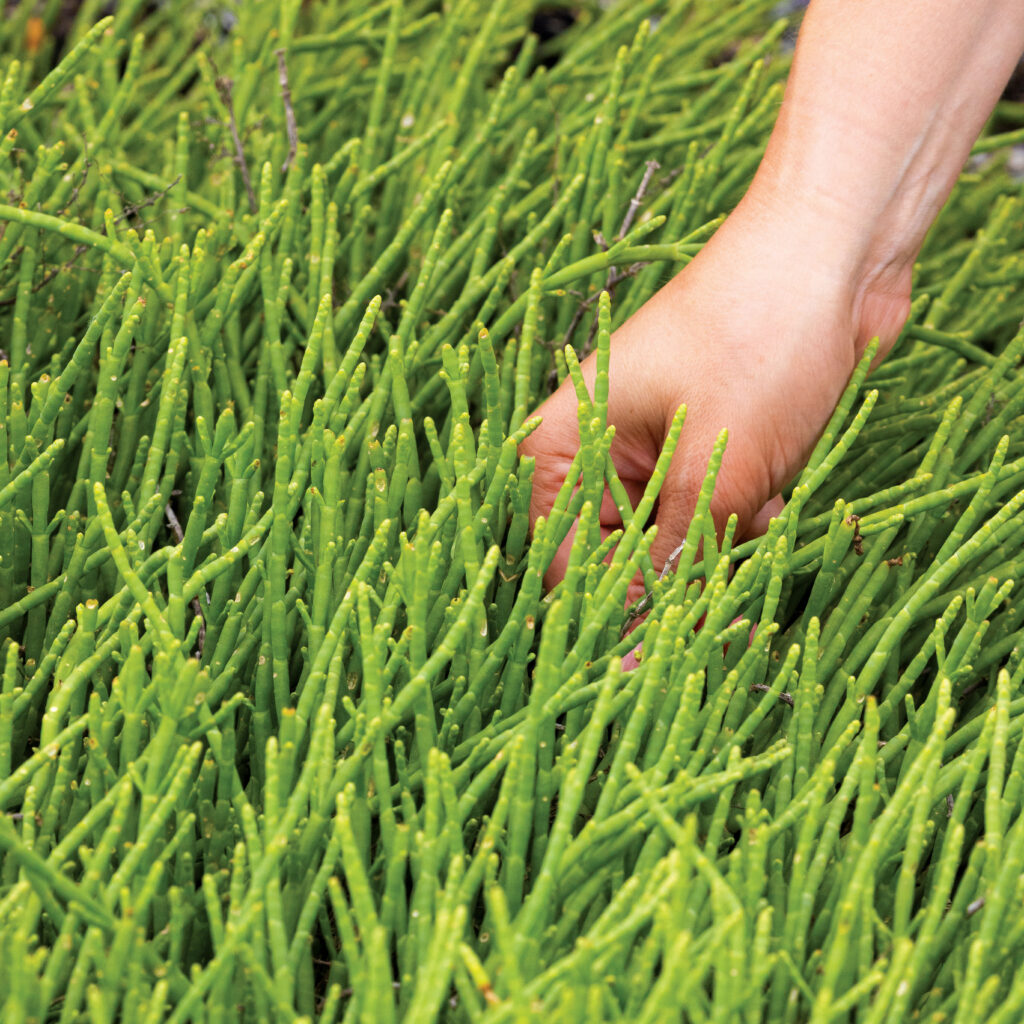
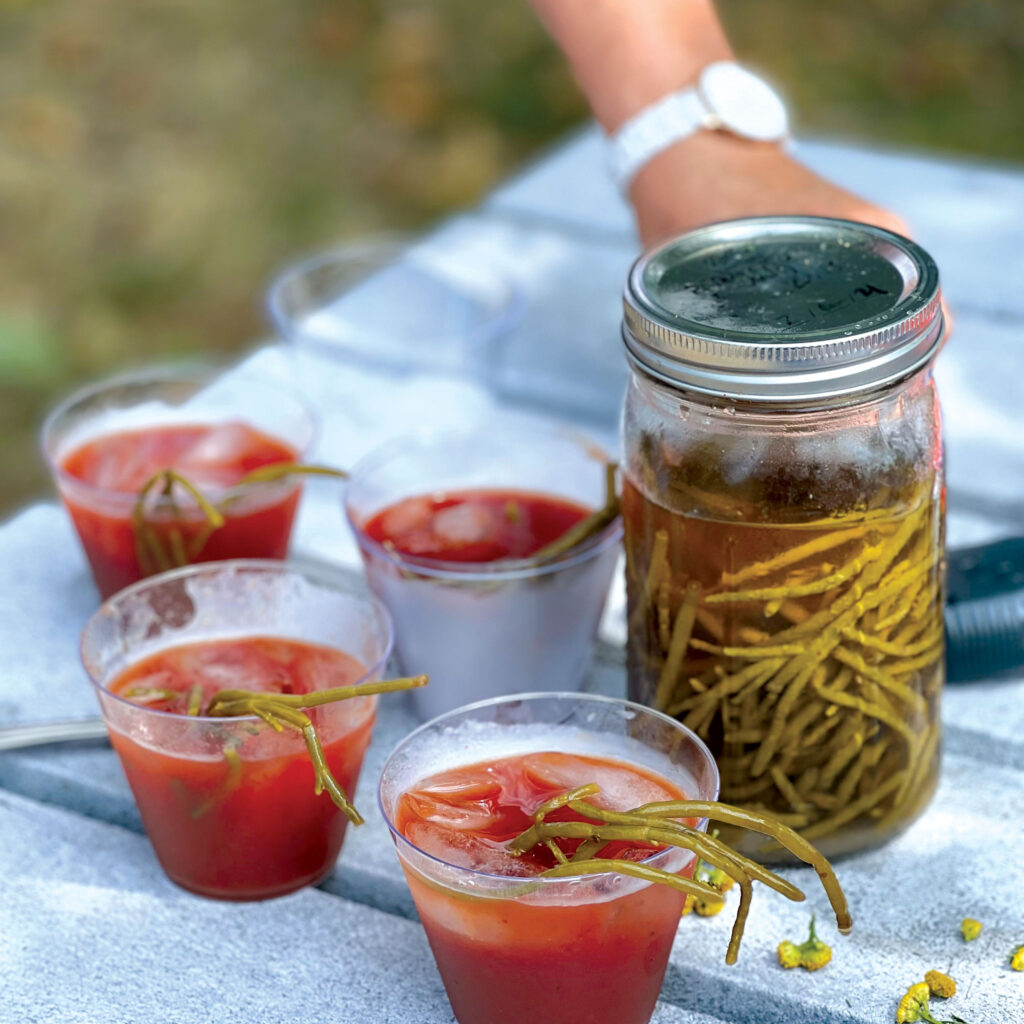
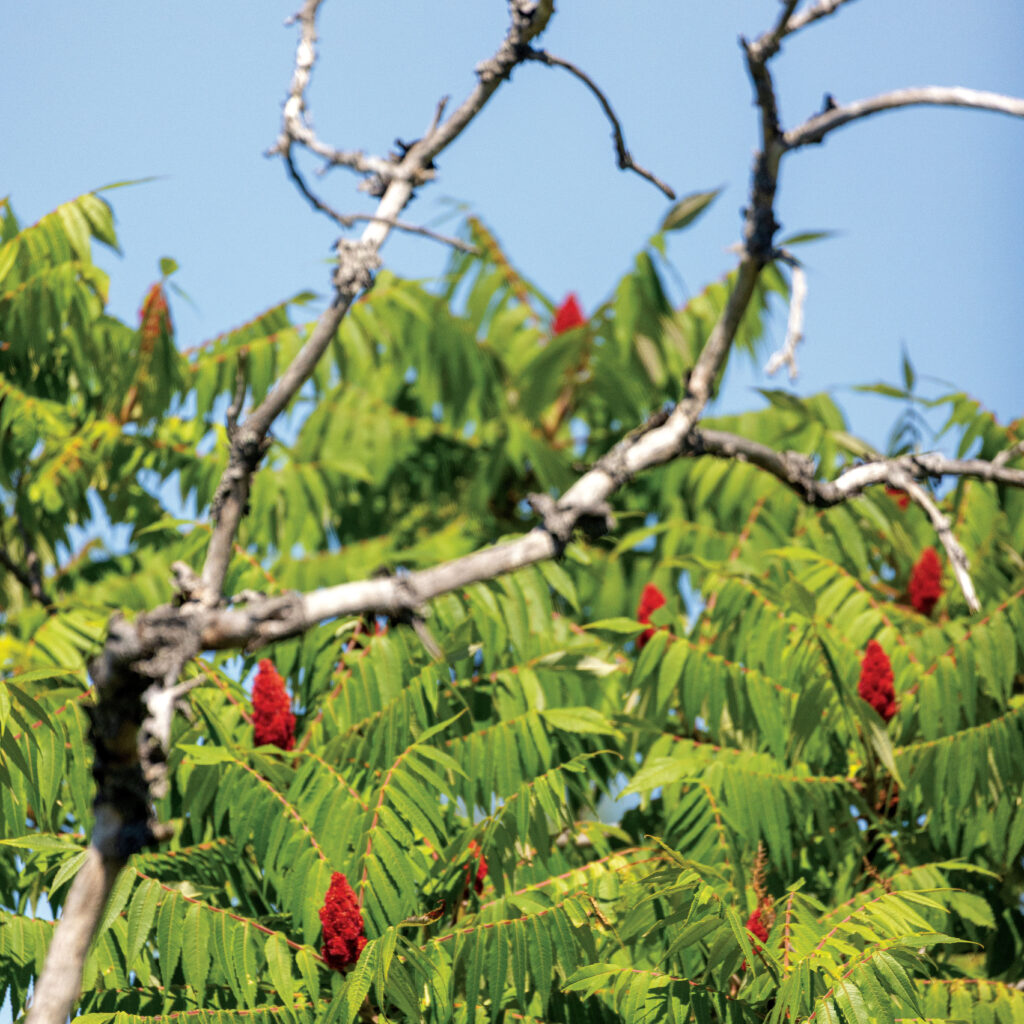
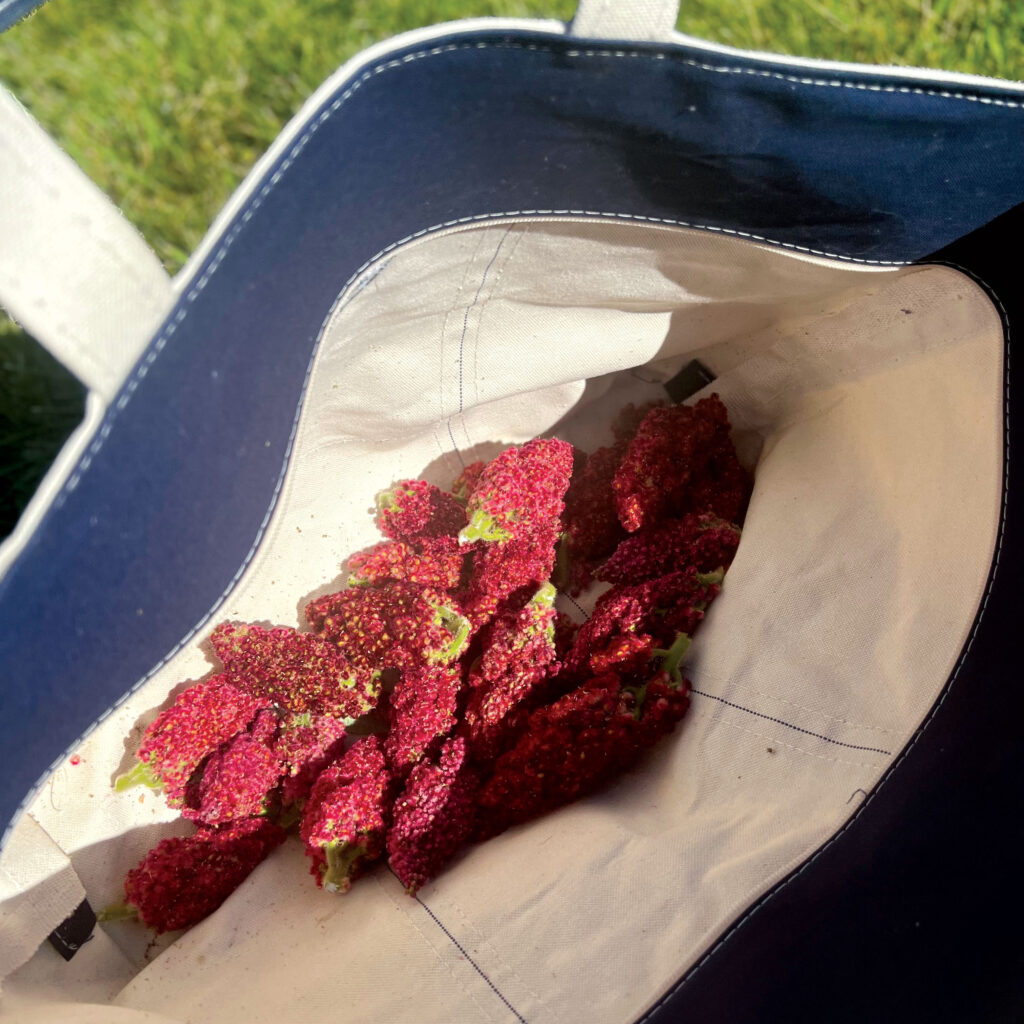
Nutting forages around the islands. Sea beans (Salicornia maritima) get picked then pickled (a good garnish for a Bloody Mary), and sumac will get made into a lemonade-like drink.
One of the things that captured me about the islands was the possibility of foraging. I’ve enjoyed getting closer to my food. When I first moved here, I got into spearfishing and lobster diving. Talk about a leap from my Ohio life! But you can’t eat only seafood. You need some plants as well. First I learned, oh, there’s blackberries out there. So I’d pick blackberries. And then I saw the staghorn sumac, and I’d thought sumac was poisonous, but oh, there’s different types. And oh, you can steep this kind in water and add sugar and it tastes like an incredible lemonade. And then I found some fruit trees.
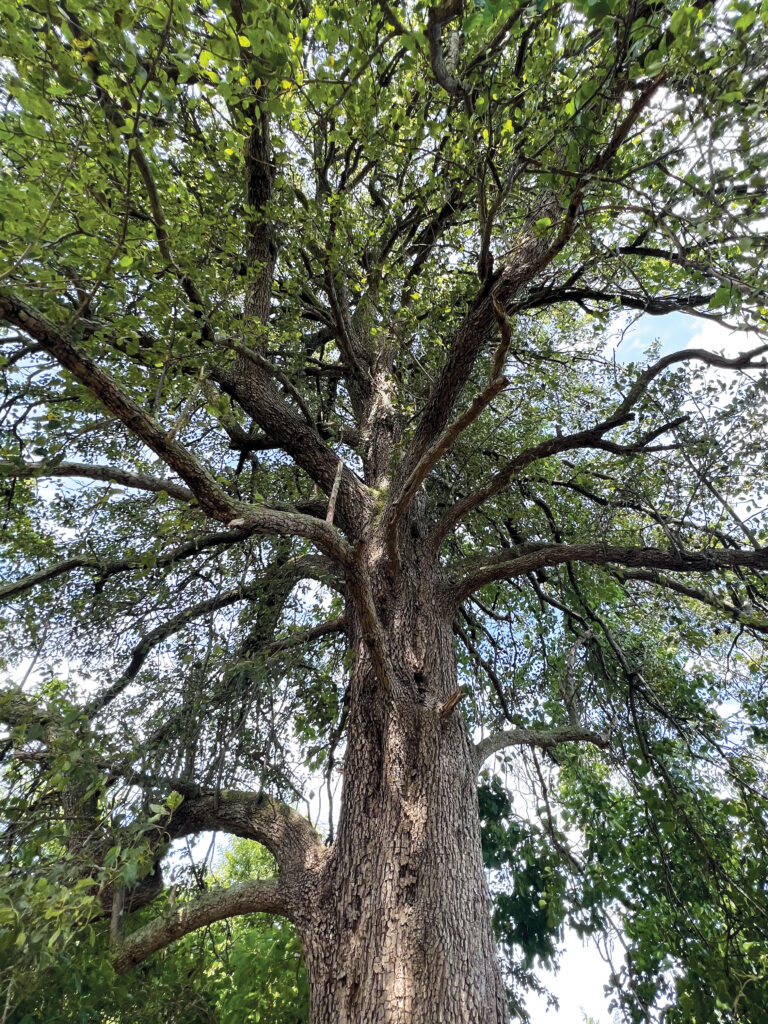
Nutting came across a massive pear tree and returned to it season after season to witness the variability of its fruit. “It’s just a beautiful, majestic, hefty tree.”
I found this massive pear tree, and it looked—I’m no tree expert, but to me, it reminded me of a mature oak, for how big the diameter of the trunk was. It’s just a beautiful, majestic, hefty tree. The first time I was there, there was fruit. Otherwise I wouldn’t have known it was a pear tree at all. I went back the next year around the same time, figuring there’d be fruit on the tree. There was nothing. I asked the two people I knew that know more about trees than I do, “did I seriously find this massive billion year old pear tree on the last year of its life? Is my luck that bad?” And that’s when I learned that “unmanaged” fruit trees in extreme environments, like the Boston Harbor Islands, are more likely to have gap years for fruiting and not fruiting. There’s more variability. That was reassuring. A year or two later, there were fruits again. But they were tiny!
I’ve read enough about the industrialization of everything from tomatoes to strawberries to know how we’ve stripped all the flavor out in pursuit of consistency of size and shelf stability. So to experience and discover and appreciate what comes from this pear tree, or the apple trees, it gave me my first real-world experience of going with the flow of what nature gives you. There’s going to be inconsistencies. There’s going to be off years. The variability is wild. One year, the apples weren’t even round.
They were the ugliest, most grotesque things you could think of. And another year, they looked like a Trader Joe’s supermarket apple. Another year, they looked like jumbo crab apples. And this is from the same tree.
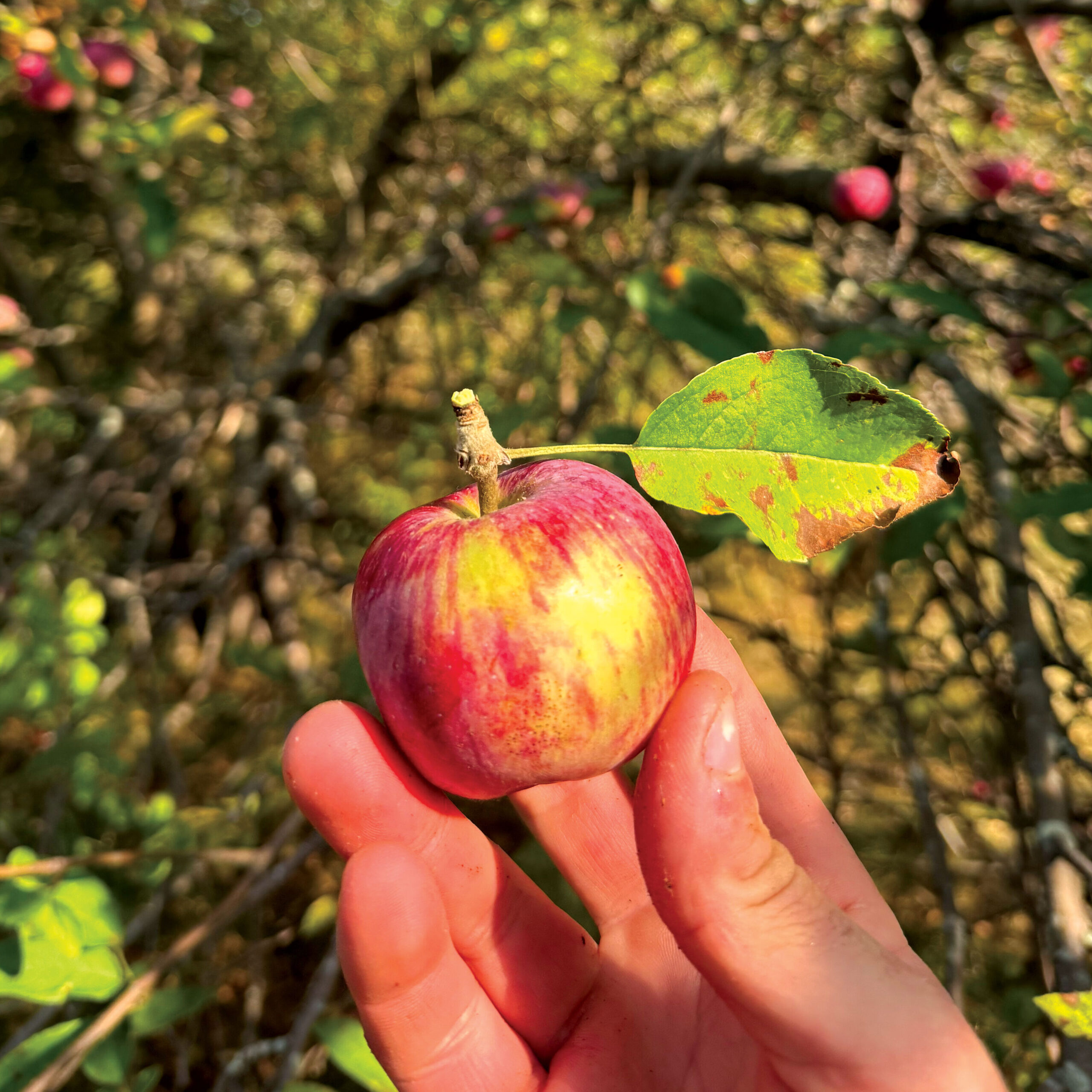
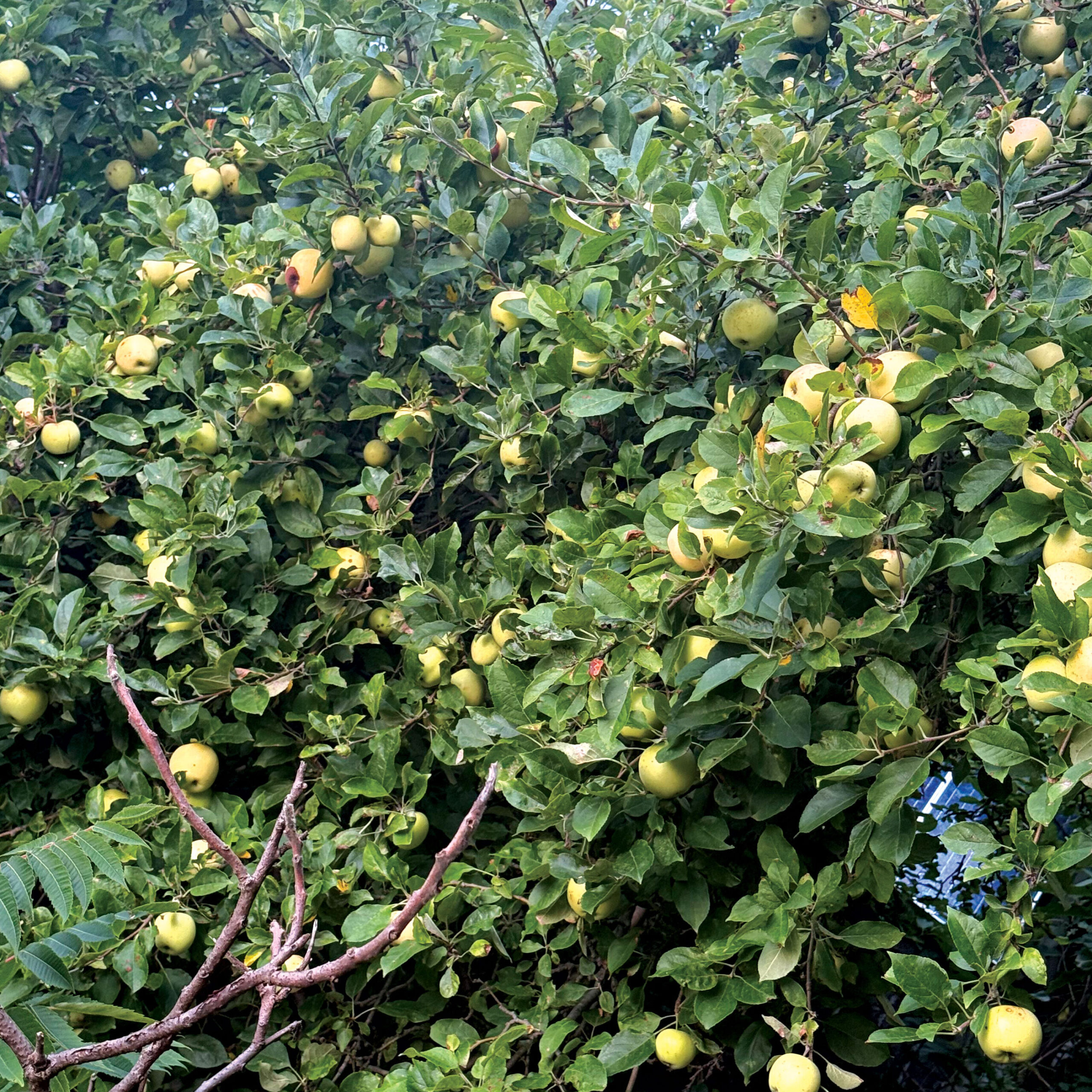
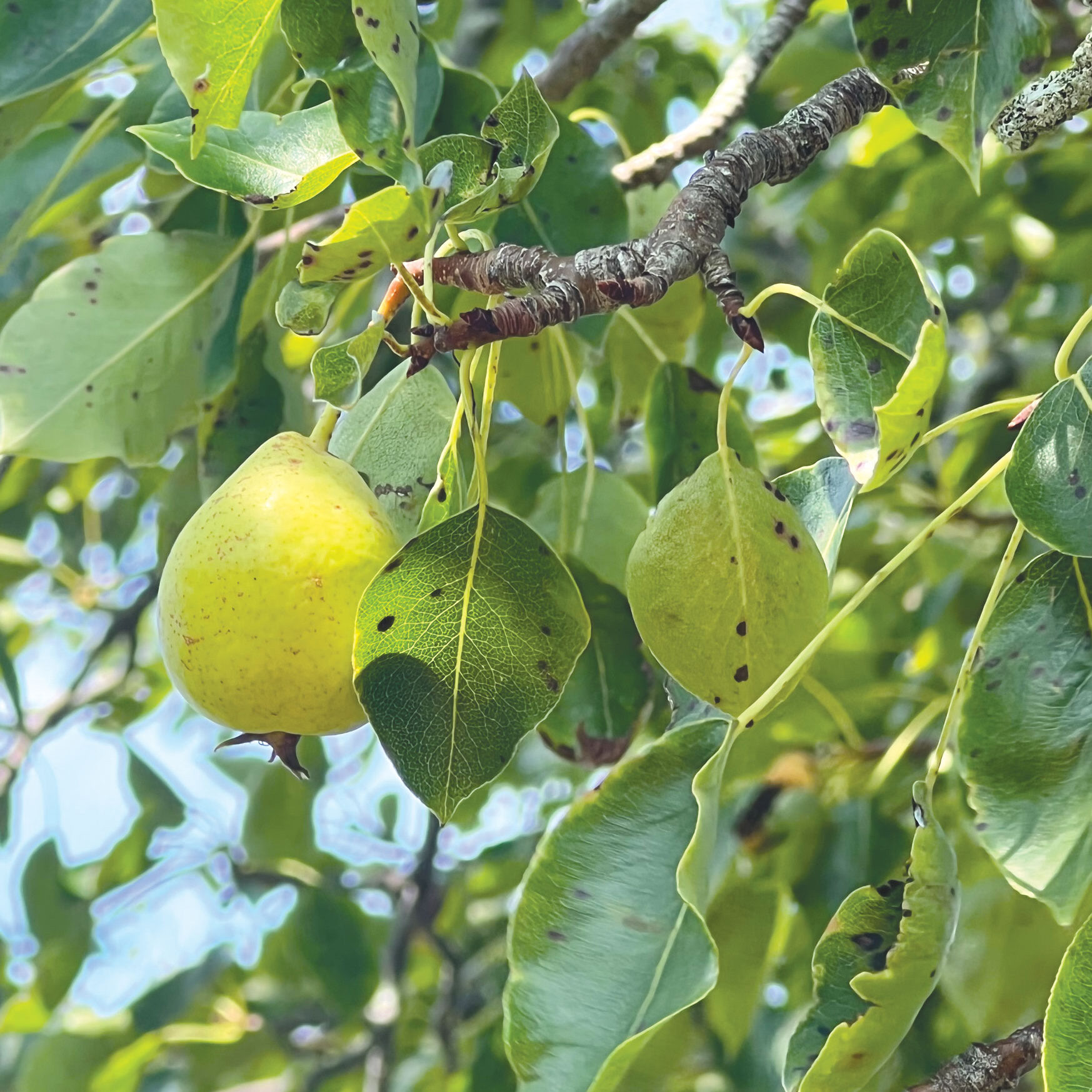
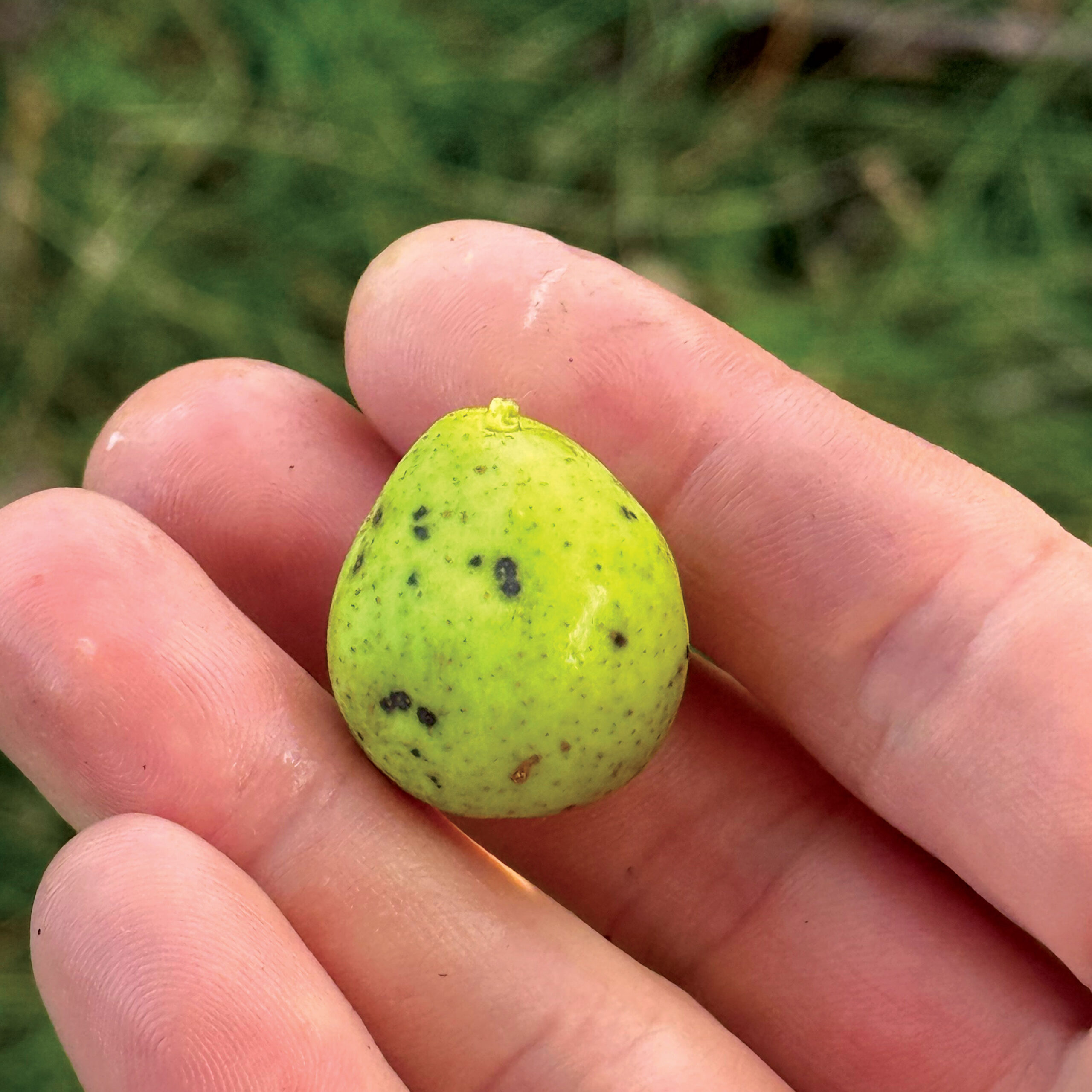
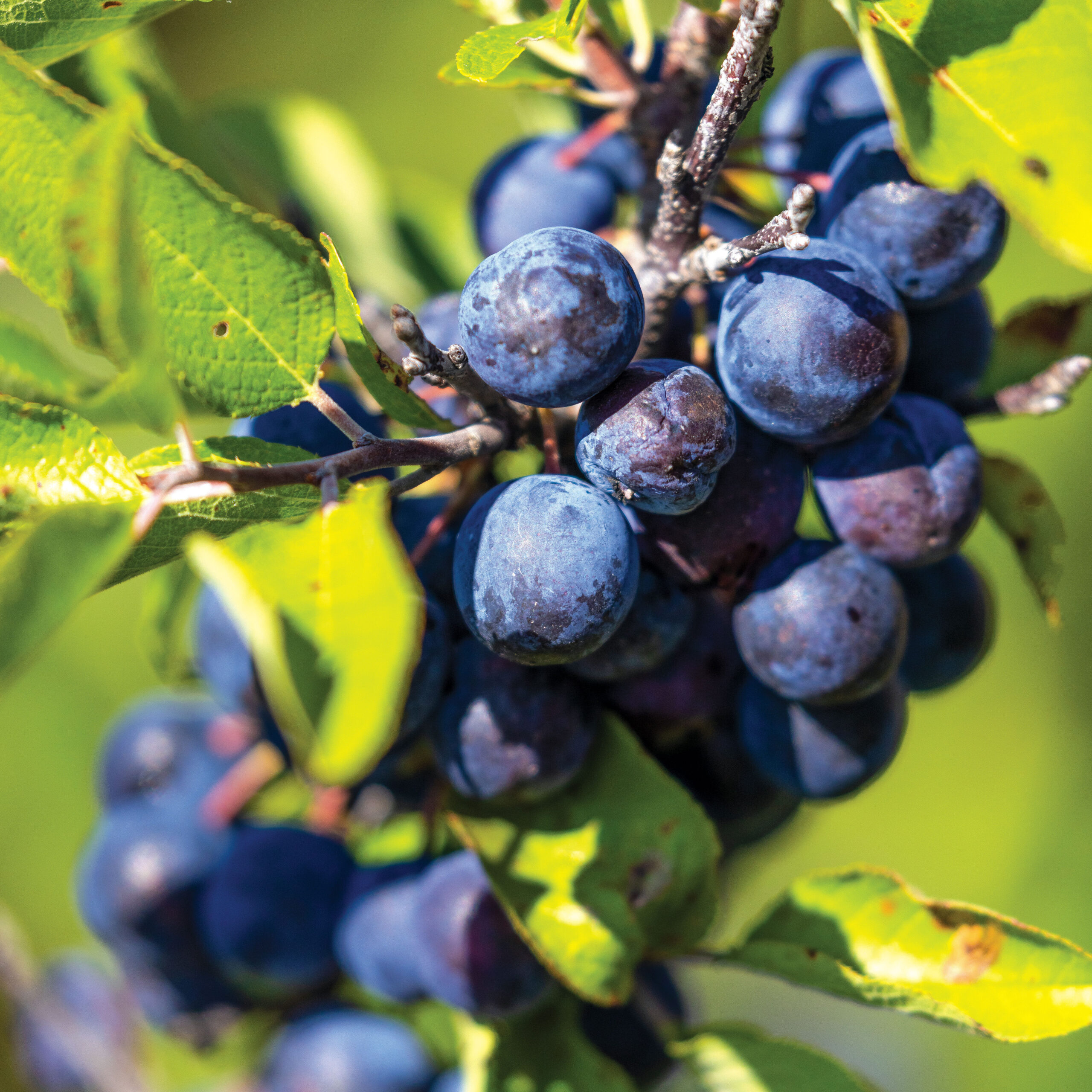
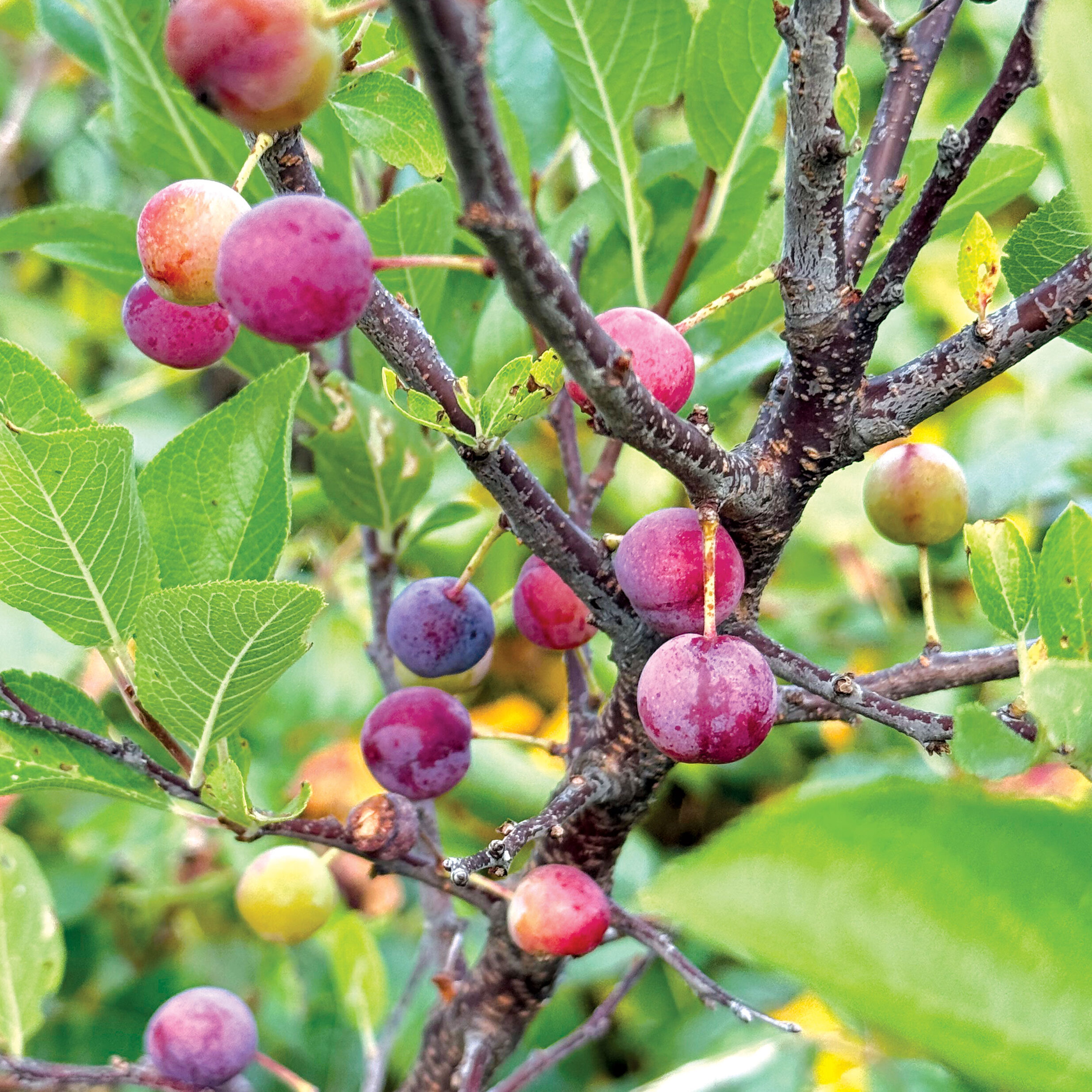
Pebble-size pears, billiard ball-size apples, beach plums small as hazelnuts. Some years, bigger, some years, smaller, and some years none at all. There’s an abundance of fruit on the islands, and they’re wildly inconsistent.
Top left: Malus domestica, unknown varietal. Middle right: Pyrus communis, possibly ‘Dearborn Seedling’. Bottom left: Prunus maritima.
I made an Instagram post about the apples, and a friend of mine said they might be extinct varietals. I posed the question, the algorithm did its job, and heard from pomologist Matt Kaminsky who said, “we should get these tested.” So I followed his instructions and got some leaves from the trees because he said leaves are better than fruit, bark, or wood. We put three samples in test tubes and sent them to Washington State (the Tree Fruit Extension program at WSU). One came back inconclusive and two came back as unique, so I got to name two of the apples.
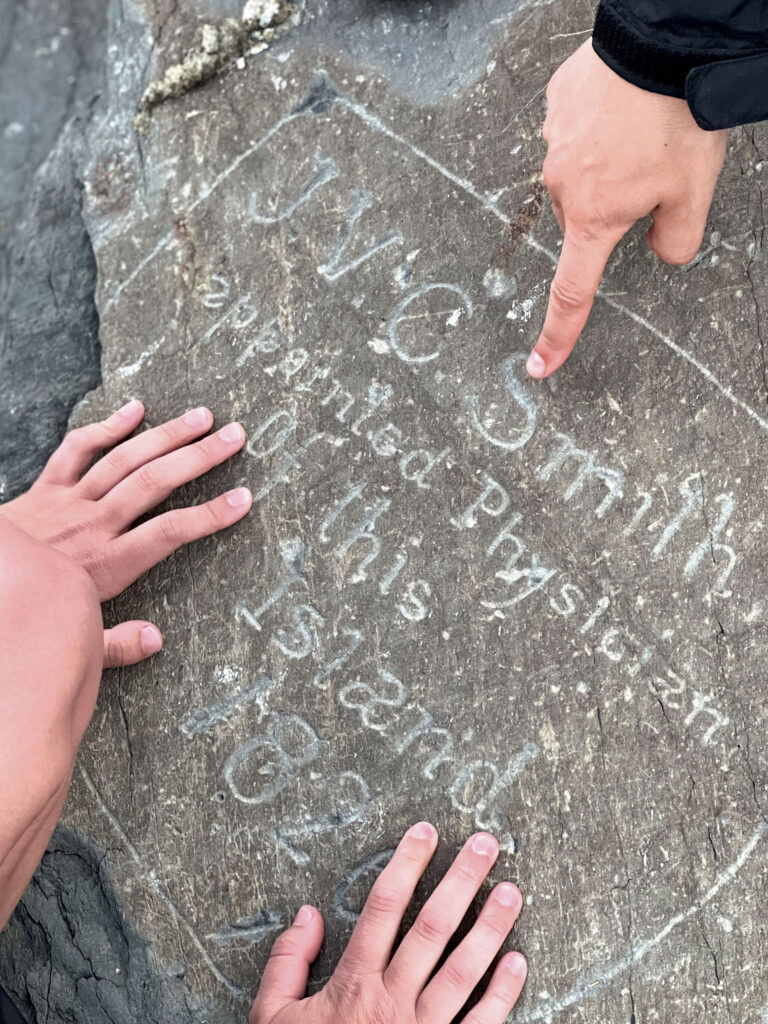
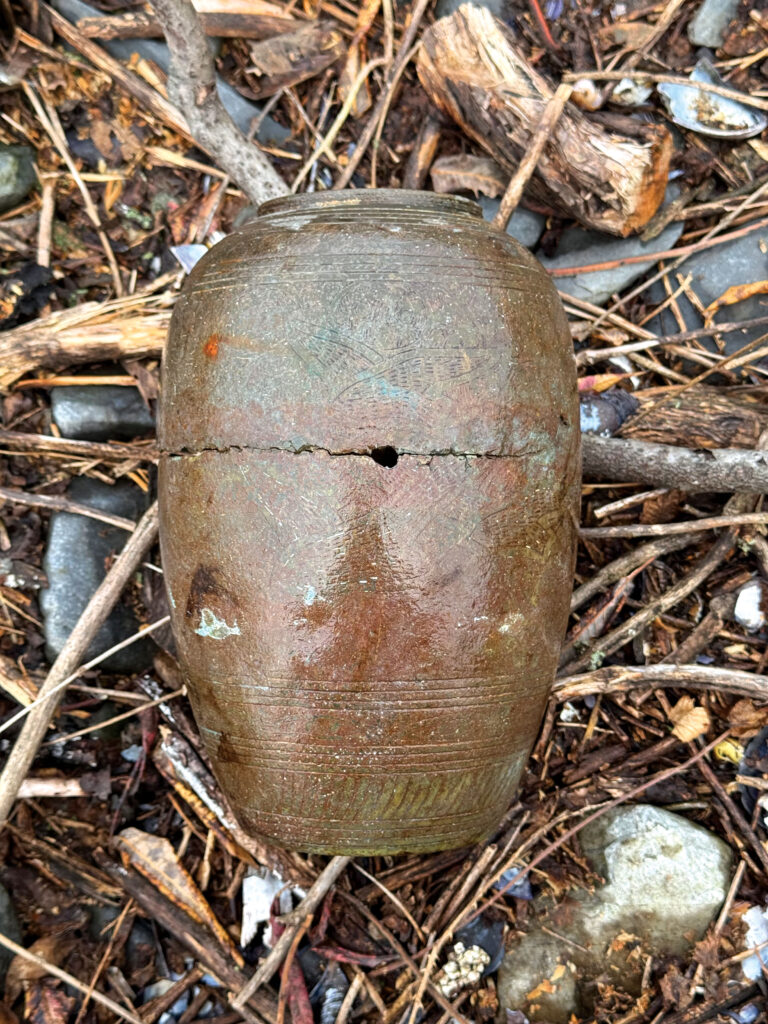
A cracked vessel and a stone noting Jerome V. C. Smith’s appointment as the quarantine physician for the
Port of Boston from 1826–1848 reveal the long human press on the place.
I wanted to give a nod to the fact that while we have our own layer cake of history on these islands from a post-contact settler standpoint, the reality is there has been human presence here for thousands of years. I had spoken with a Wampanoag man who grew up on the reservation on the Vineyard, and I asked him, “do you have any thoughts of what might be a good name for this?” And he landed on Meechim. He said it was the closest equivalent to the word apple.
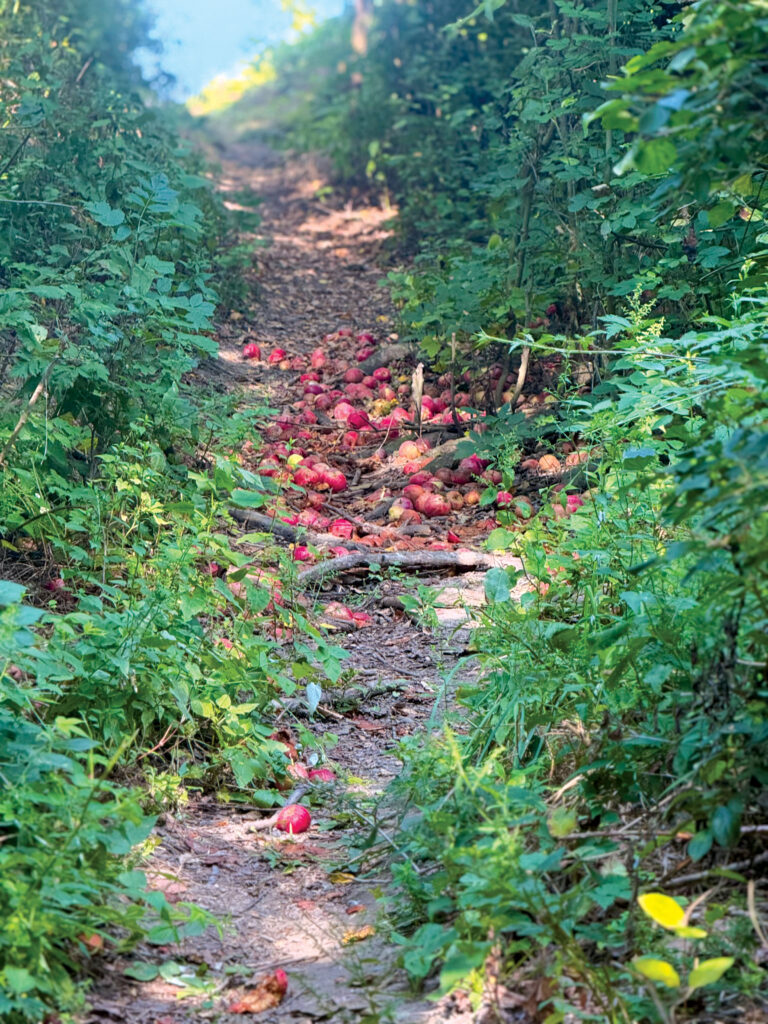
An apple-studded path shows the intertwine of untended natural forces and the human presence on the scene. The Harbor Islands aren’t secret, but Nutting captures some of the secrets—and beauty and bounty—they hold.
The other one I named the Nutting McDevitt—in part for the vanity of the discoverer, and in part because McDevitt is the name of a late friend of mine, a woman who lived her entire life out on the Harbor Islands. She was incredible. And we shared an appreciation for the Harbor Islands. I ate venison in her cottage out there in the dead of winter. I thought, that woman, that friend of mine, she’s very hardy, and very sweet. And this apple was the same thing. It’s tough as nails if it can live and thrive out there, but it’s pretty sweet as well.
Charlie Nutting is a guide, conservationist, and photographer. Find his photographs on Instagram (@charlielikeswater) and at charlienutting.com.