Main heading
The Jabez Lewis–Dawson House: A Landmark of Horticultural History
Nestled within the Arnold Arboretum of Harvard University and adjacent to the landscape of the Dana Greenhouses and Nursery, the Jabez Lewis–Dawson House stands as a remarkable piece of Boston’s cultural and horticultural heritage, and a rare surviving example of early 19th-century New England farmhouse architecture. Built in 1822 by Jabez and Lucretia Lewis, its simple Federal-style design—characterized by symmetrical proportions, wood clapboard siding, and a gabled roof—reflects the practical elegance of rural Massachusetts during that era. The farmhouse became deeply intertwined with the Arboretum’s story when Jackson Dawson, the institution’s pioneering propagator, made it his home and workplace. Dawson’s efforts in plant cultivation helped shape the foundation of the Arboretum’s mission, making the house a living witness to the institution’s earliest experiments and successes in woody plant cultivation and introduction.
A Hub for Botanical Research
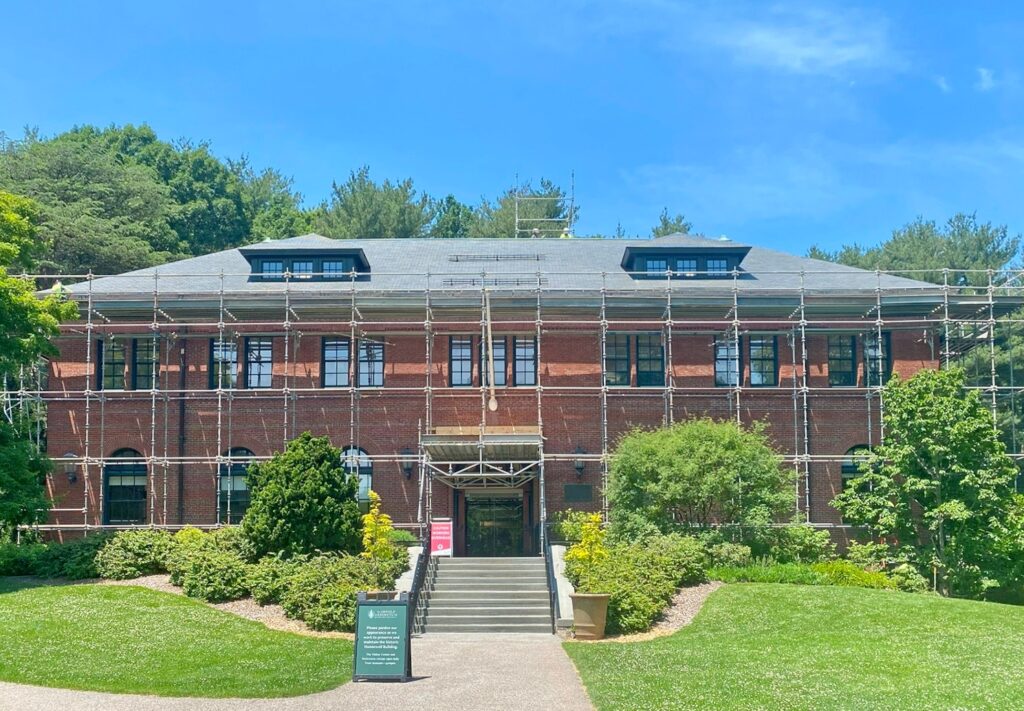
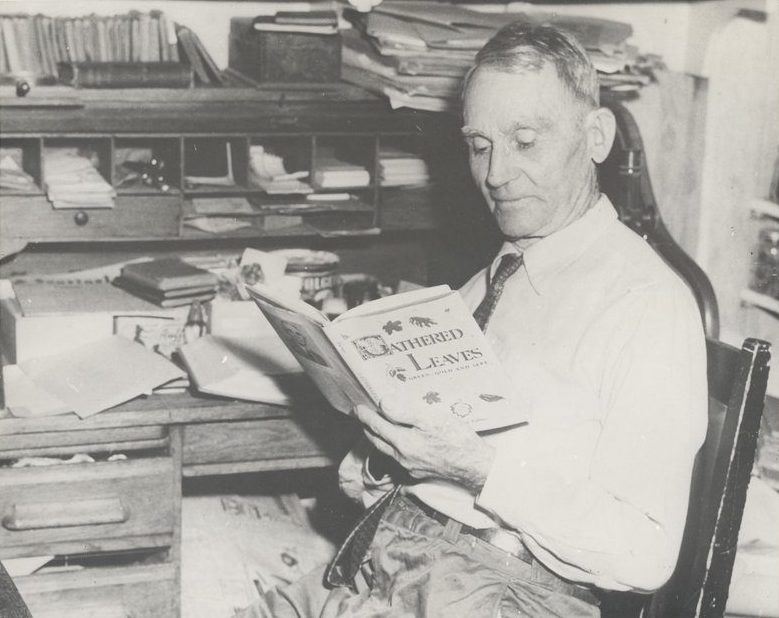
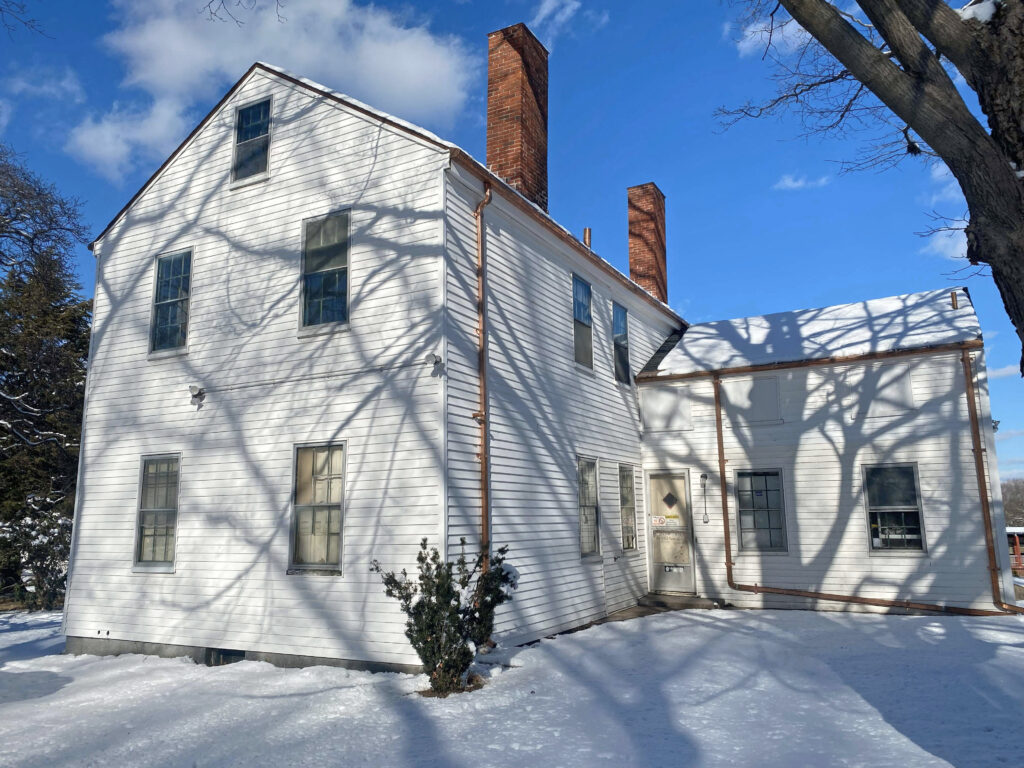
The significance of the house grew in the mid-twentieth century when Ernest Jesse Palmer, a renowned botanist and plant collector, lived there with his family from 1931 to 1948. Palmer conducted groundbreaking research on North American plants—especially hawthorns and oaks—while his family life and hands-on repairs added another chapter to the building’s story. Today, preservation experts recognize the house as an “extraordinary landmark of American horticultural history.” The house was last occupied in 1993 when it served as temporary office space during the renovation of the Hunnewell Building. Since that time, it has been used by the Arboretum for seasonal storage.
Preserving the Past – Phase 1
The Arboretum is committed to safeguarding this historic structure, funding the launch of a comprehensive program of critical capital repairs. Phase 1 restoration work includes:
- Roof and Gutter Replacement: Repairing and re-enforcing damaged roof framing; installation of roof sheathing, full ice-and-water shielding, asphalt shingles, flashing, fascia boards; installation of custom copper gutters and downspouts that replicate period-appropriate details.
- Masonry and Woodwork Restoration: Extensive repairs to stabilize and protect the chimneys and front door millwork.
- Structural assessment to guide future work
Preserving the Past – Phase 2
Phase 2 restoration work, planned for 2027, will include partnering with a local architectural firm specializing in historic restoration to assess existing siding, windows, and trim, and design a restoration plan for those building elements. Potential landscape improvements include rebuilding the stone wall along Centre Street, adding a fence, and evaluating the surrounding plantings for additions and removals. A new landscape design will support tree and shrub evaluation, incorporating both current Arnold Selects and potential candidates for future trials.
These efforts represent a significant investment to ensure the house remains a vital part of the Arboretum’s historic landscape and a tangible link to Boston’s horticultural and architectural heritage. The Office of Historical Preservation through the Boston Landmarks Commission highlighted this project in reporting on the progress of 849 projects reviewed by the Boston Landmarks Commission in 2025.
Navigation Header
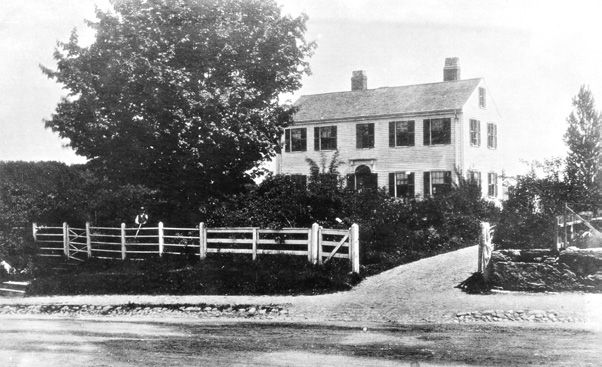
from the early 1900s. Archives of the Arnold Arboretum. Arnold Arboretum Archives

Related Stories