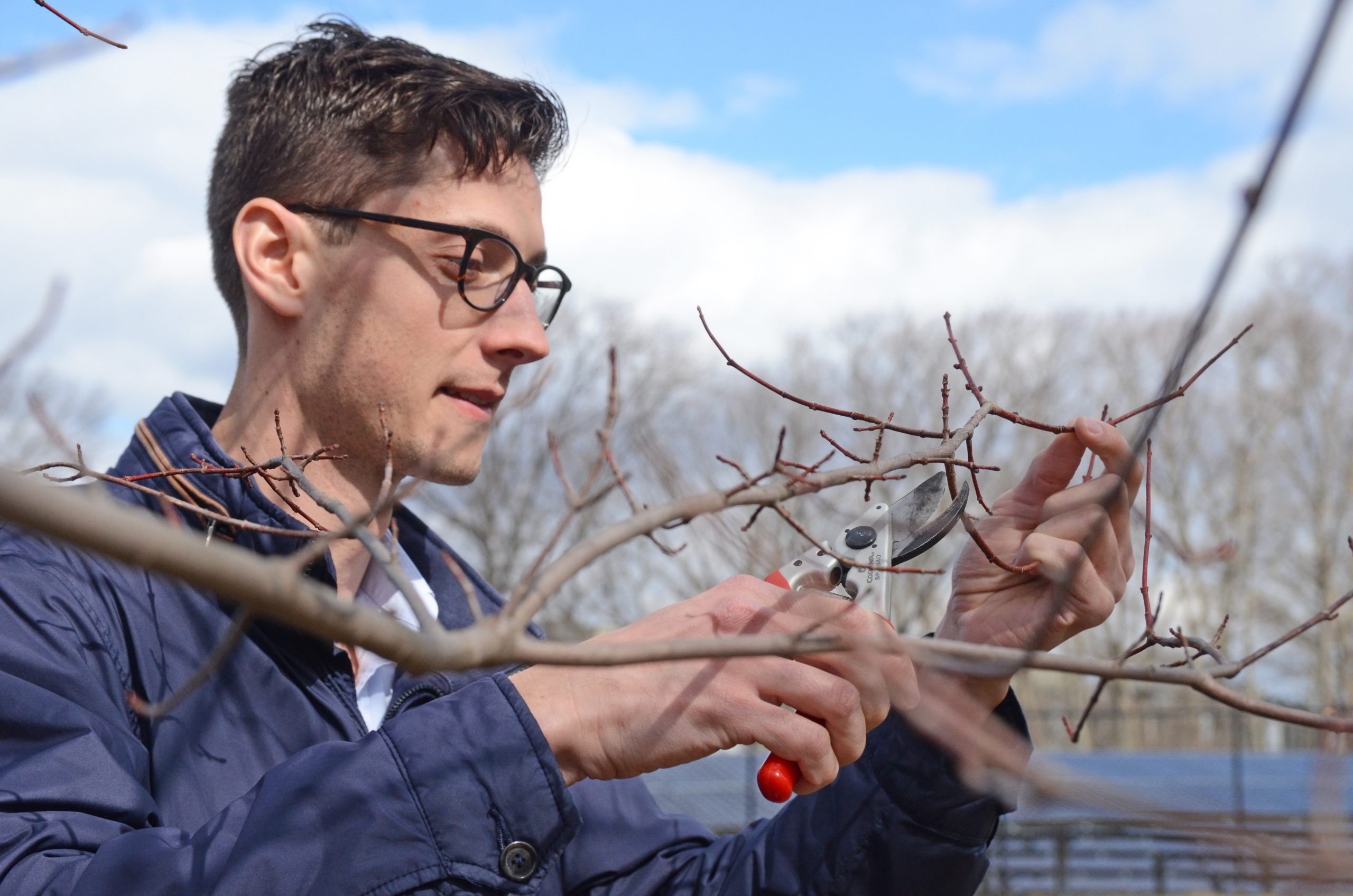
In addition to staff scientists, the Arnold Arboretum and its rich resources are utilized by an extensive network of researchers. With more than 15,000 well-documented, living plant specimens representing almost 2,100 species, the living collection is ideal for comparative studies of morphology, phylogenetics, physiology, development, ecology, and biodiversity, among other disciplines. In addition to plants, scientists may study other inhabitants of the Arnold Arboretum’s ecosystem including insect, amphibian, and bird communities. Selected projects highlighting the diversity of research at the Arboretum are shown below.
Learn more about requesting research access to the Arboretum living collections, research facilities, or library and archives.
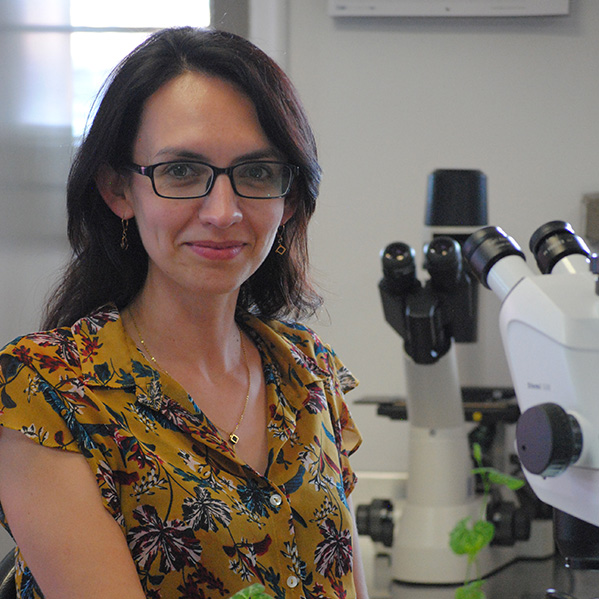
Project 5-2019: Natalia Pabón-Mora is an Associate Professor, University of Antioquia in Colombia and Jewett Prize recipient. She is interested in understanding the evolution of flower and fruit development and the morphological changes driving diversification of flowering plants. At the Arboretum, she will focus on fruit diversity by comparing morphological and anatomical features and transcriptomic data of members of the Rubiaceae with distinct fruit types.
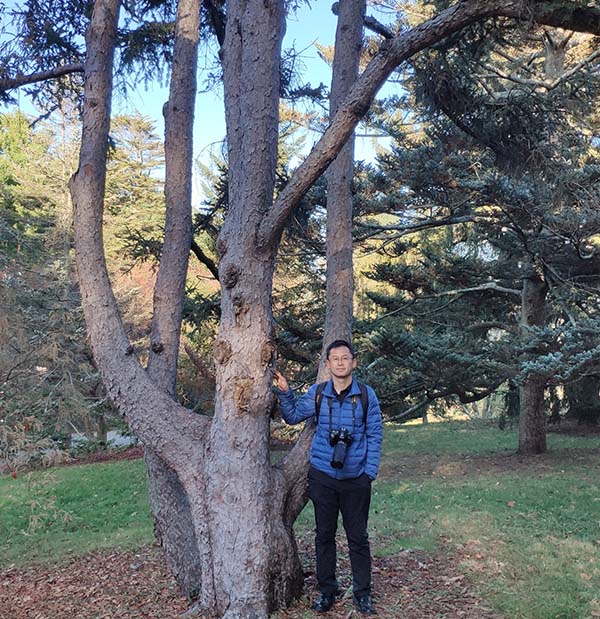
Project 40-2019: Yong Yang is a scientist at the herbarium of the Chinese Academy of Sciences in China. He is working to clarify the taxonomy of Picea species from western Sichuan of China including Picea montigena, a critically endangered species. Using known, identified species of P. montigena present at the Arboretum, he is developing a DNA barcoding approach to aid in identification of the species in the wild to aid in its conservation.

Project 18-2017: As part of a NSF-funded project, Kathryn Docherty, Kristina Lemmer and students from Western Michigan University are sampling bacterial communities present in the air. Samples are collected using helium-filled balloons at 150m and 30m above ground as seen in the picture. Bacterial communities will be collected and compared from both urban and rural areas throughout the United States including the Arboretum.
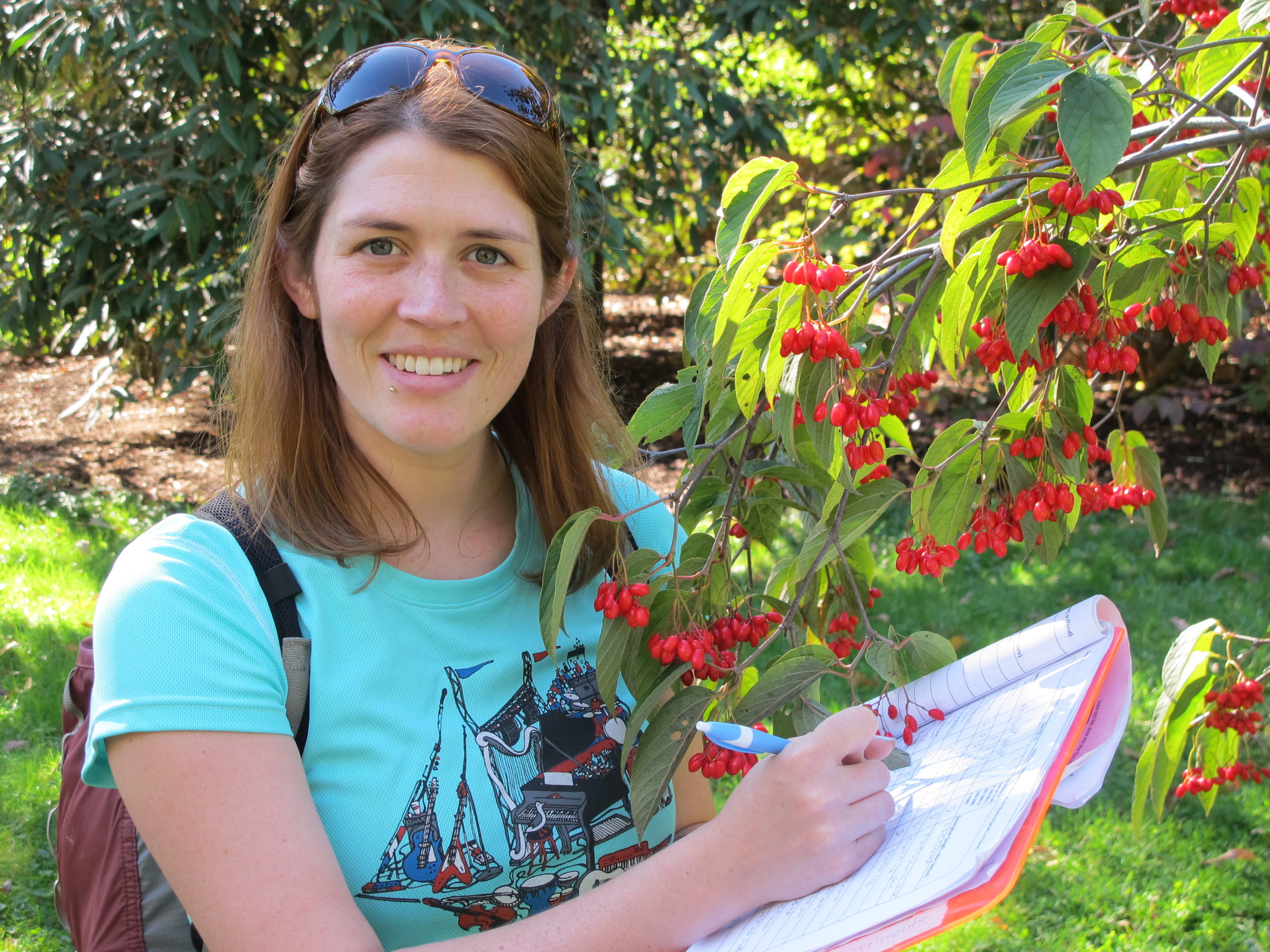
Project 29-2017: Since 2011 Richard Primack, Amanda Gallinat, and many Boston University students have been monitoring over 1600 tree, shrub and vine species at the Arnold Arboretum for timing of leaf out, leaf senescence, and fruit ripening, and comparing the results to botanical gardens in Beijing, Berlin, Munich, Ottawa, Chicago, and Washington, DC. This work is important for understanding tree ecology and how woody plants are responding to climate change.
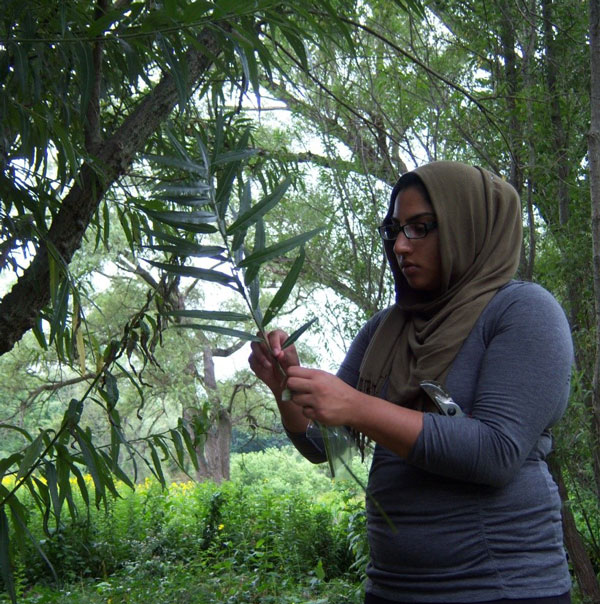
Project 8-2016: Chase Mason, Arnold Arboretum Putnam Fellow and undergraduate researcher Amna Jamshad are using a comparative metabolomics approach to examine variation in salicylates, flavonoids, and other phenolics in leaves and bark across a global cross-section of willows to document medicinally-relevant phytochemical diversity and evaluate the evolution of such diversity. Willow bark is the historical source of salicylic acid, one of the world’s oldest medicines. Surprisingly, the phytochemical diversity of wild willows has not been surveyed in a systematic way.
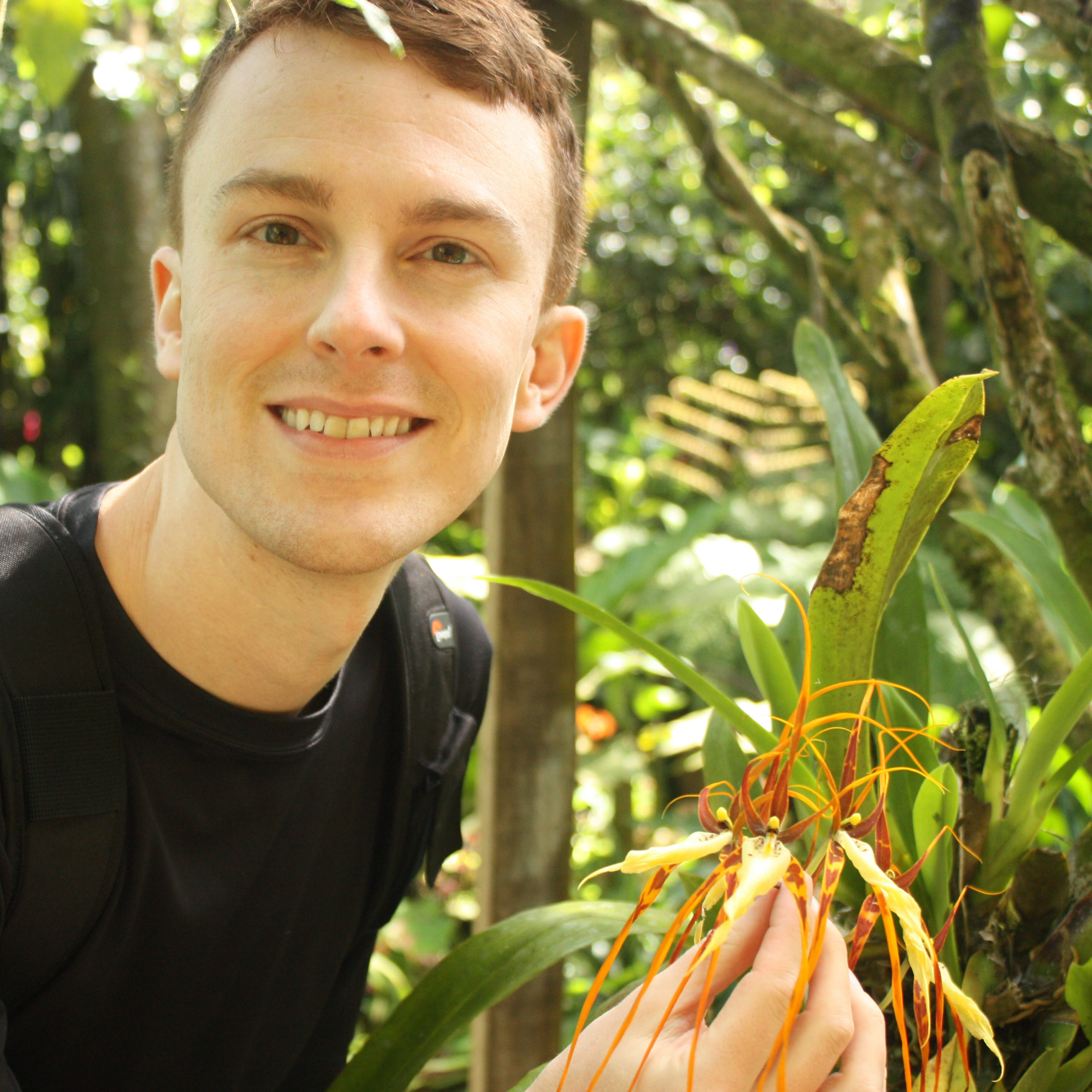
Project 31-2014: An archaeologist specializing in reconstructing environmental change in the ancient Mediterranean world, John Marston (Boston University) identifies carbonized wood fragments from archaeological sites to study forest succession, arboriculture, and deforestation. He uses wood specimens from the Arboretum as a comparative collection to help identify archaelogical wood charcle from the Mediterranean, Middle East, Europe, China, and North America.
Project 23-2012: Stan Hokanson and Steve McNamara from the University of Minnesota and the Horticulture Research Center at the Minnesota Landscape Arboretum are adding multiple taxa of Forsythia from the Arboretum’s collection to their field trials and laboratory experiments. Characters such as cold hardiness and floral traits will be evaluated for selection and incorporation into their breeding programs.